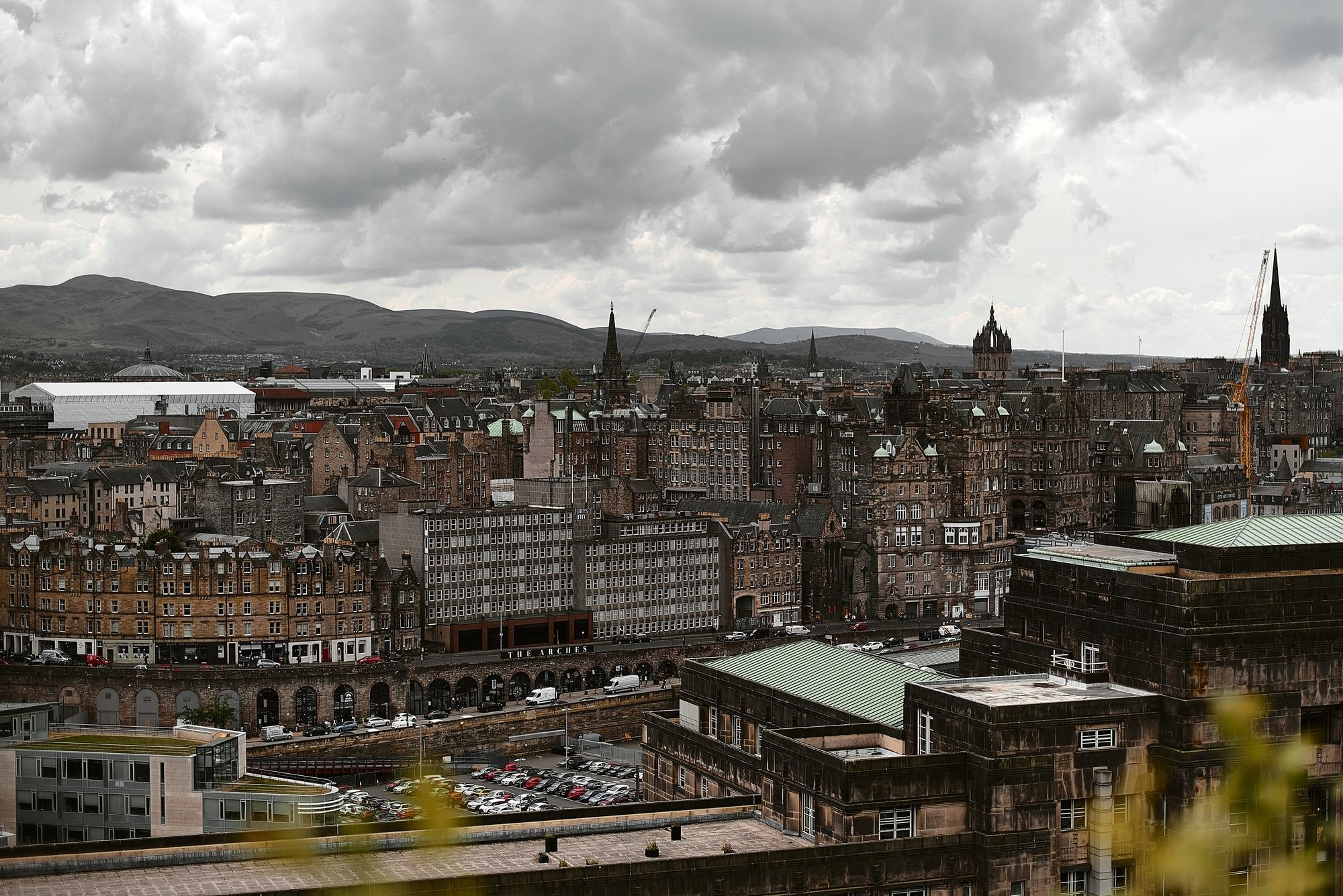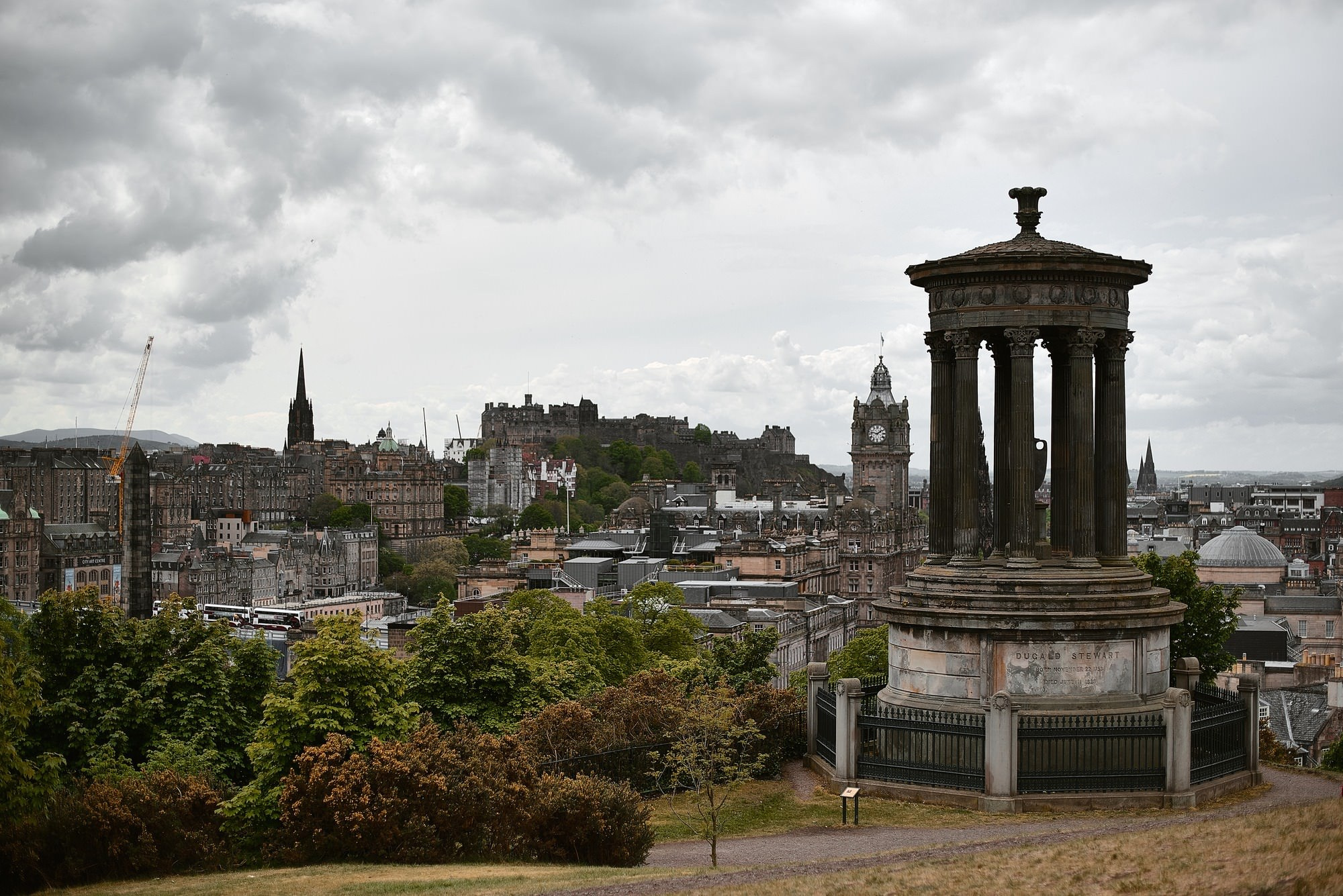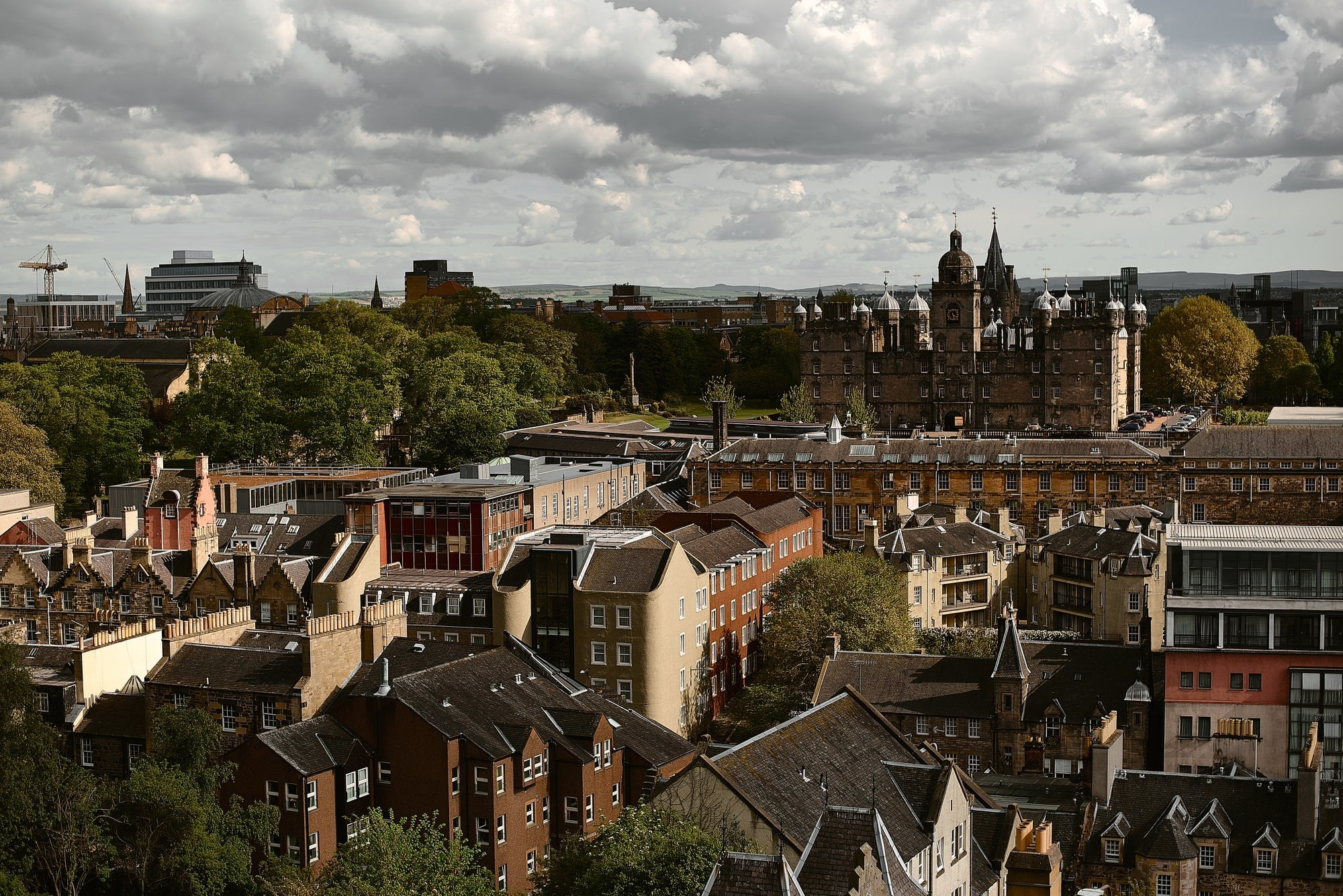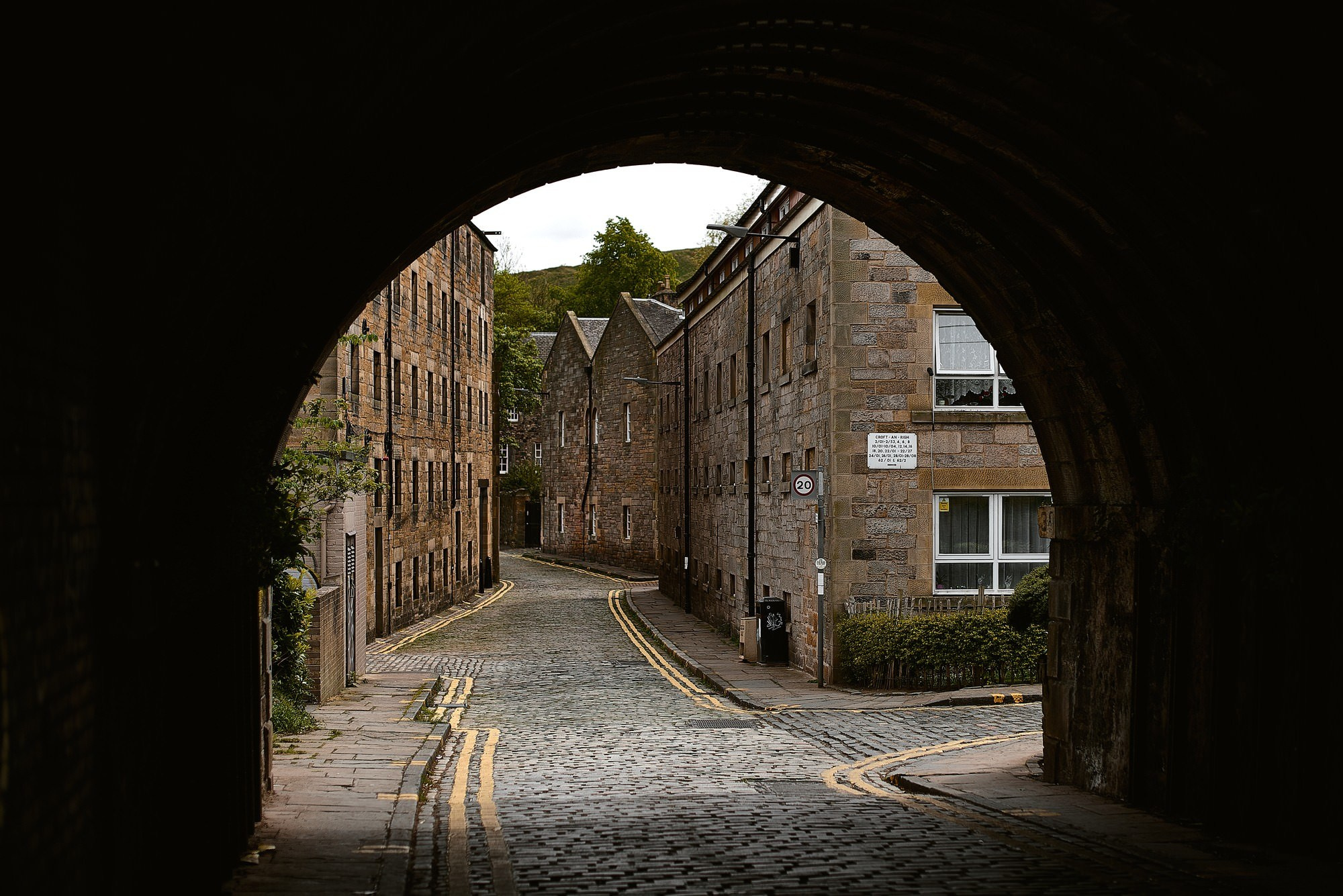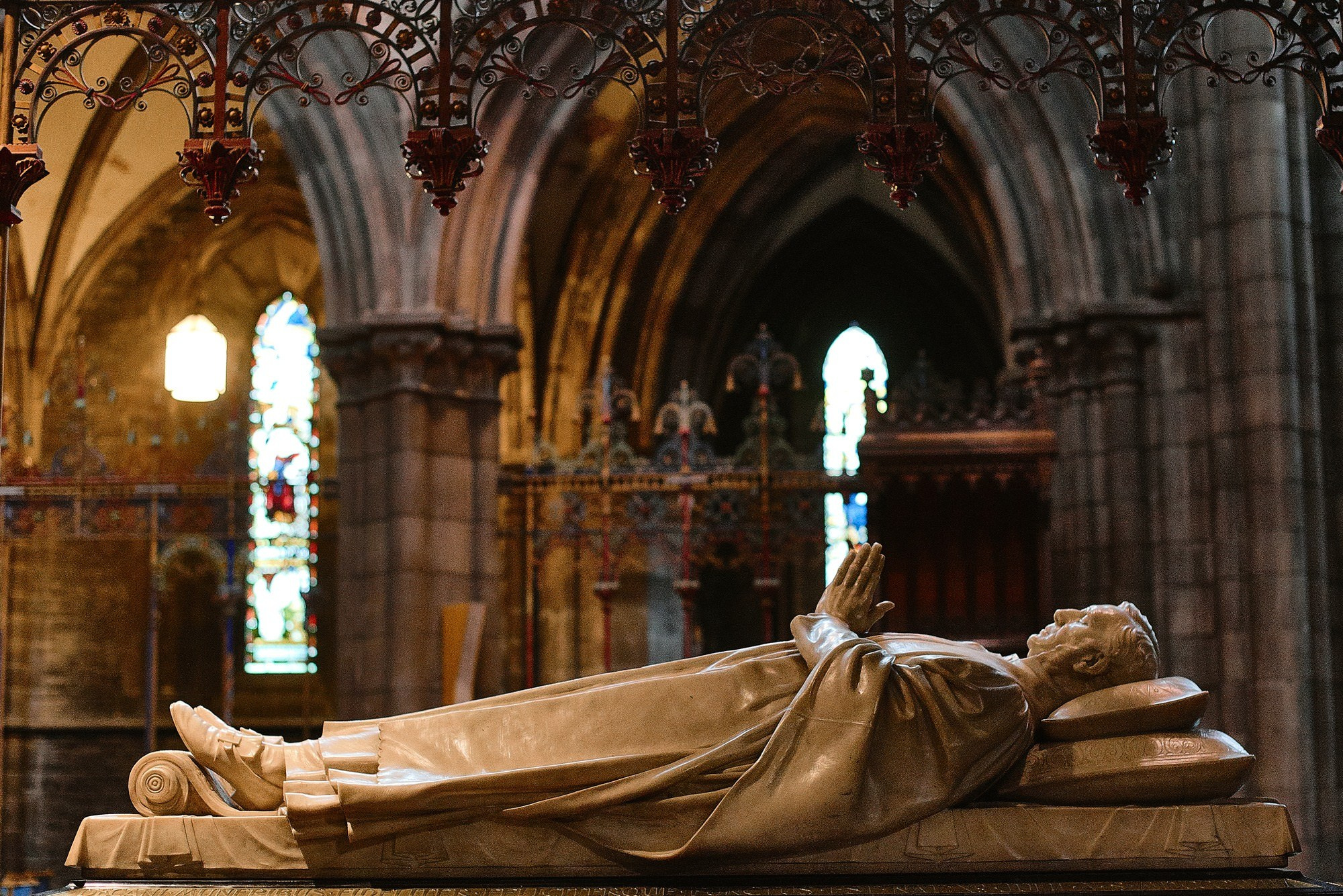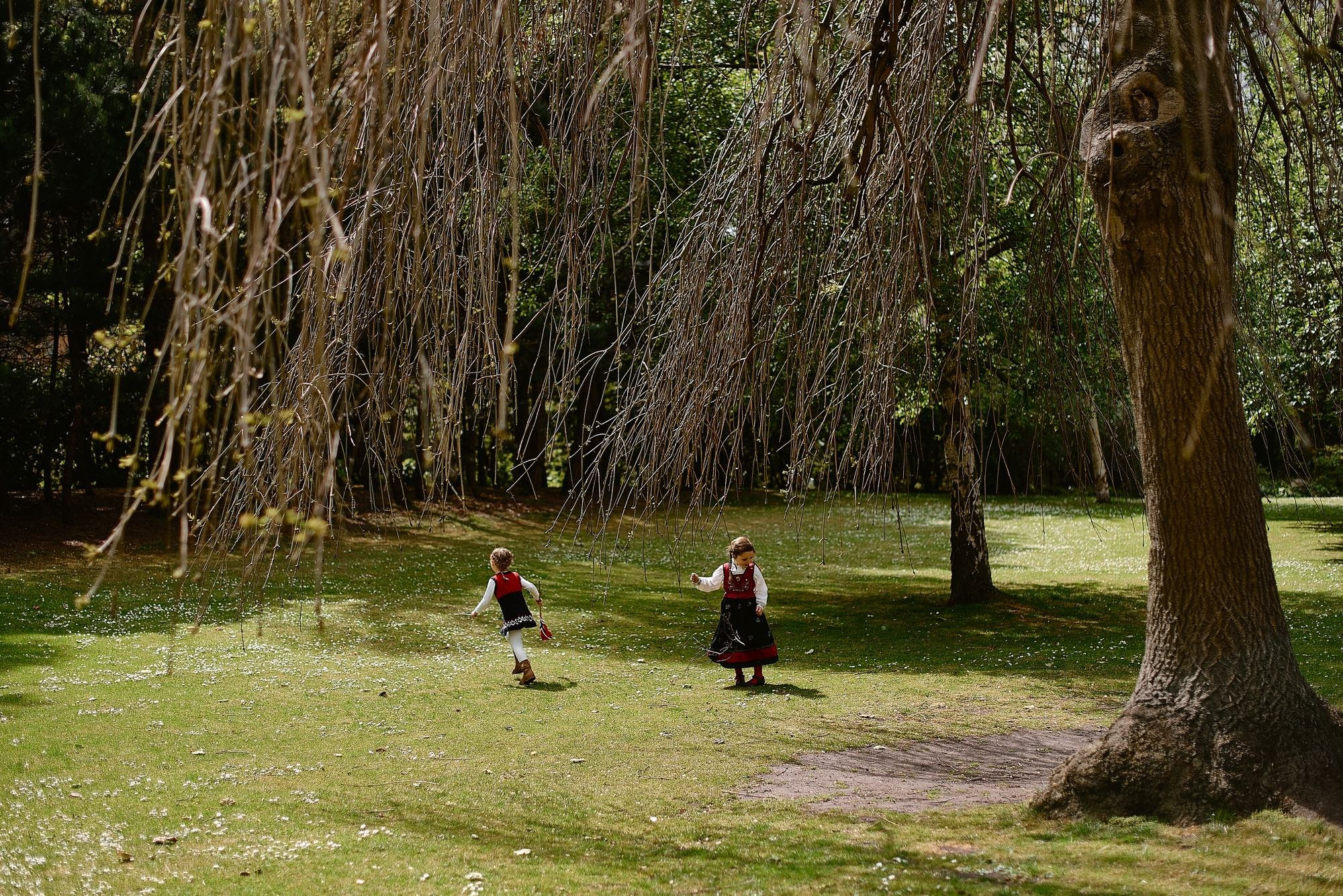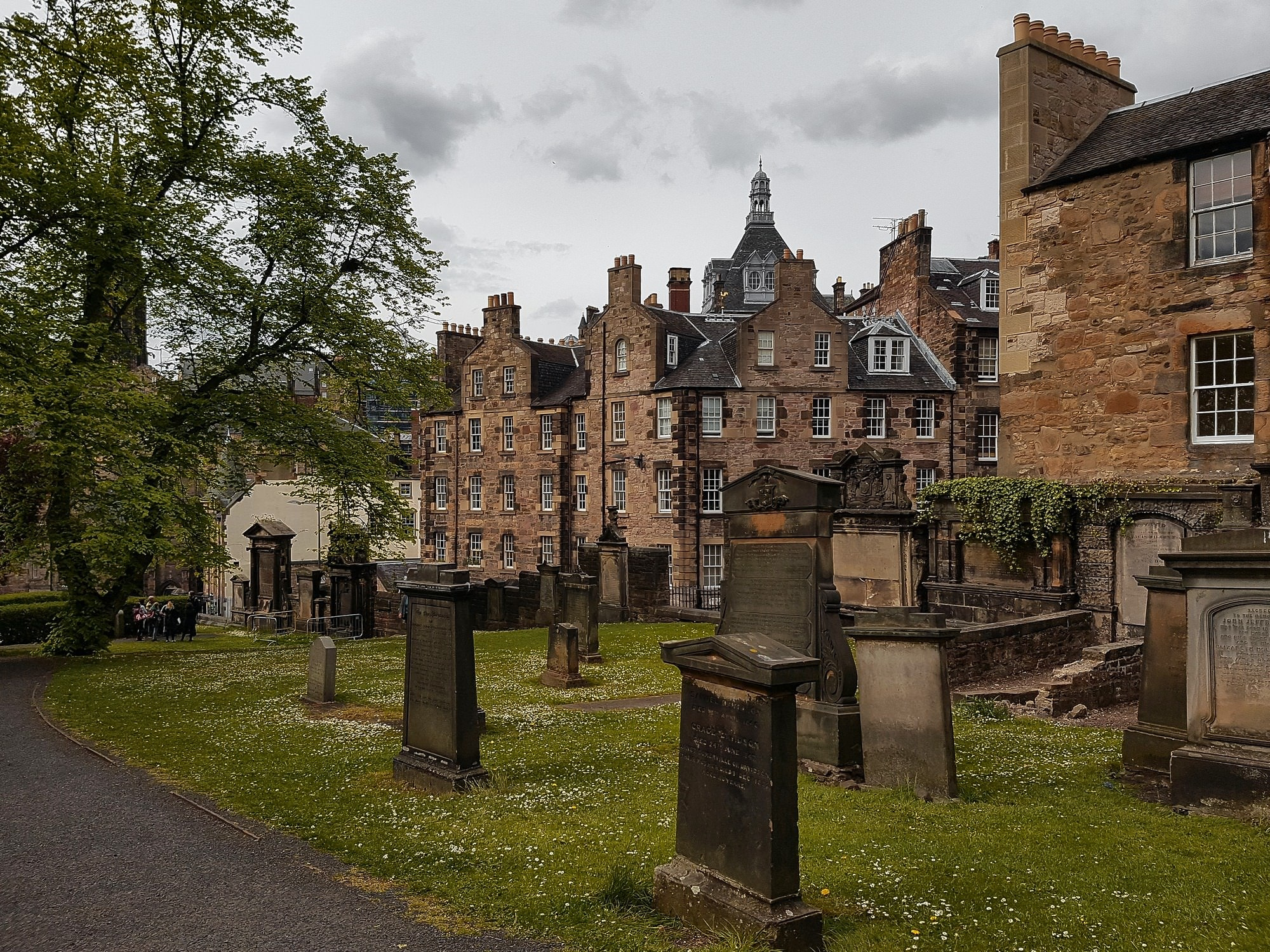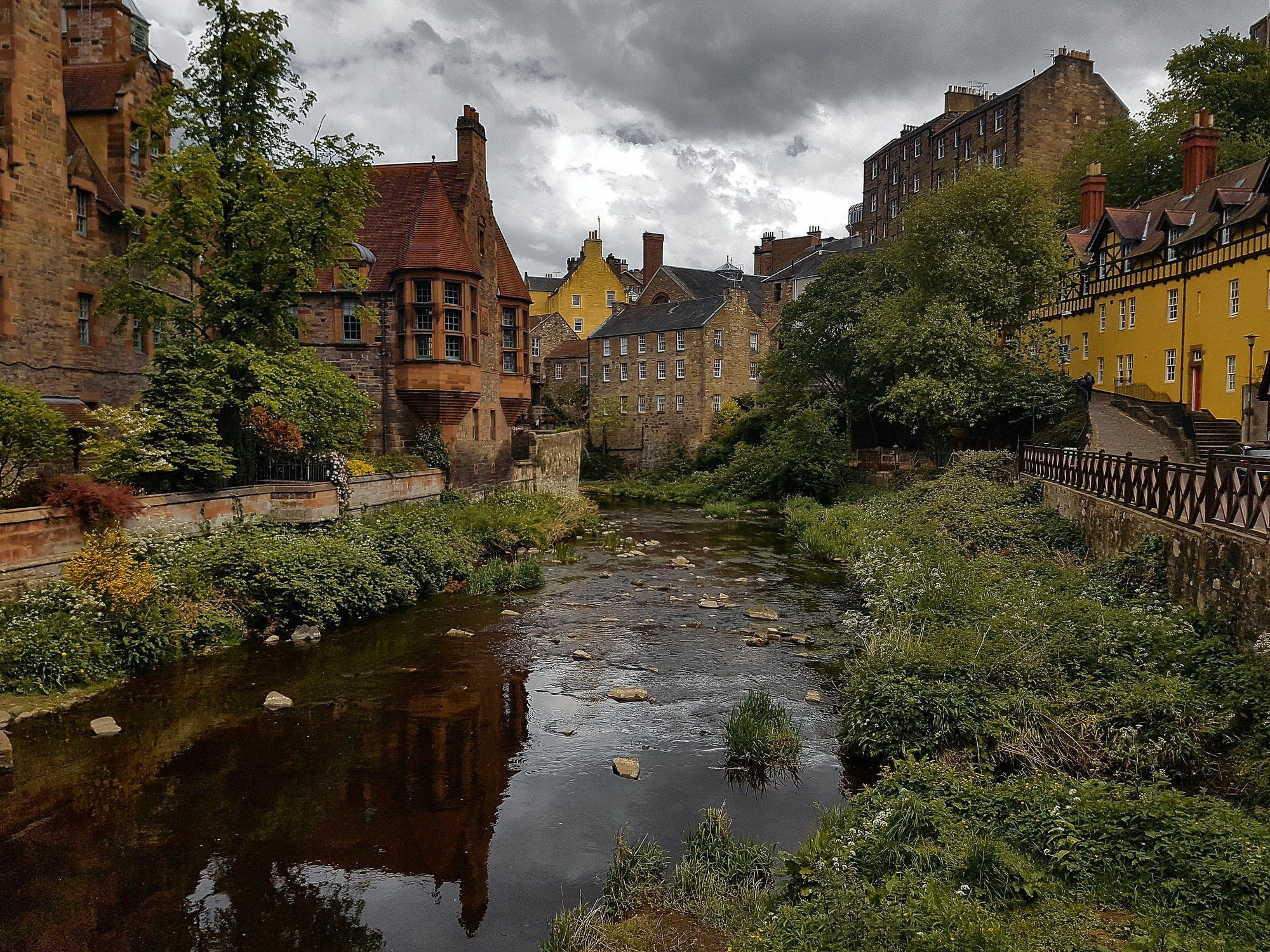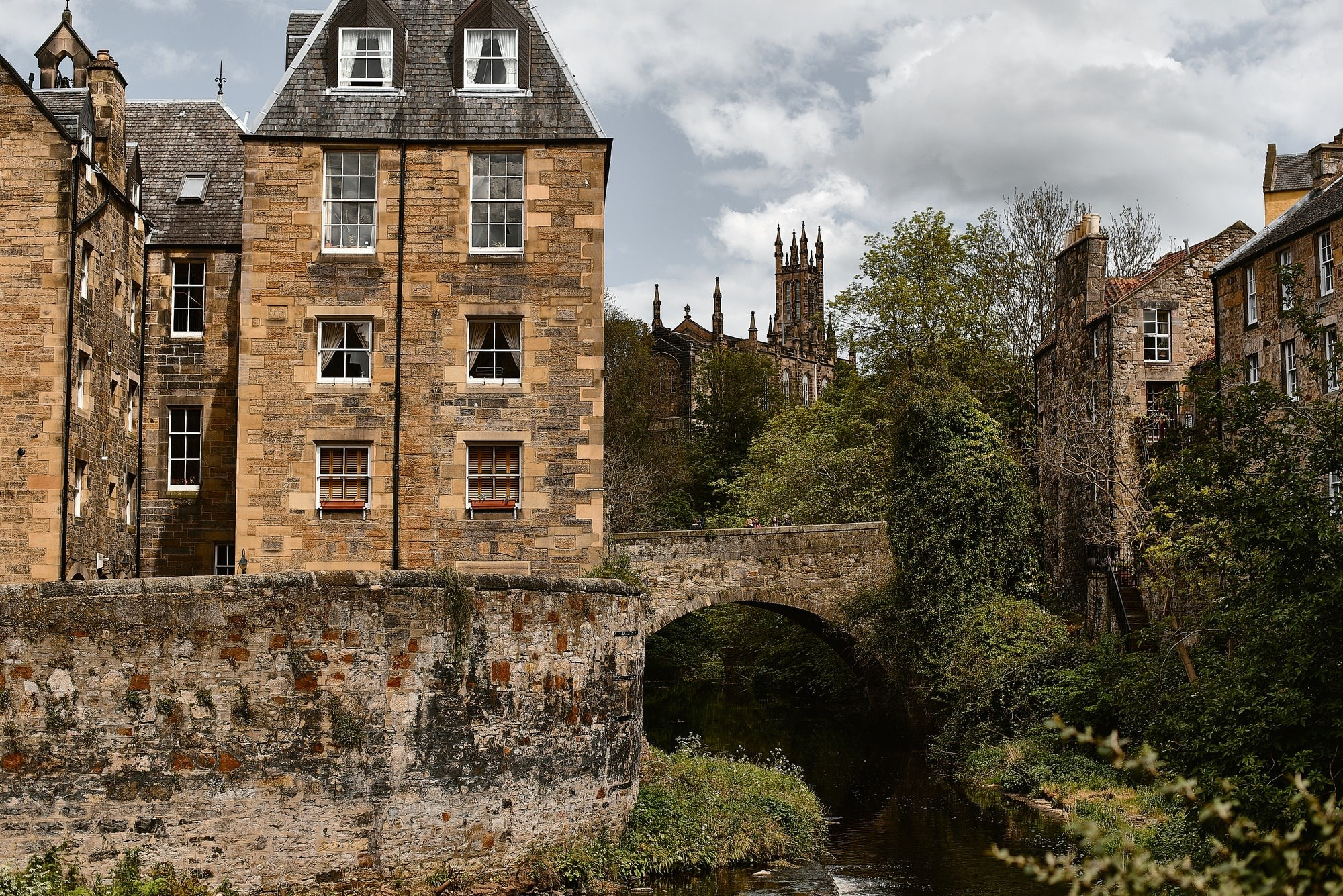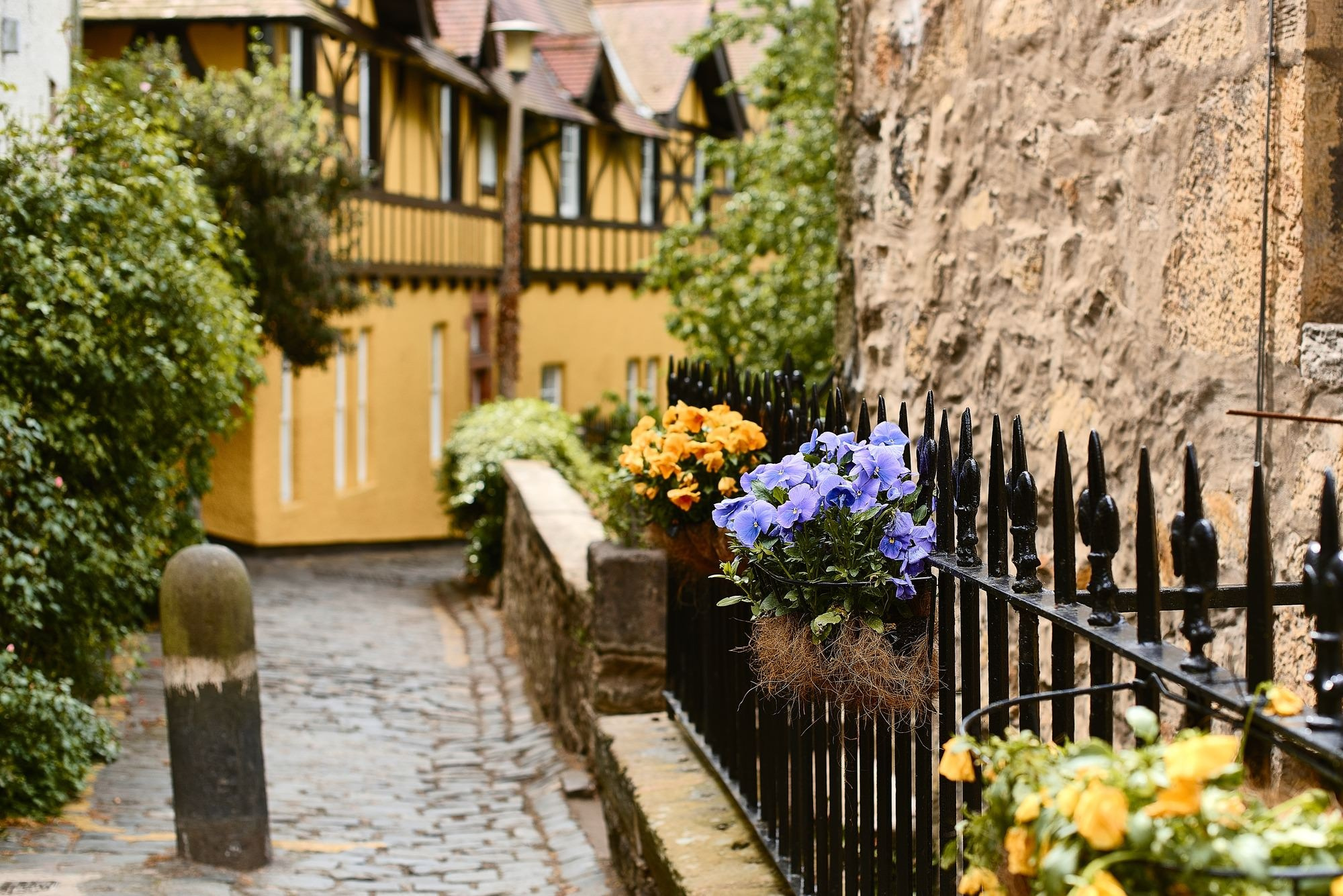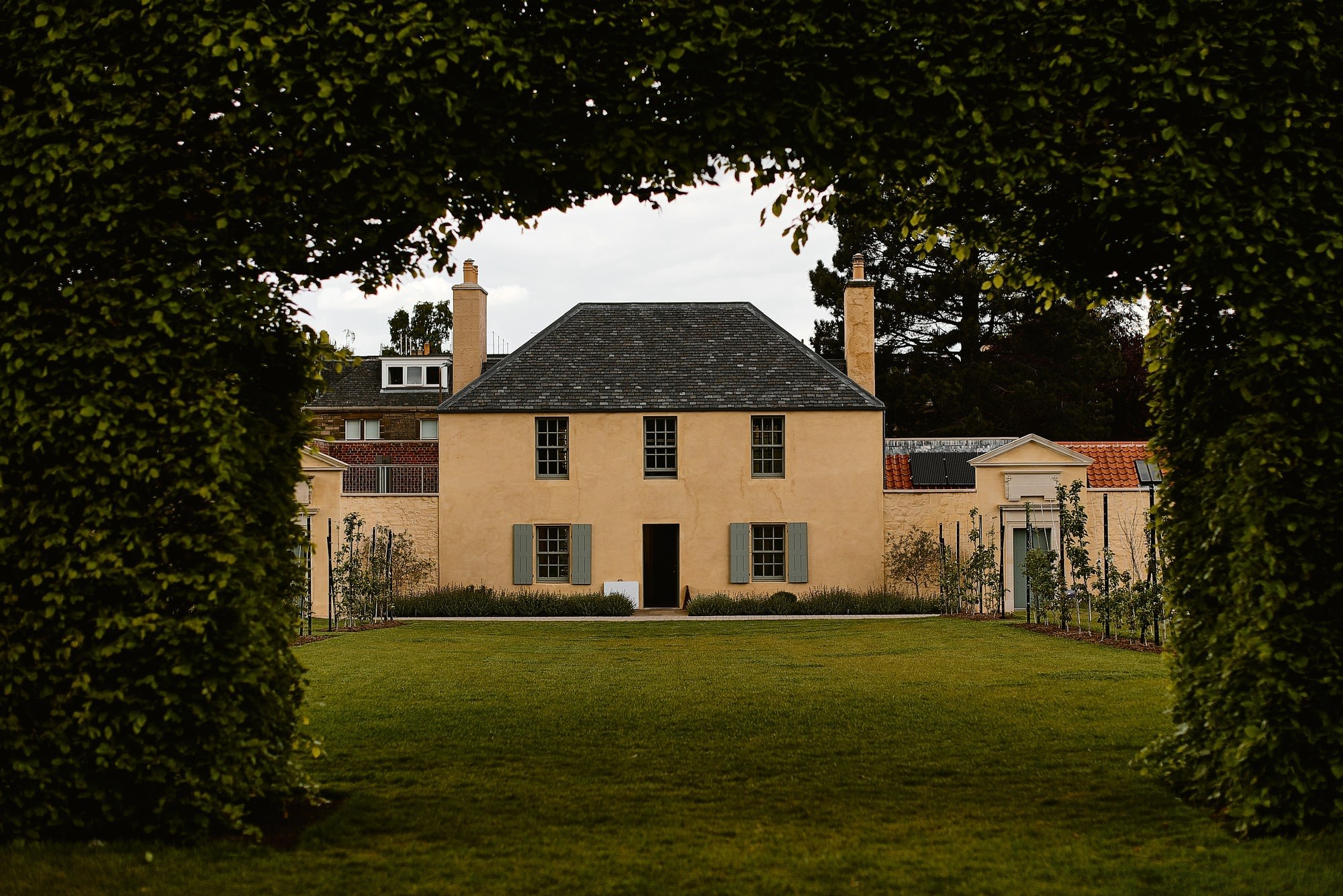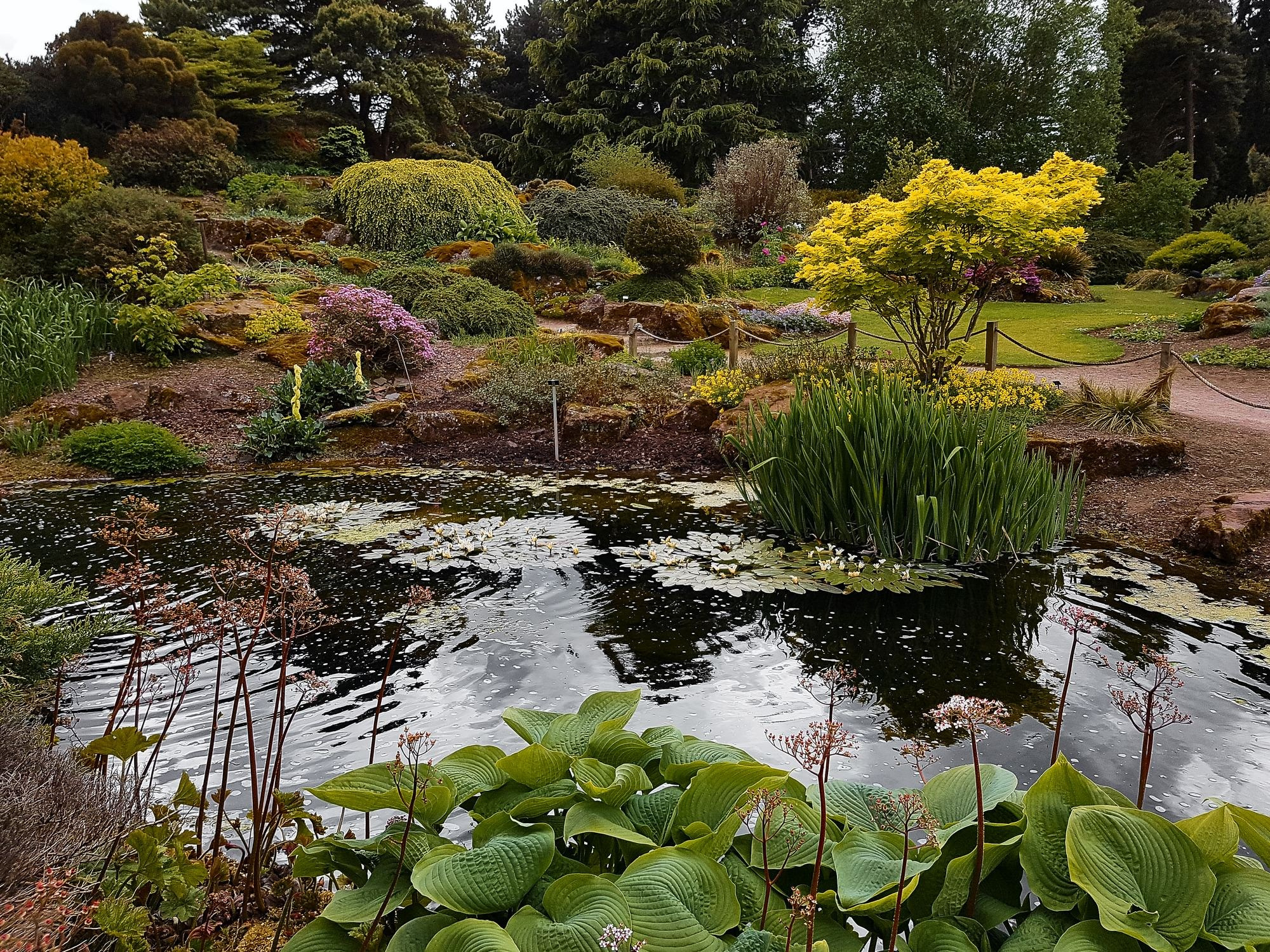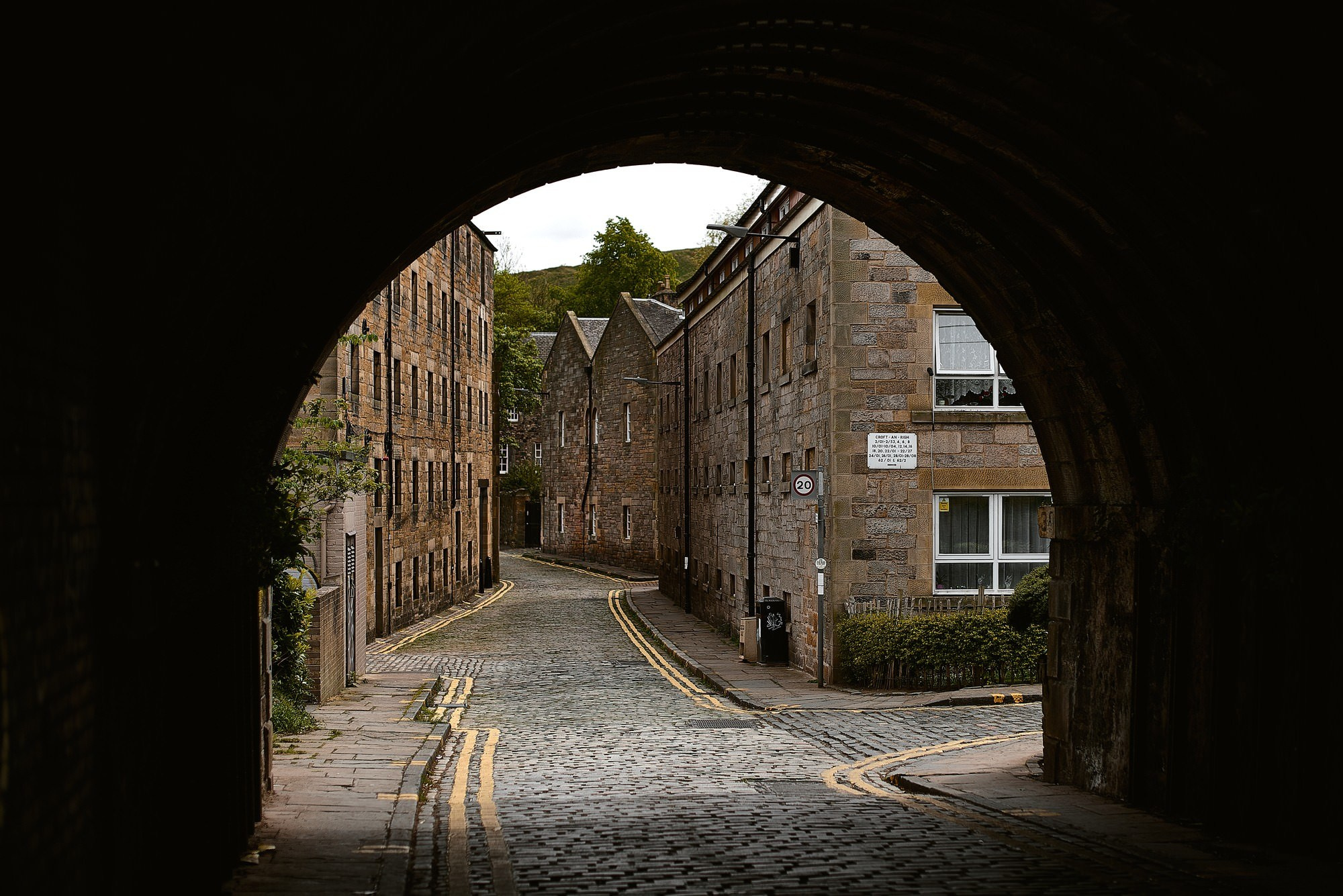
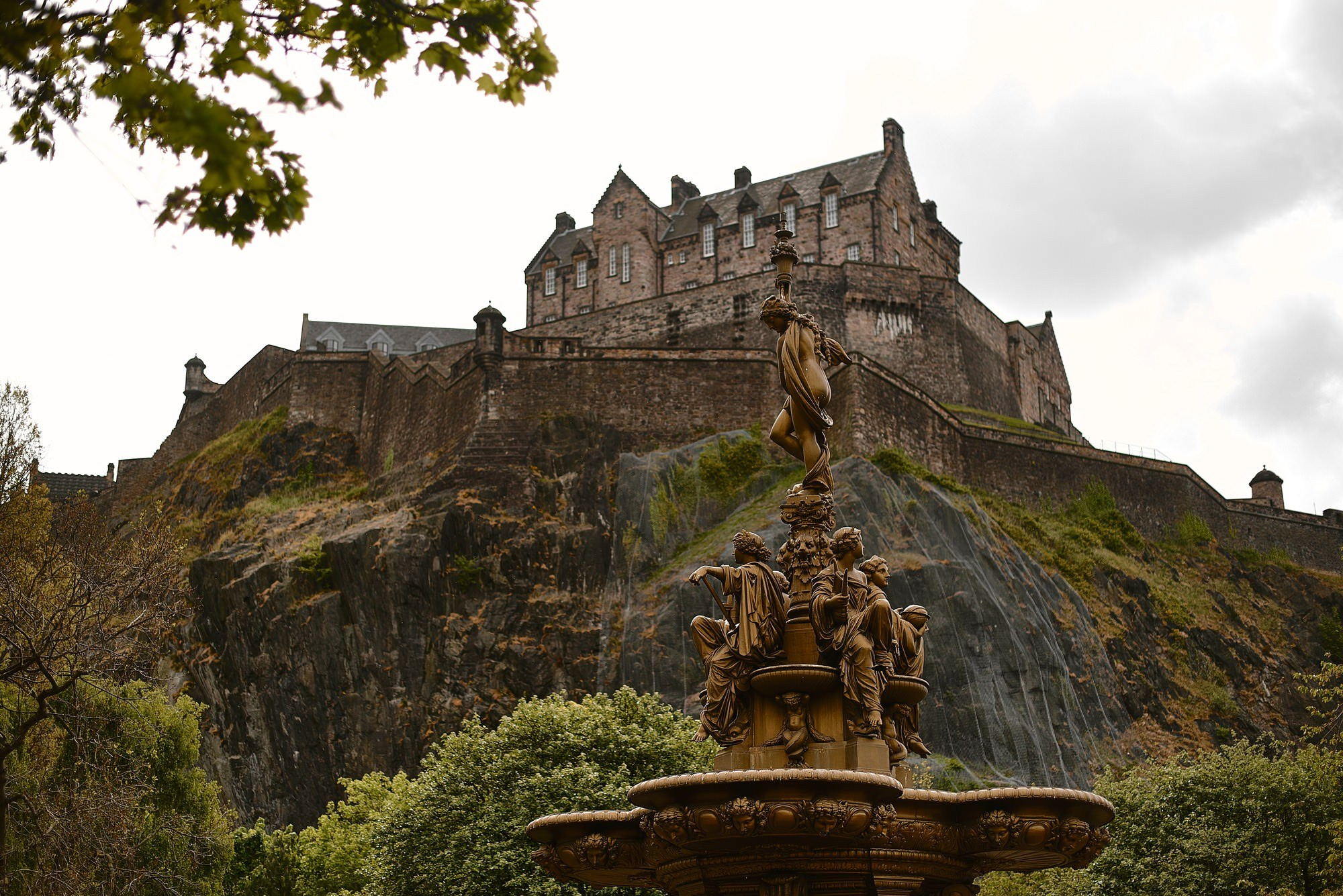
Edinburgh does not announce itself. It accumulates. You turn a corner on the Royal Mile and the castle appears above you, sudden and absolute, as if it has always been there and you simply failed to notice. The light shifts constantly, the haar rolling in from the Firth of Forth, softening everything, then lifting to reveal a city built in layers of grey stone and ambition. For a hospitality photographer, Edinburgh is endlessly generous. Every surface has texture. Every hour has its own atmosphere.
The Old Town: Where Every Stone Has a Story
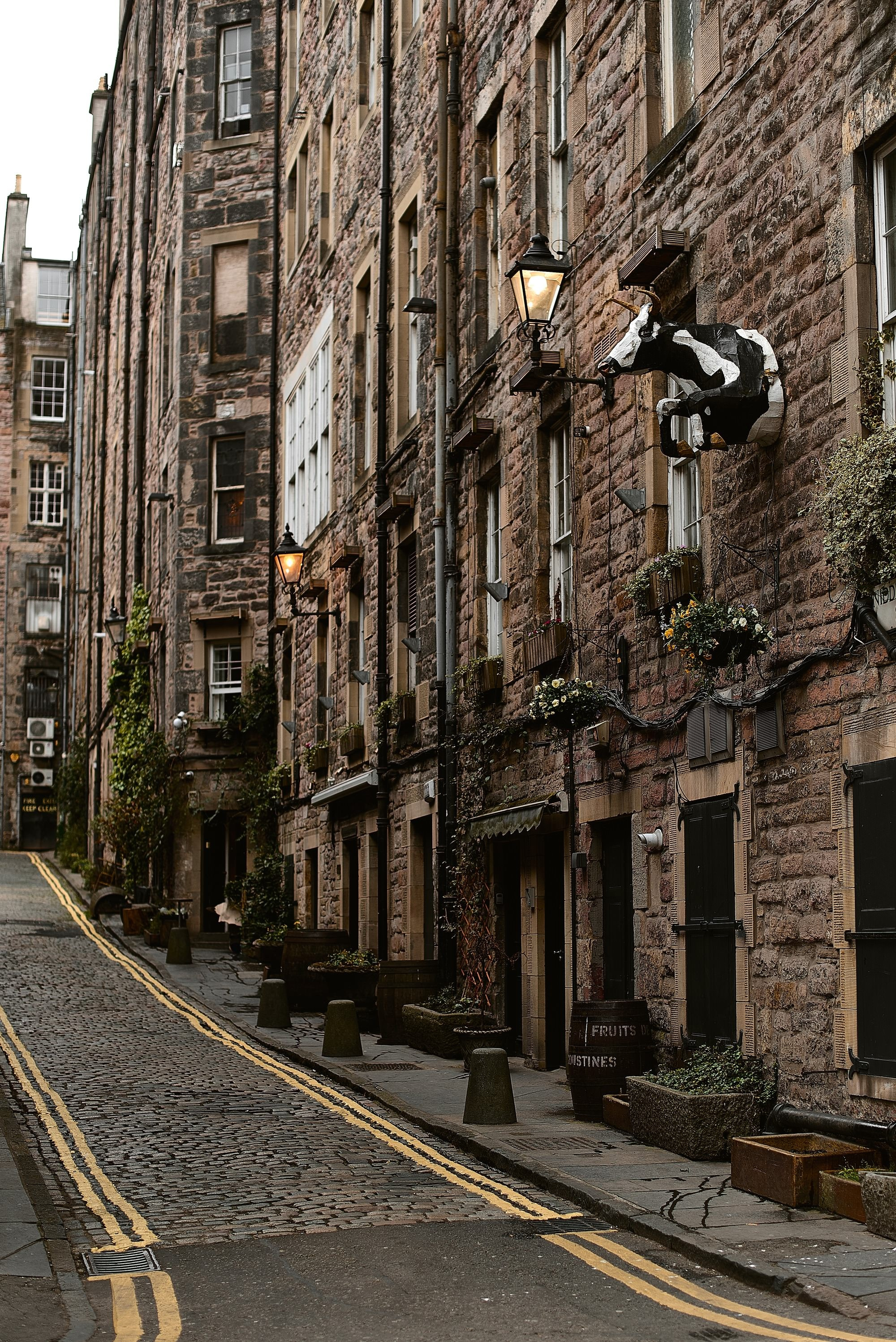
The Old Town is one of the most photogenic urban environments in Europe, not because it is beautiful in any conventional sense, but because it is dense with history in a way that reads immediately on camera. The closes, the narrow passageways between tenement buildings, create natural frames. The cobblestones catch rain and reflect lamplight. Edinburgh Castle sits at the top of the Royal Mile with the quiet authority of something that has survived everything thrown at it for a thousand years.
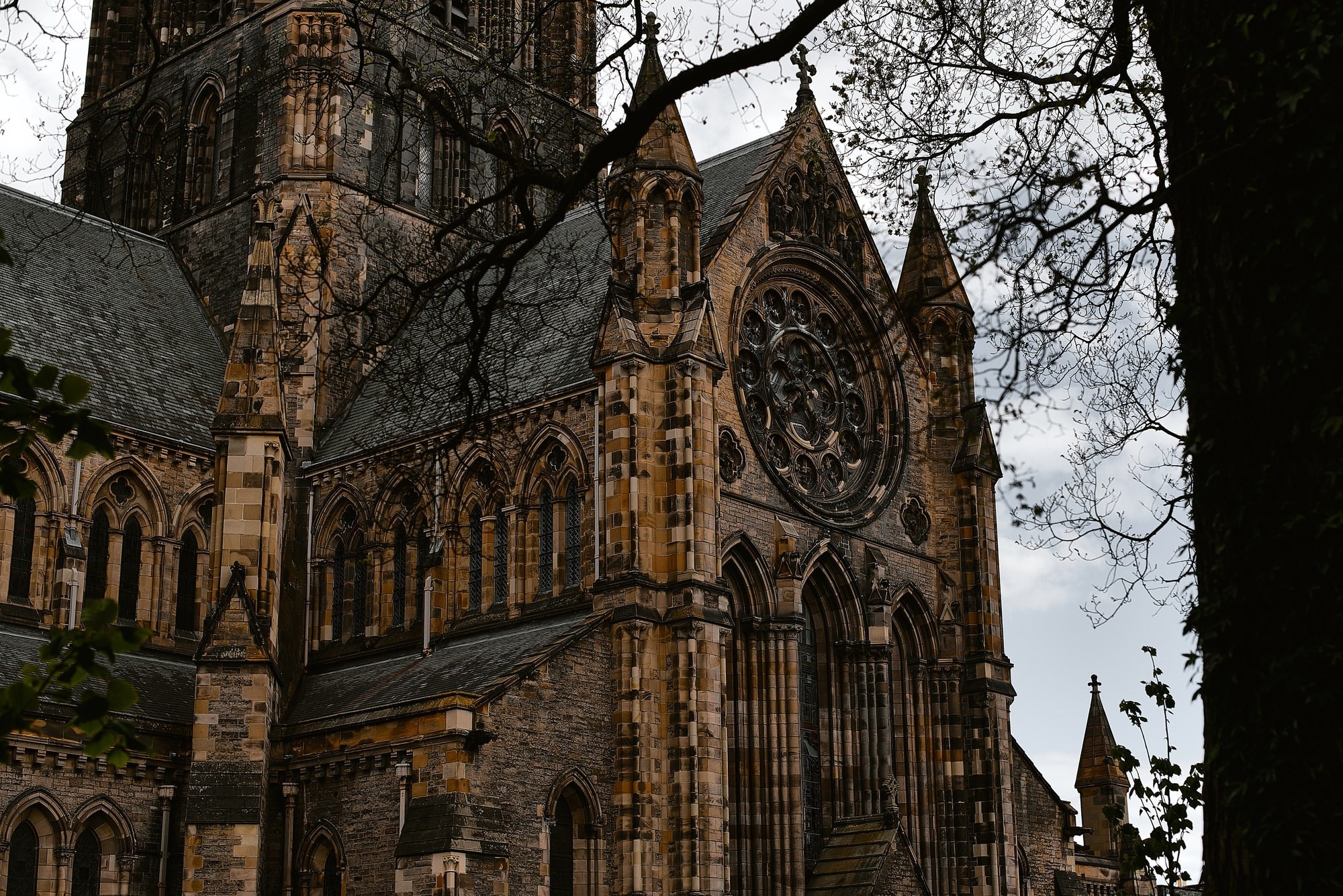
For hotel and heritage property photographers, this is familiar territory: the challenge of conveying age without making it feel heavy, and grandeur without making it feel cold. Edinburgh manages both with ease. The city is serious about its past, but it wears that seriousness lightly.
The Royal Mile: A Corridor of Living History
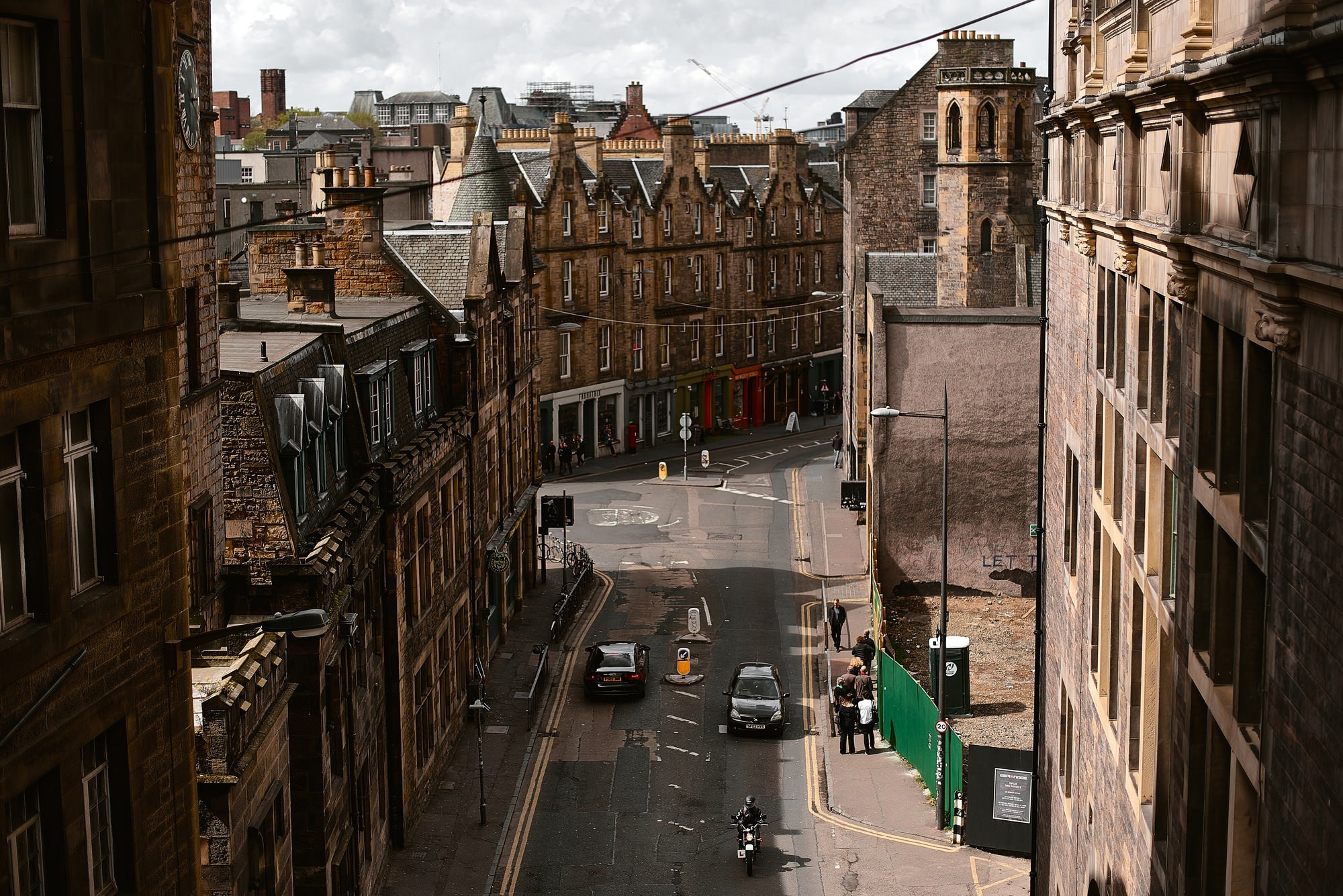
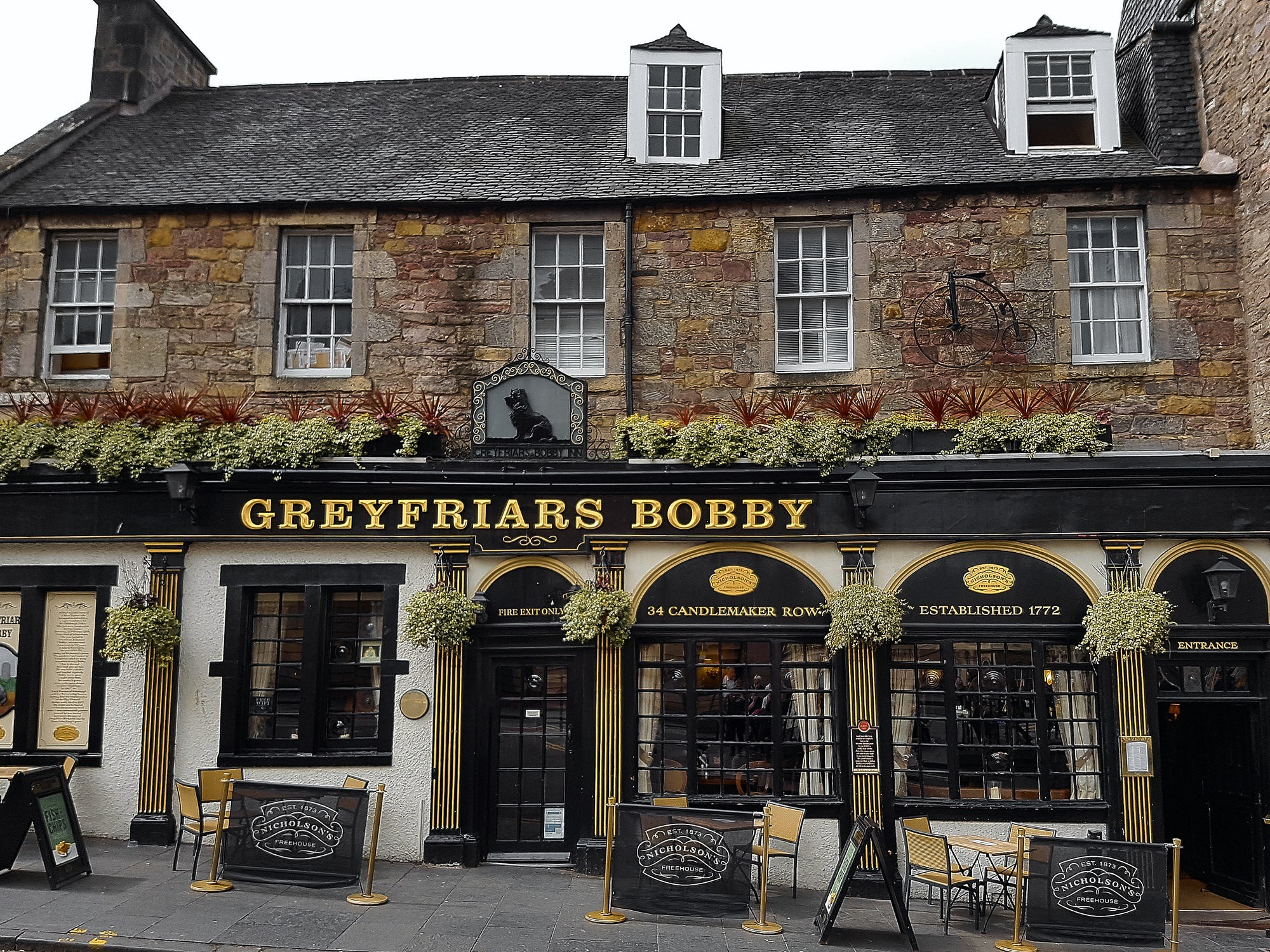
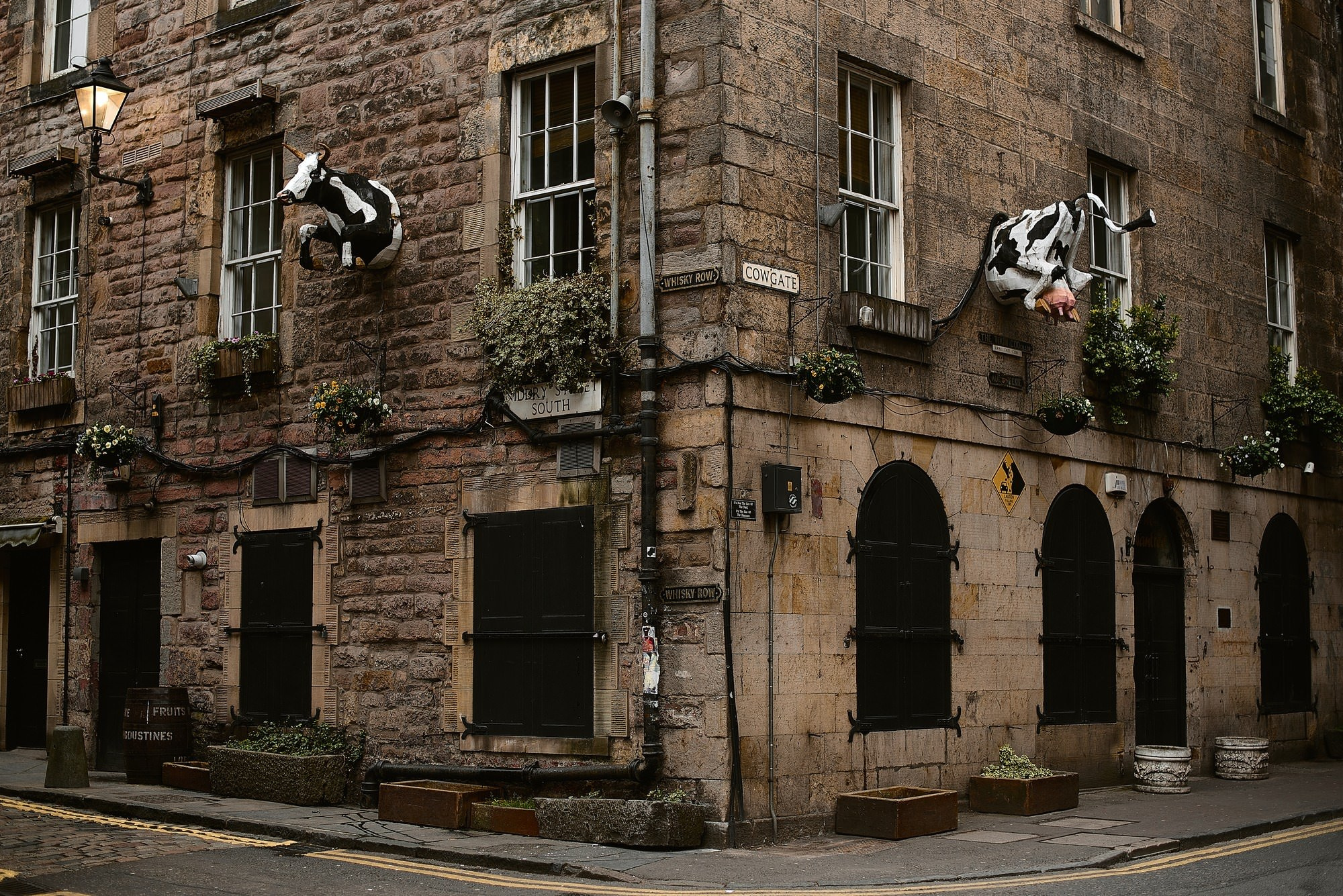
The Royal Mile connects Edinburgh Castle at the top of the hill to Holyrood Palace at the bottom, running through the heart of the Old Town for almost exactly a Scottish mile. Along its length you find traditional pubs, independent whisky shops, centuries-old kirks, and the kind of architectural layering that makes every second facade worth examining closely.
What makes the Royal Mile extraordinary for photography is the verticality. The tenements on either side rise six, seven, eight storeys, creating a canyon effect that concentrates the light and makes even an overcast Scottish day feel dramatic. The best frames appear in the early morning before the street fills, when the cobblestones are still wet and the light is flat and silver and entirely its own.
Arthur’s Seat: Light, Scale, and the Photographer’s Eye
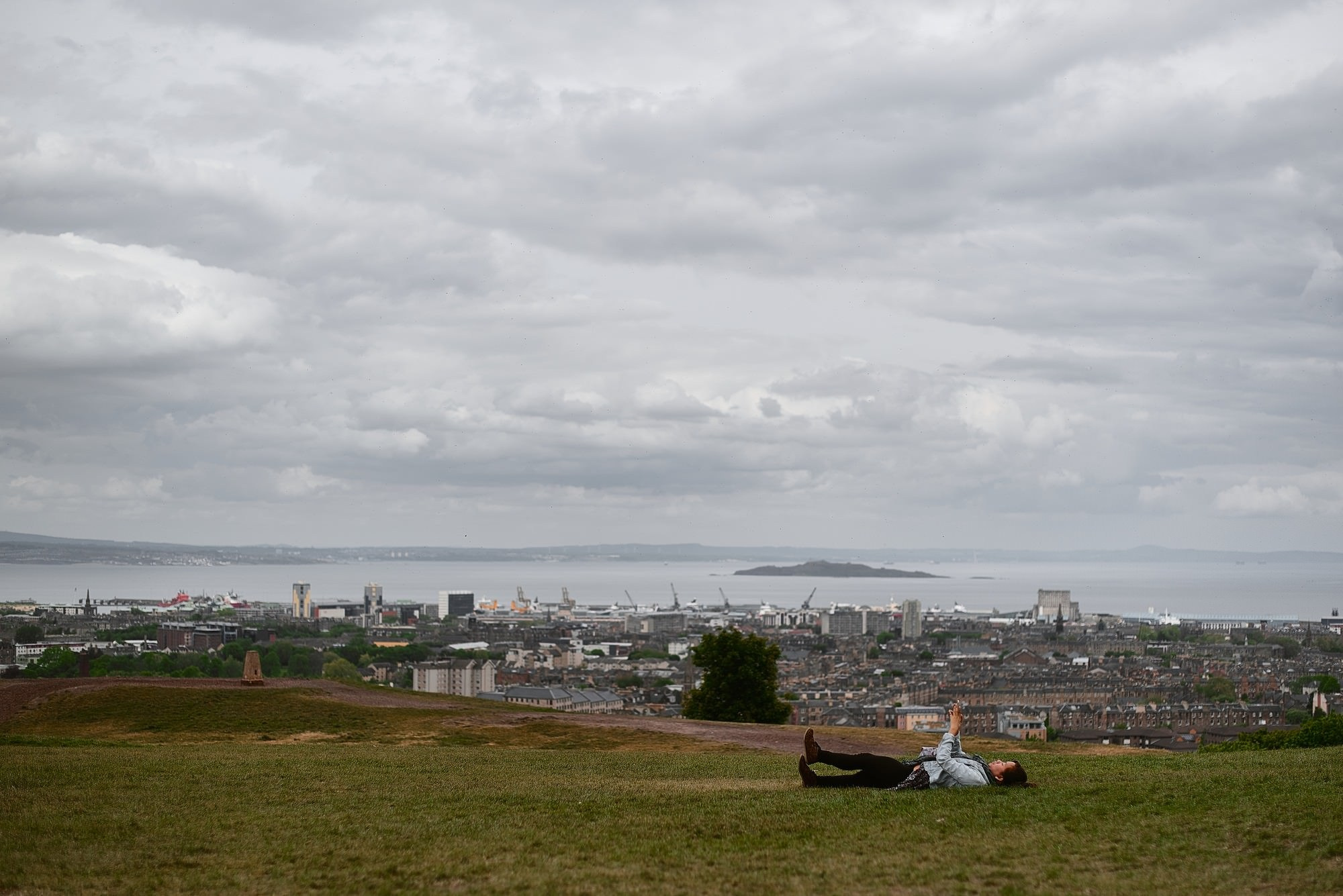
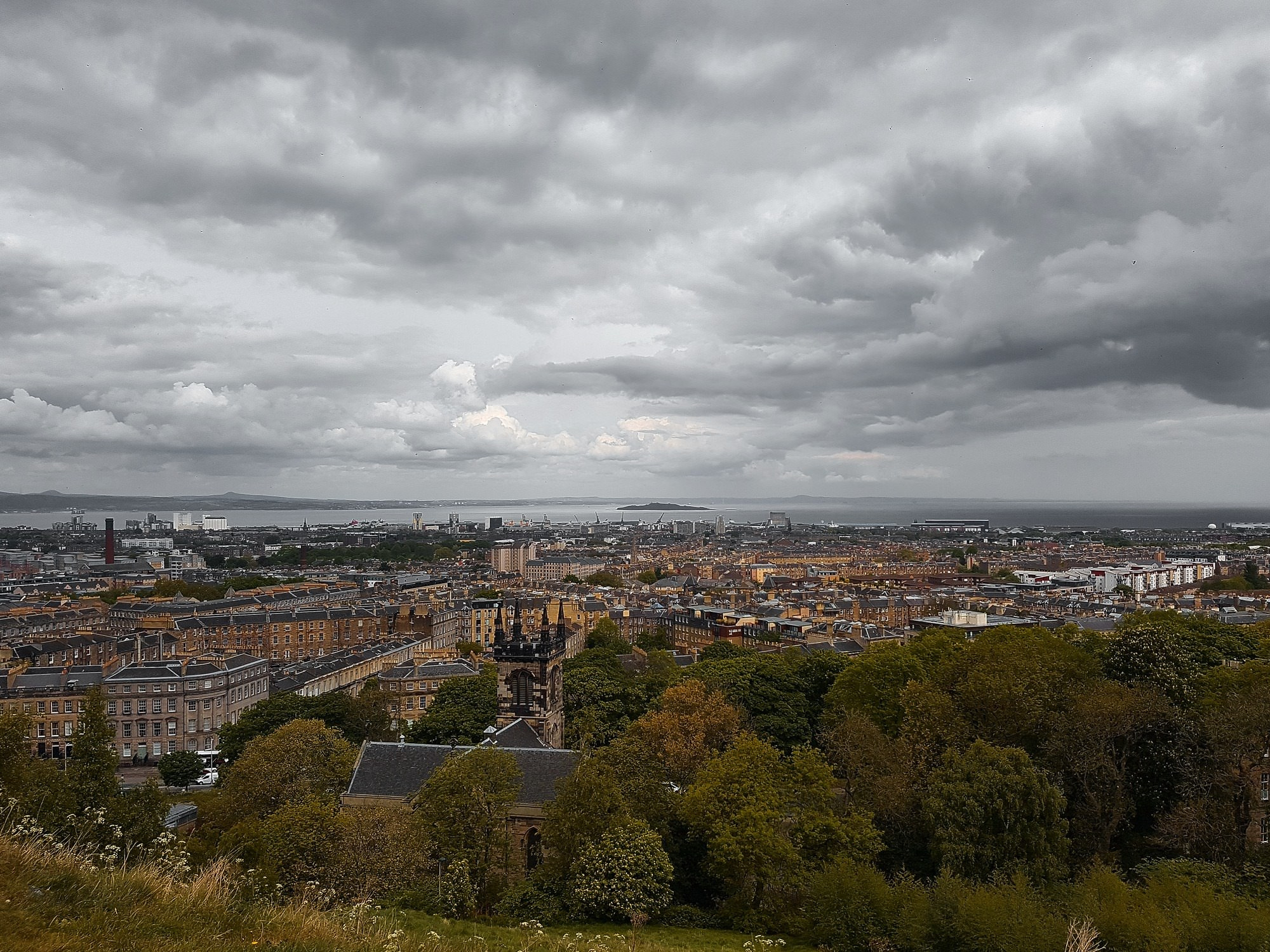
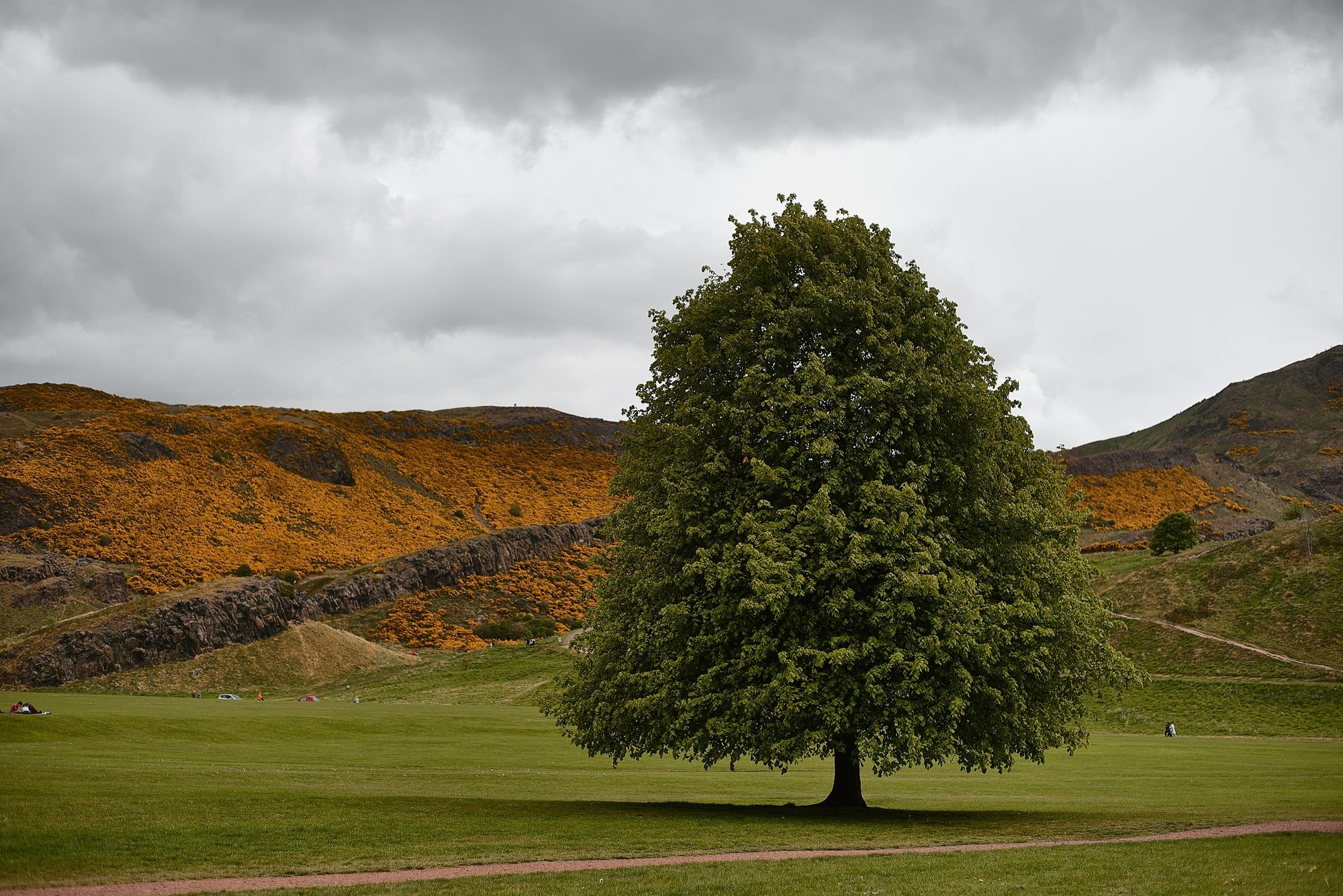
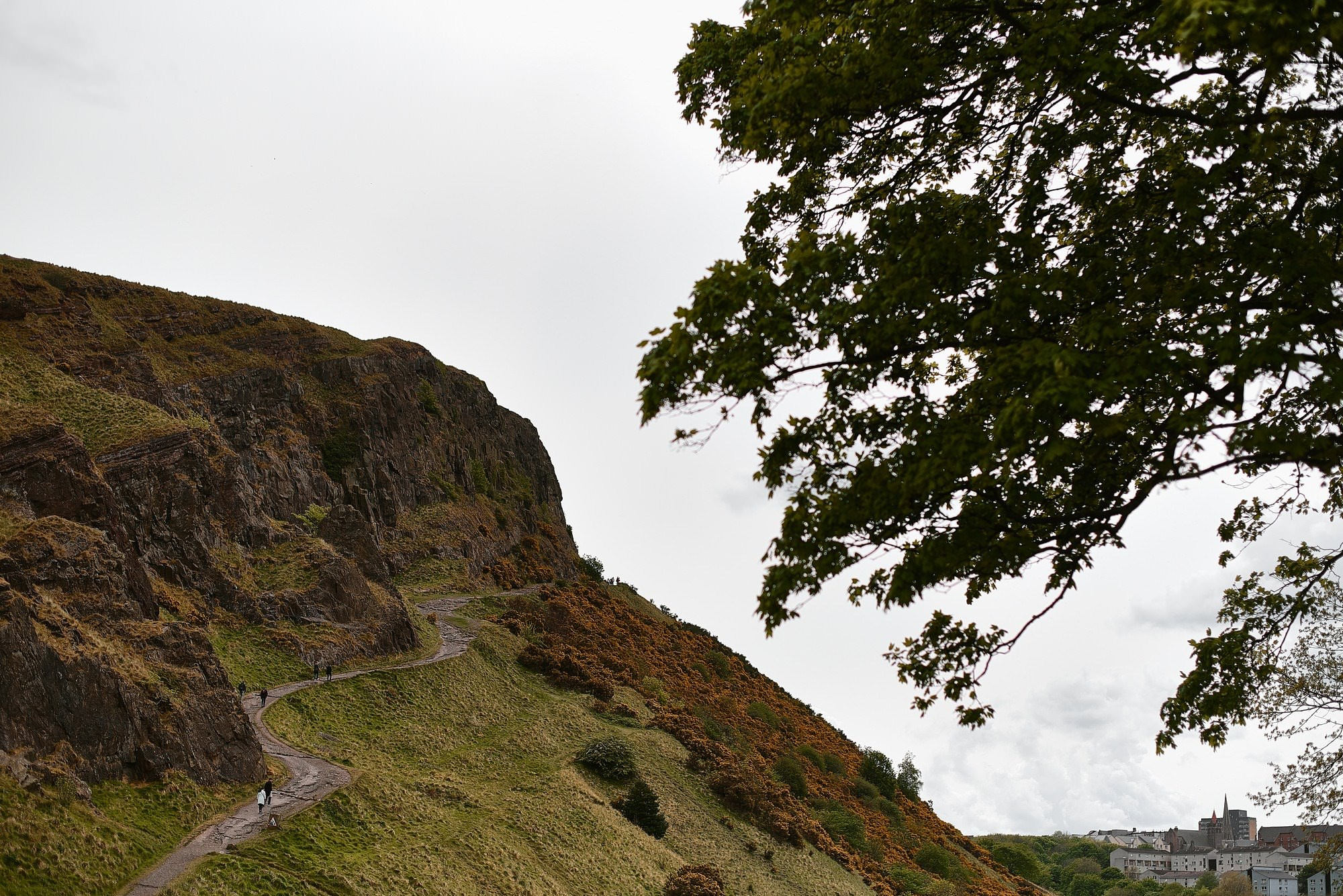
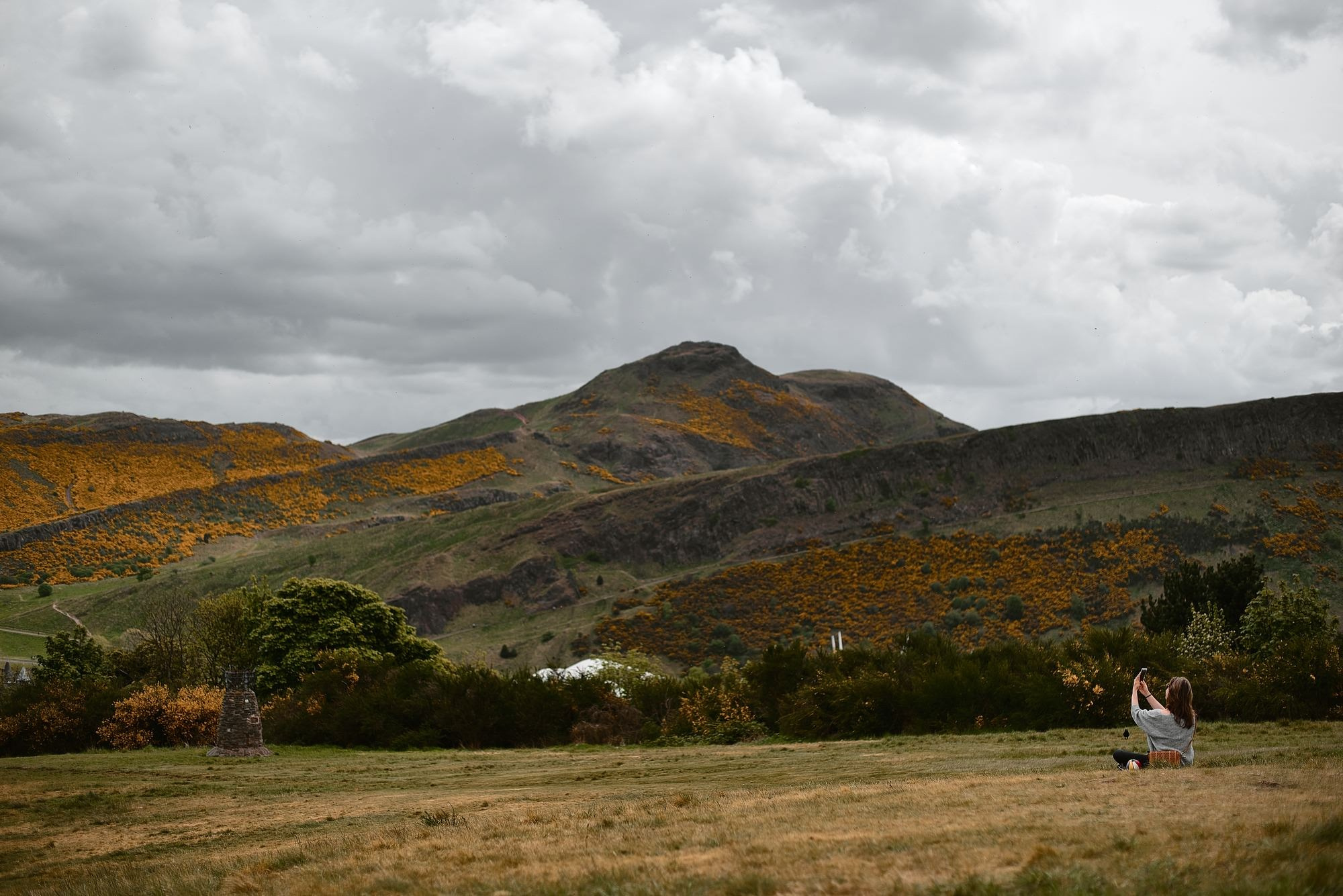
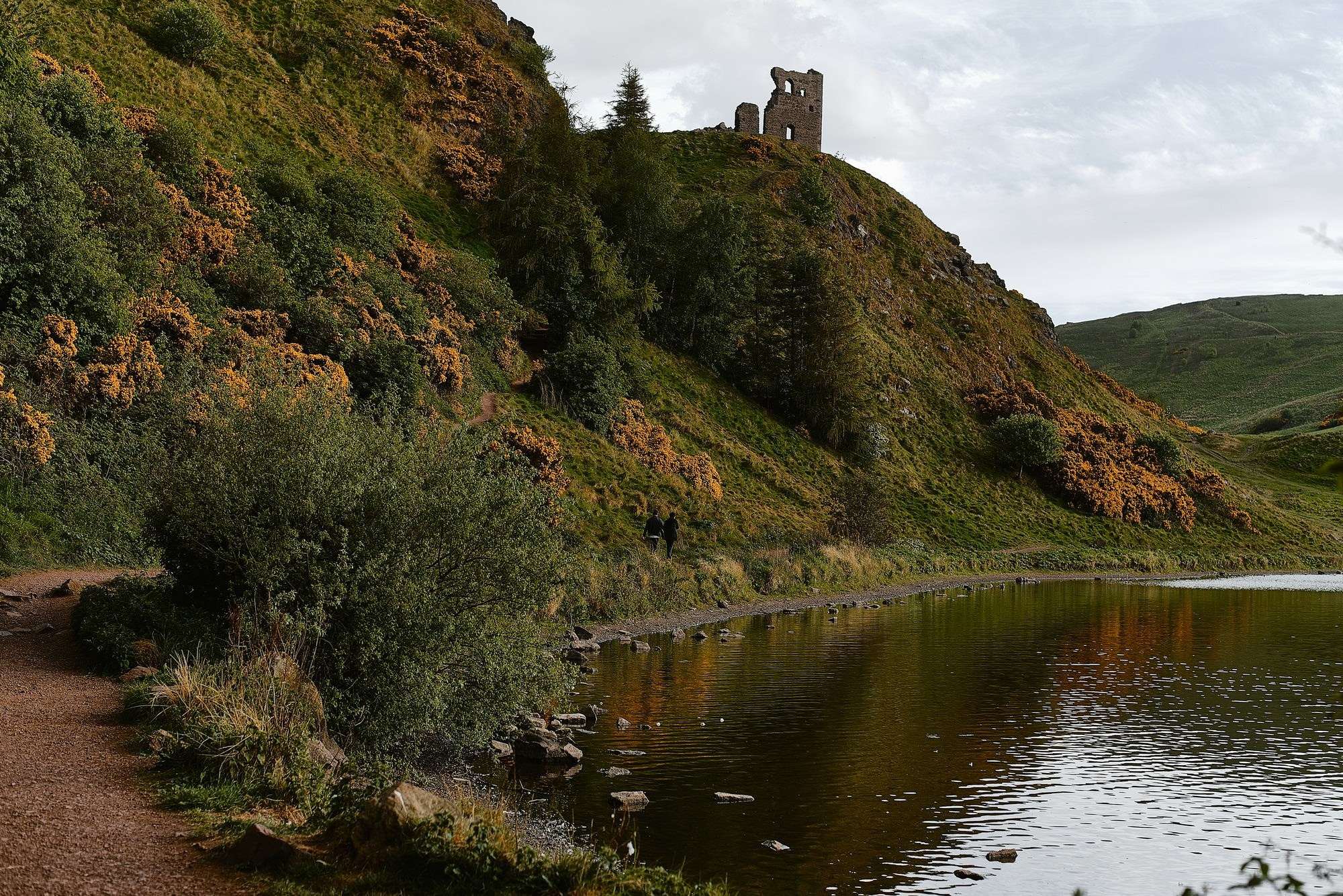
Arthur’s Seat is an extinct volcano that rises from Holyrood Park in the middle of the city, offering views in every direction: the castle, the Firth of Forth, the Pentland Hills to the south, and the Georgian geometry of the New Town below. It is a forty-five minute walk from the base to the summit, and the light changes completely from start to finish.
For hospitality photographers, the lesson of Arthur’s Seat is one of scale. A property exists in a context, and that context matters as much as the building itself. Edinburgh from above is a city that makes sense only when you see how the old and new fit together, how the volcanic geology shaped the medieval street plan, how water and light and weather are constant presences in the visual language of the place.
The Detail That Defines Edinburgh
Edinburgh’s hospitality culture is built on specificity. The single malt poured from a bottle with a story. The smoked salmon from a particular producer in the Highlands. The hand-thrown ceramic on the breakfast table in a boutique hotel on Princes Street. These are not decorative choices. They are the entire point. Scotland has always understood that a sense of place is not created by tartan and shortbread, but by genuine attention to provenance, craft, and the small things that make a guest feel they are somewhere particular.
It is the same instinct that drives good hospitality photography: not the sweeping establishing shot, but the close detail that carries the identity of a place. The condensation on a glass of cold whisky. The worn leather of a booth in a pub that has been serving since 1806. The way a Georgian sash window frames the castle from a hotel bedroom across the valley.
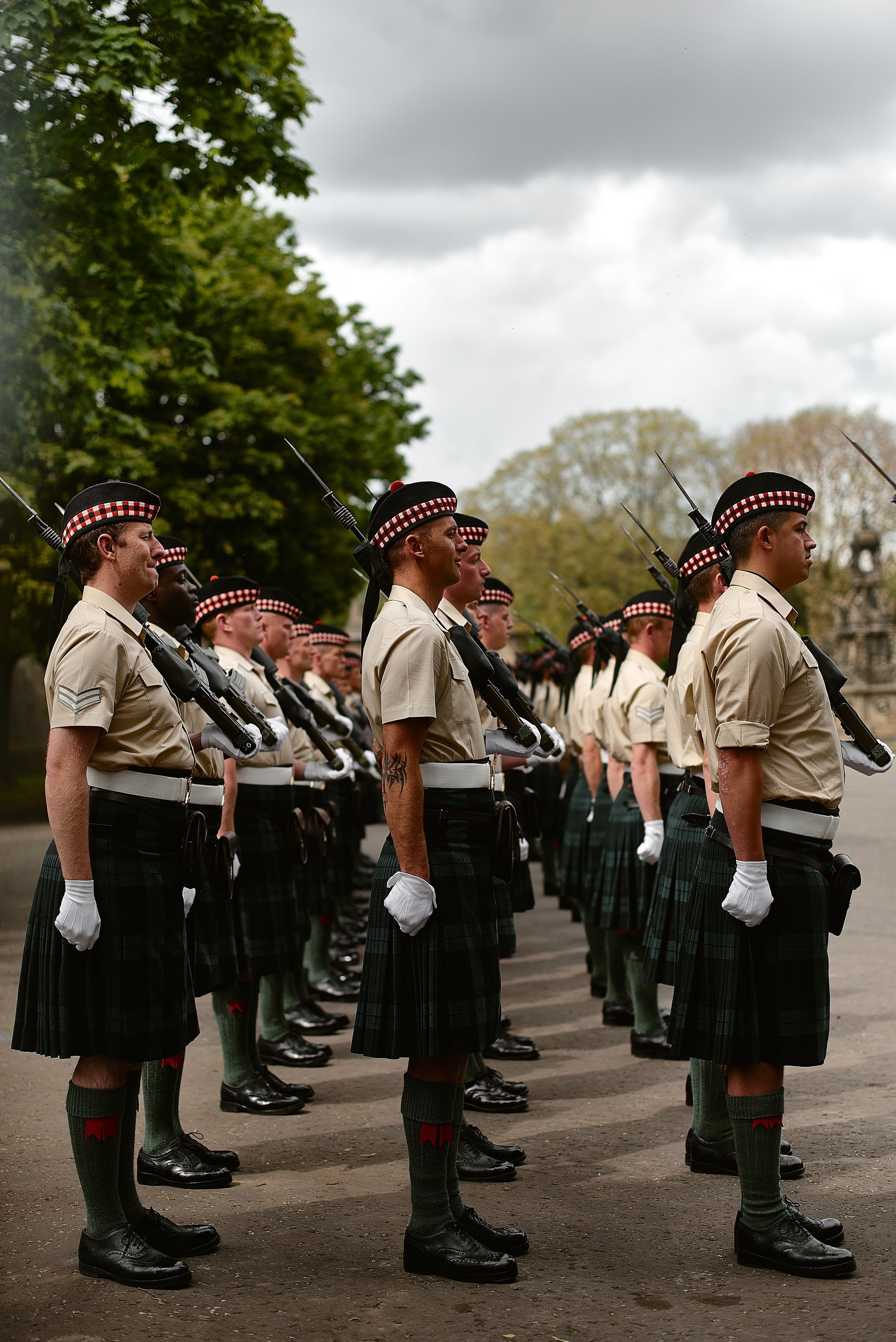
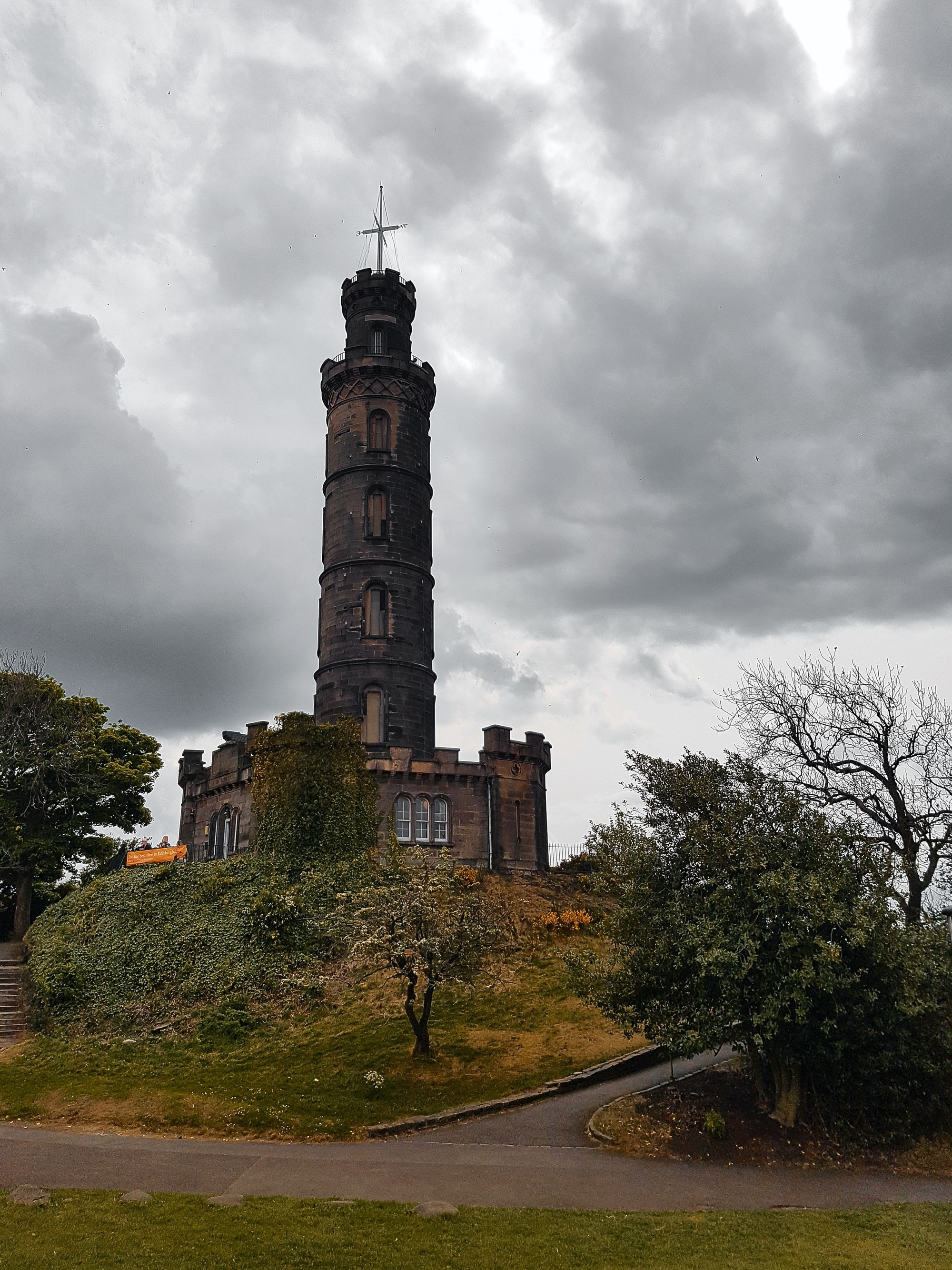
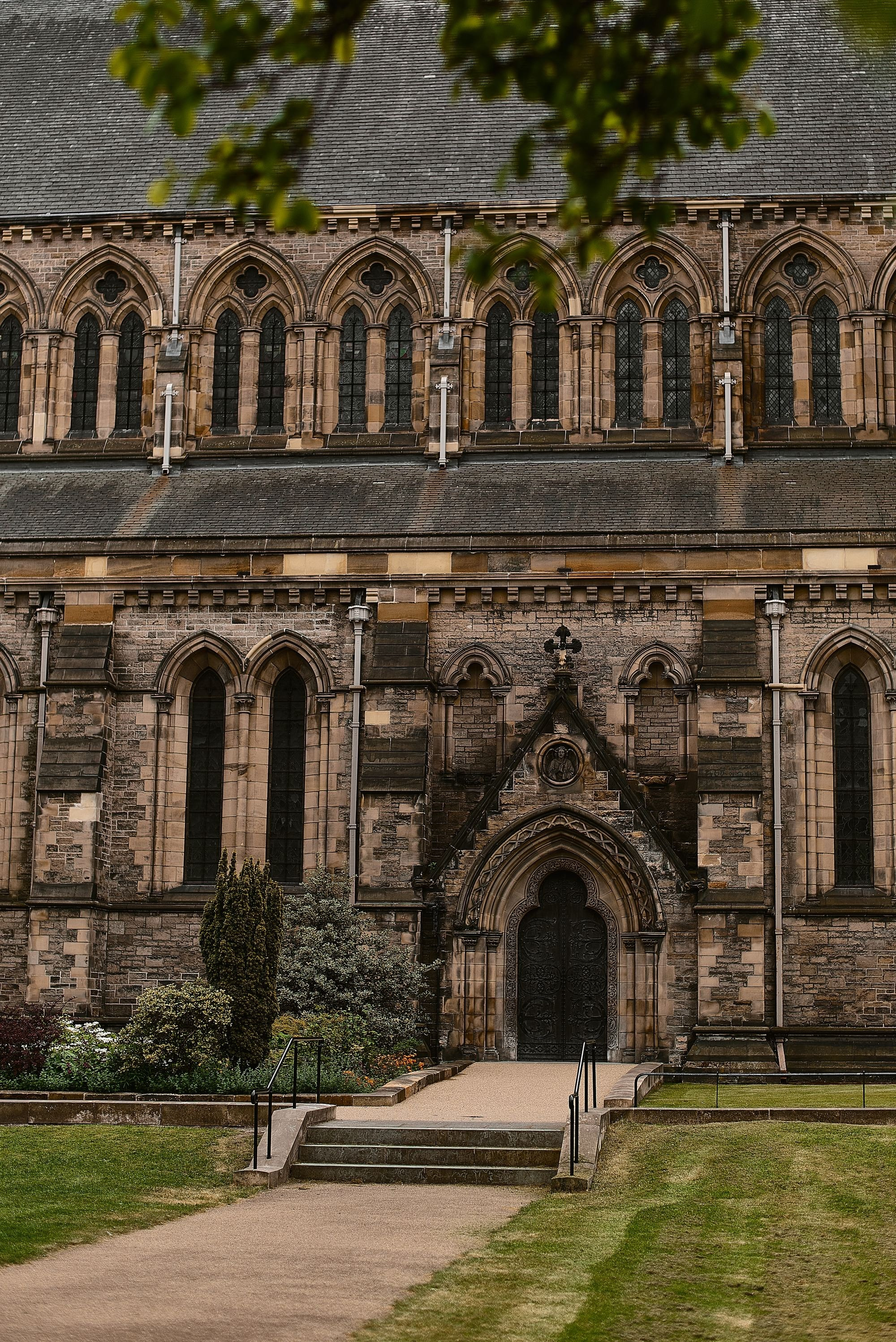
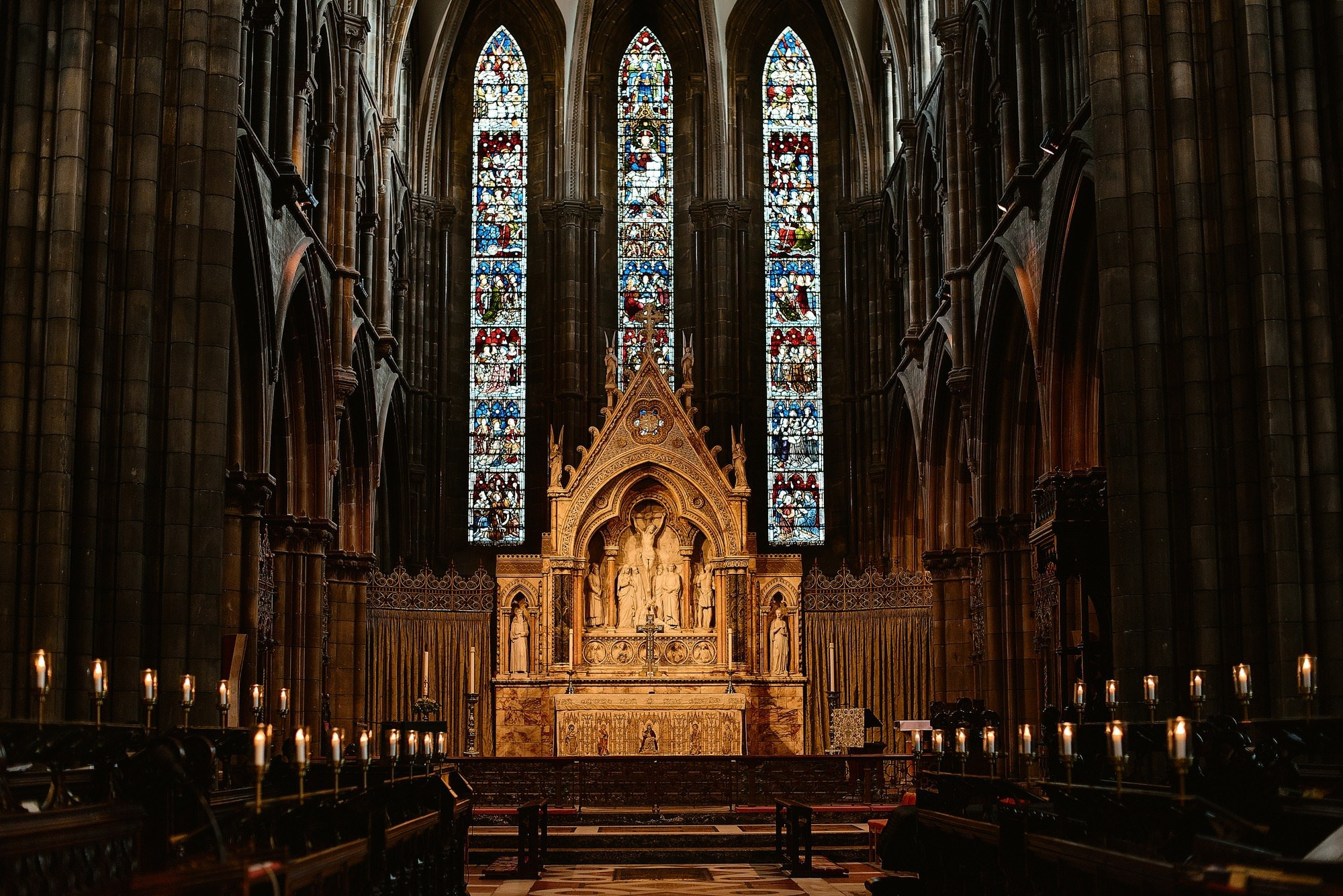
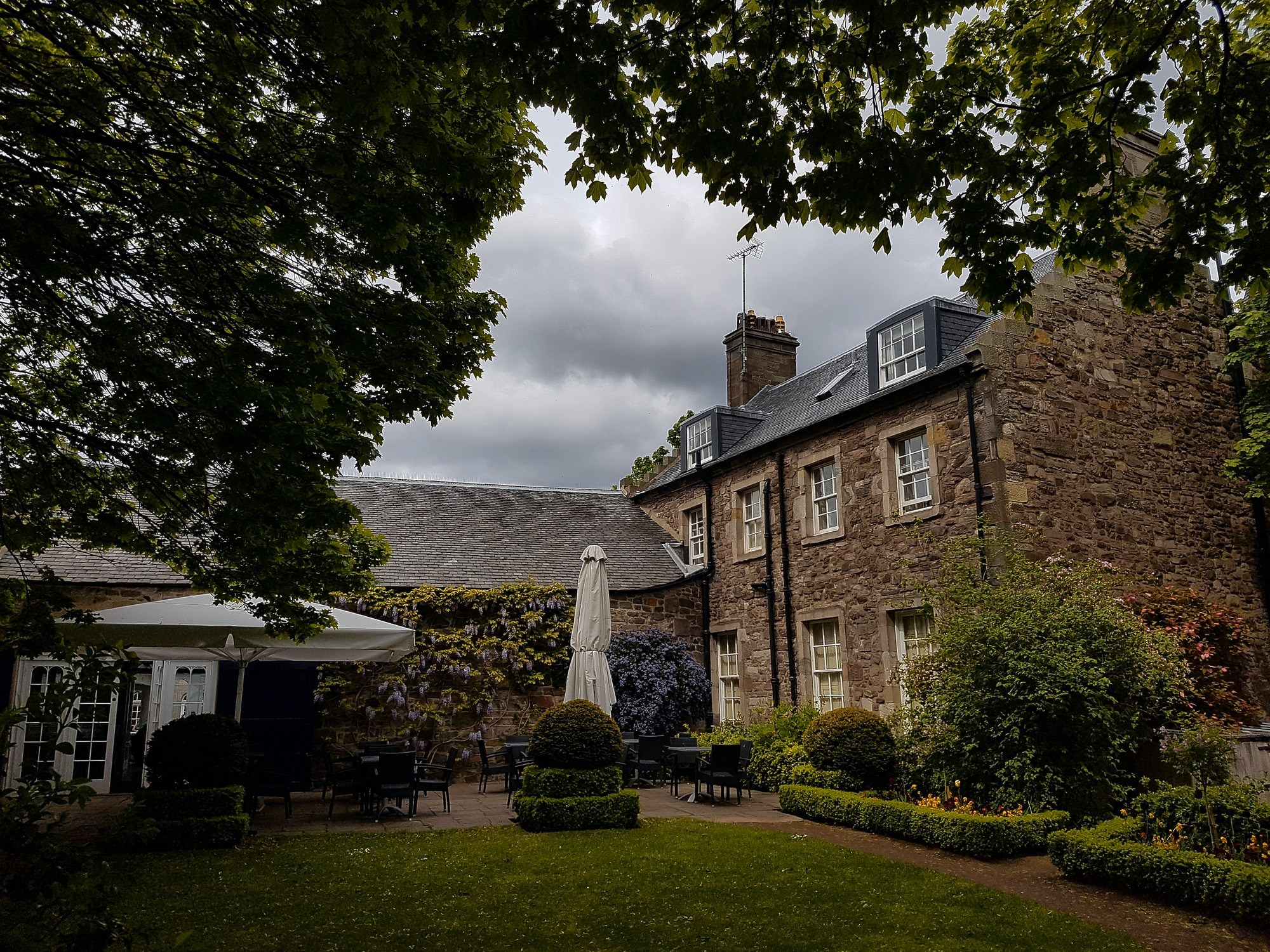
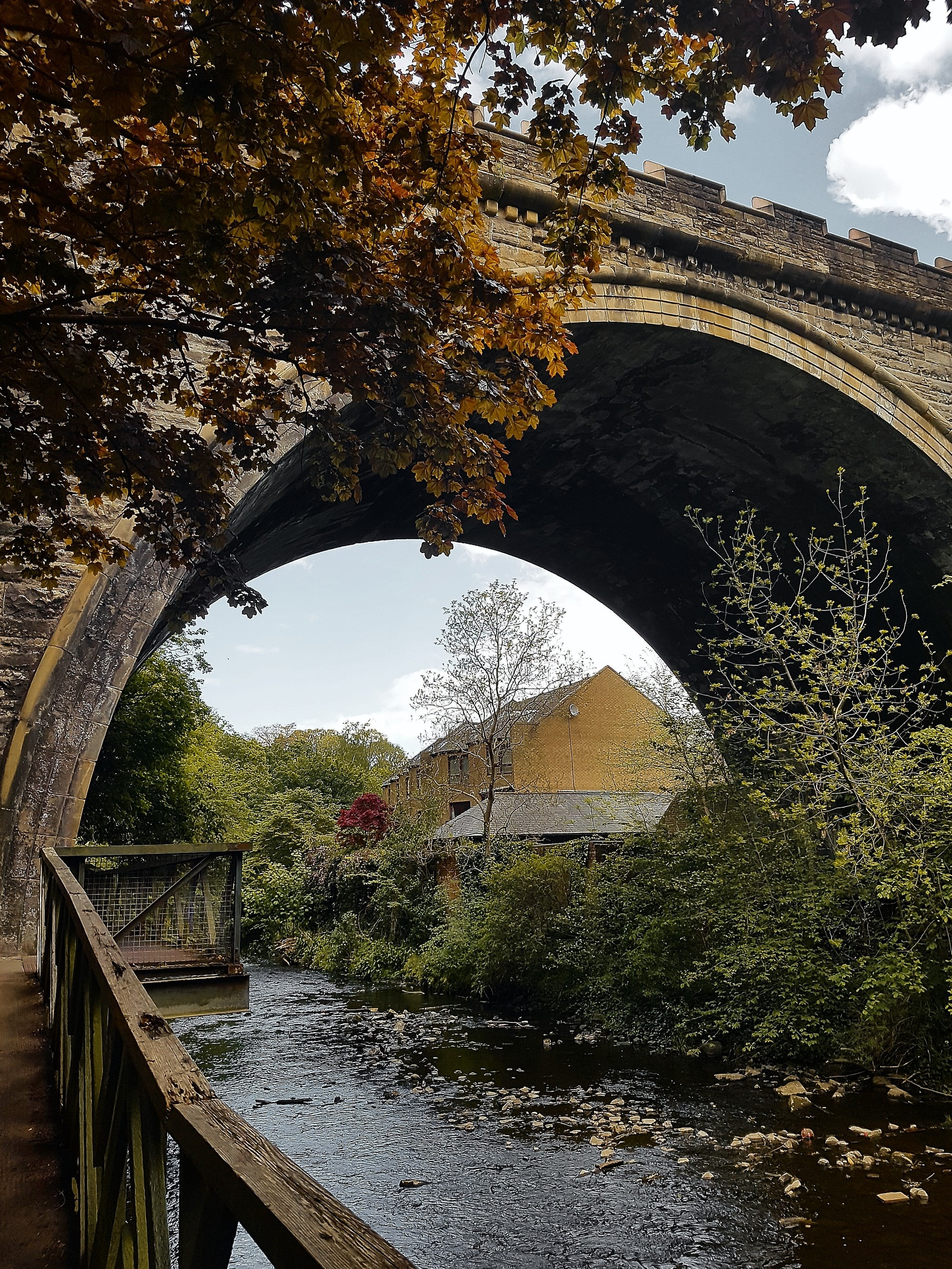
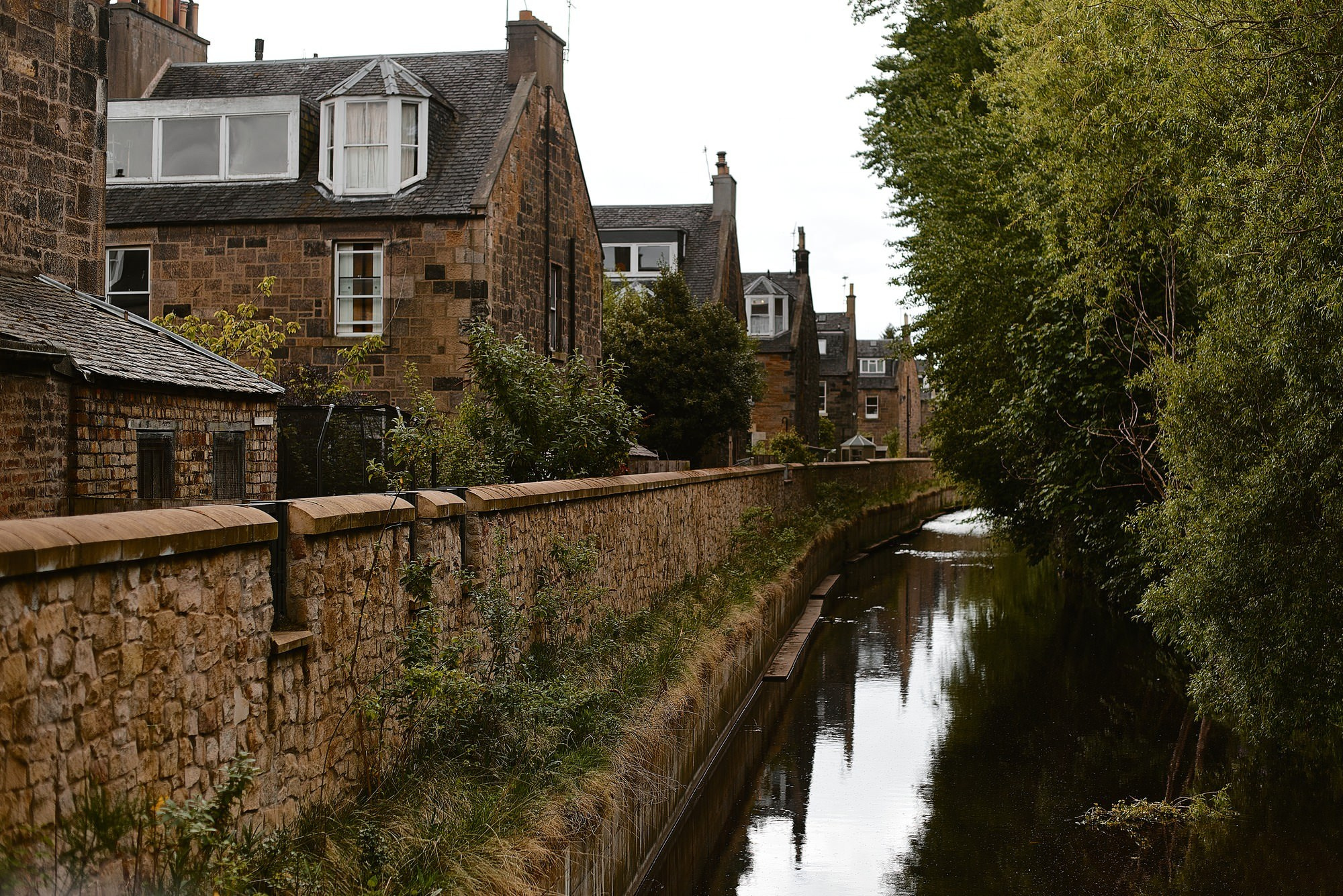
These images were captured across Edinburgh’s Old Town, Holyrood Park and the Royal Mile. If you are a hospitality brand looking for photography that captures the character of your property and the place it belongs to, get in touch.