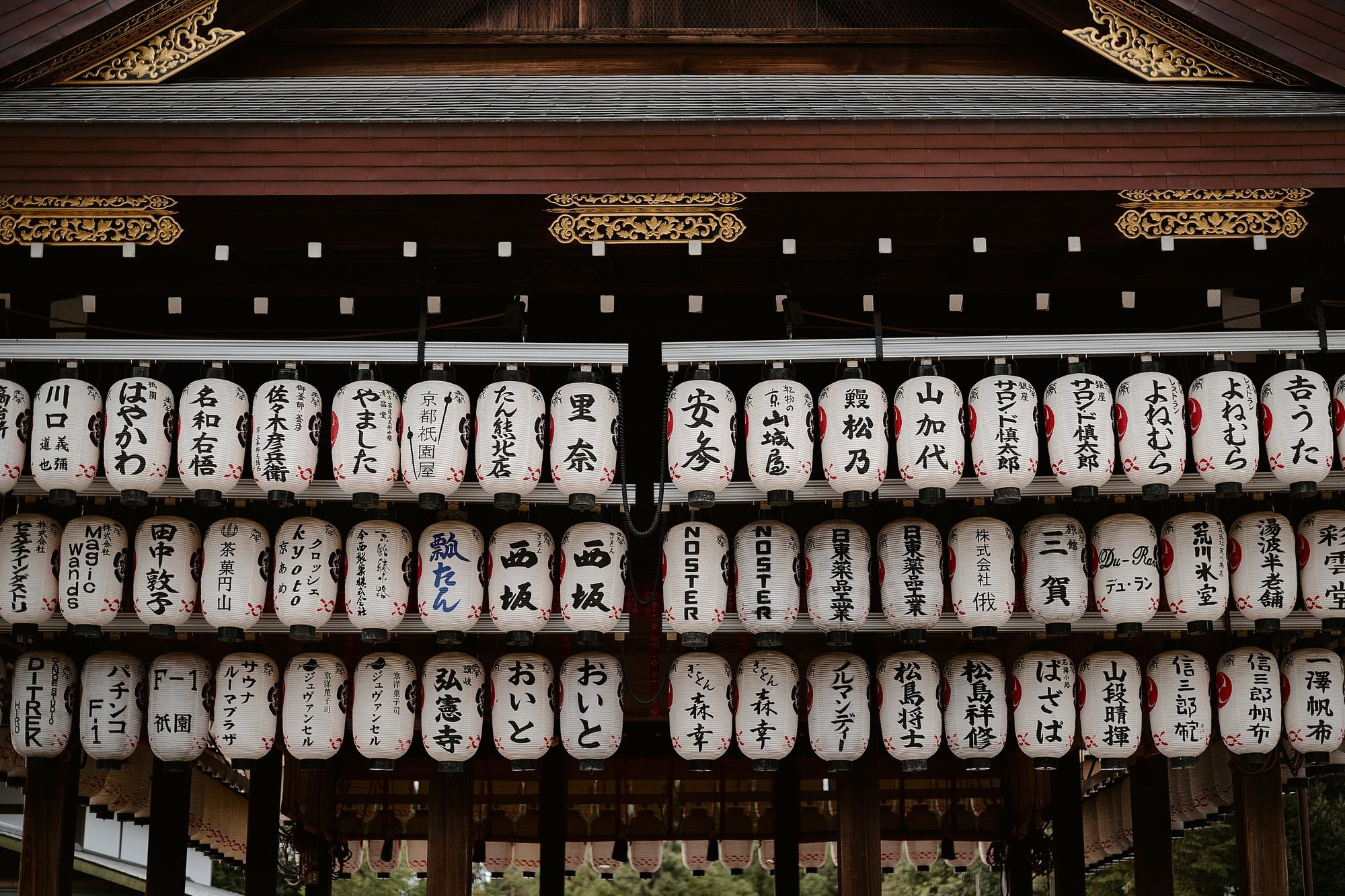
Kyoto is not a city you photograph. It is a city that reveals itself slowly, on its own terms. The light here has a quality unlike anywhere else: soft, diffused, filtered through paper screens and ancient cedar. For a hospitality photographer, Kyoto is a masterclass in atmosphere, in how architecture, light, and human presence come together to create a feeling that no amount of description can replace.
Kiyomizu-dera: Where Architecture Meets the Landscape
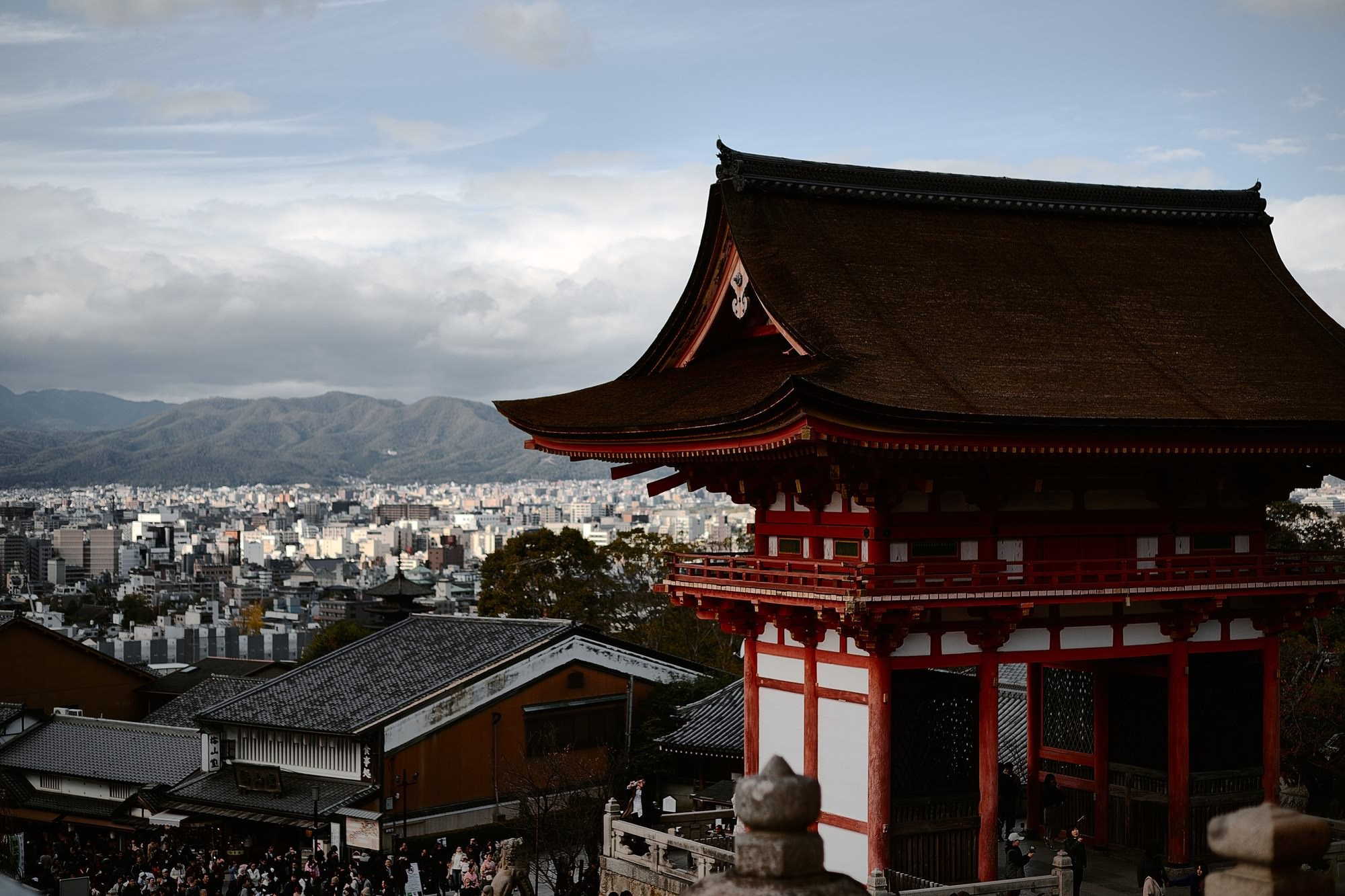
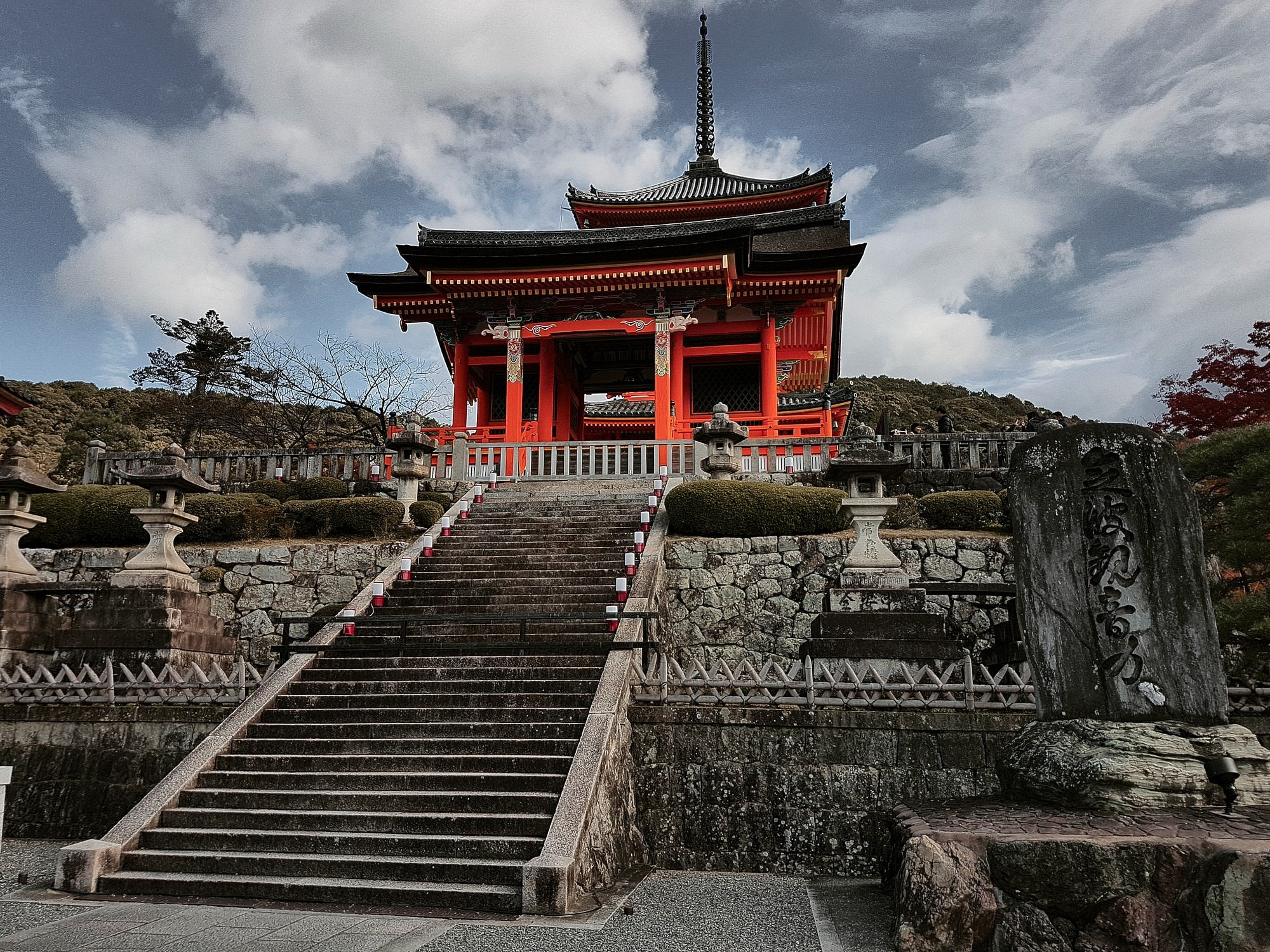
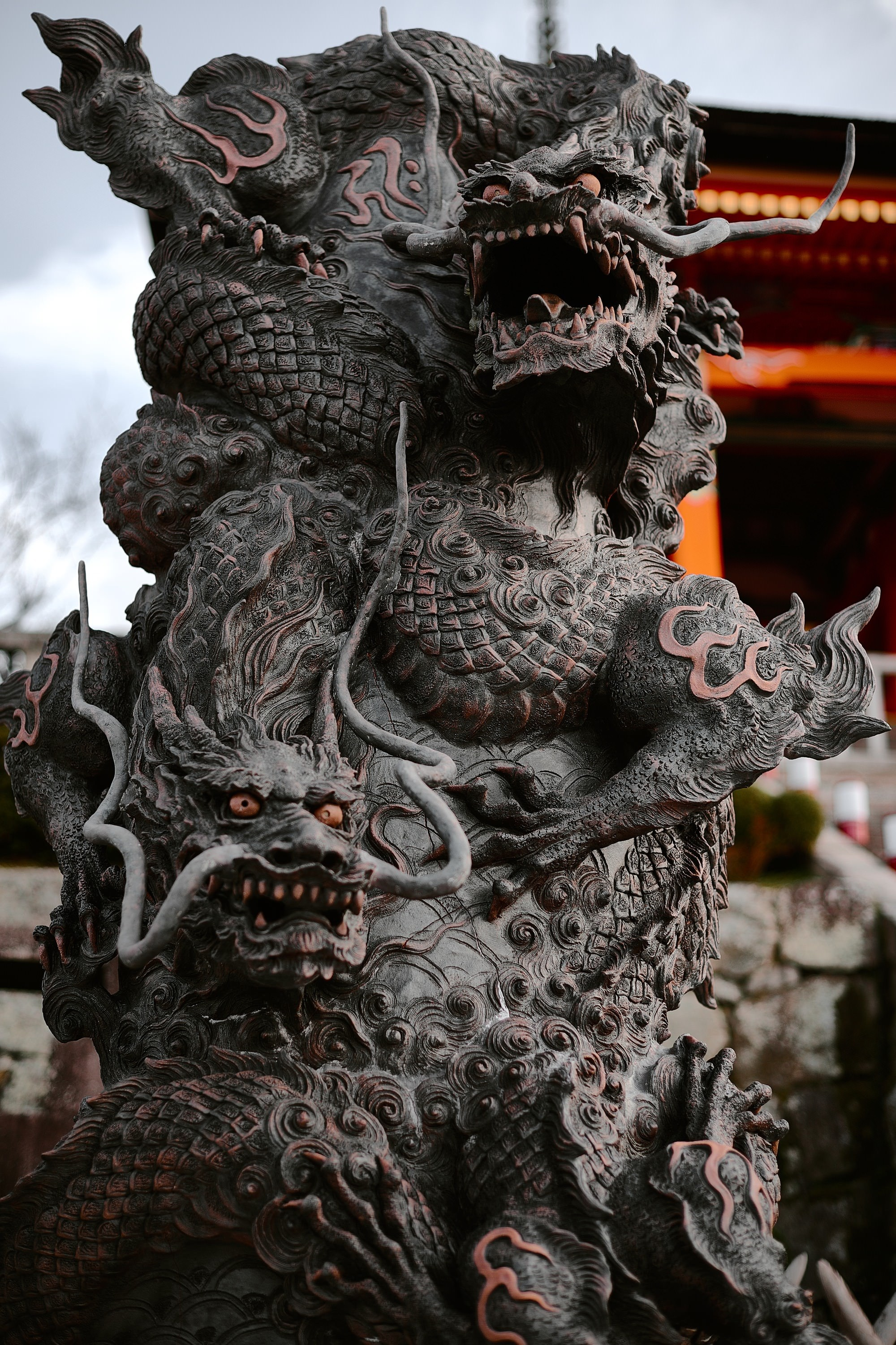
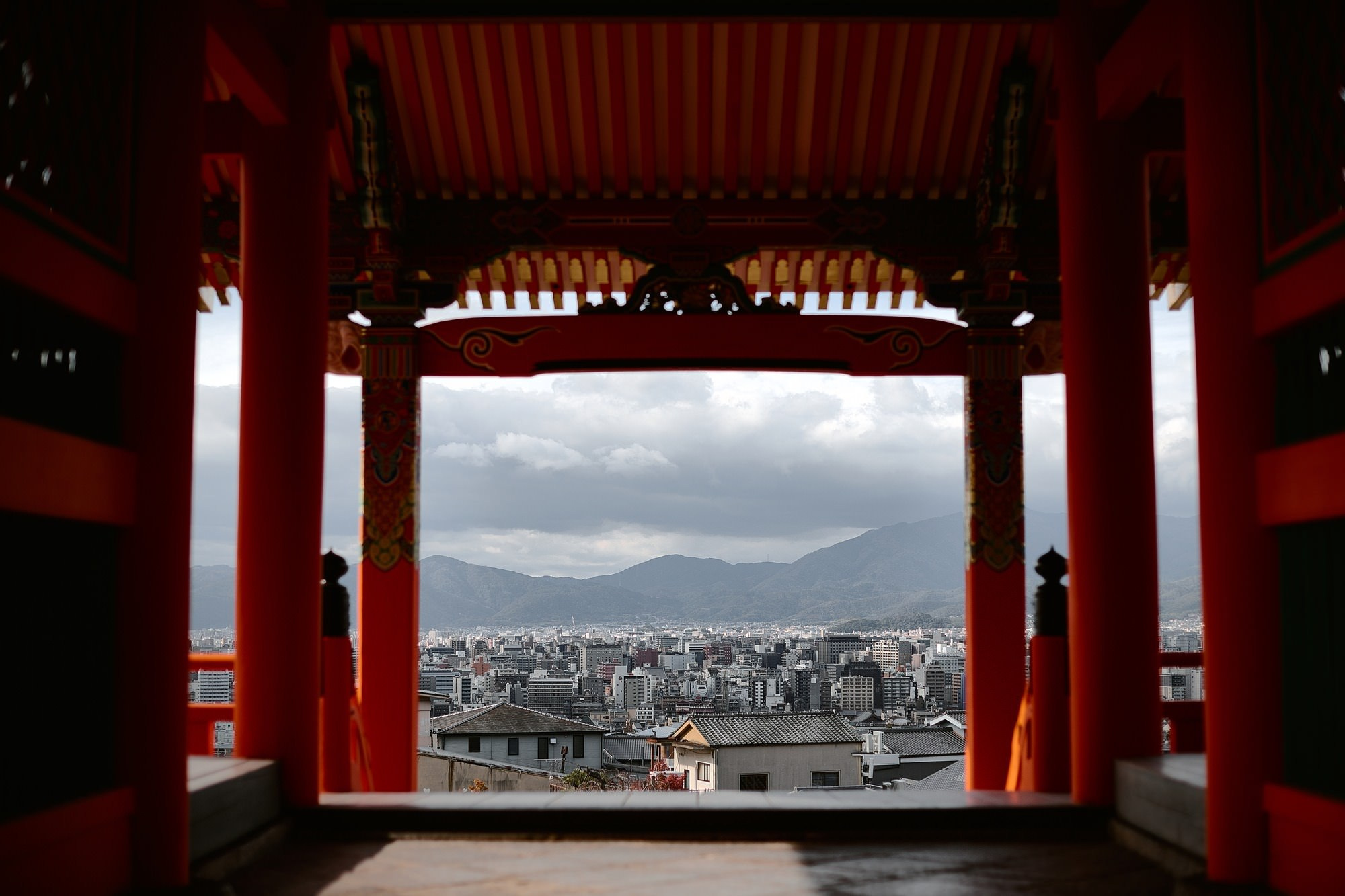
Kiyomizu-dera sits above the city like a promise. The wooden stage, built without a single nail, extends over the valley, framing the cityscape in a way that feels deliberate, almost cinematic. It is the kind of composition that reminds you why the relationship between a building and its surroundings matters as much as the building itself. For hotel and resort photographers, this is a familiar instinct: a property does not exist in isolation. It exists in conversation with its view, its light, its landscape.
Fushimi Inari: The Art of Repetition
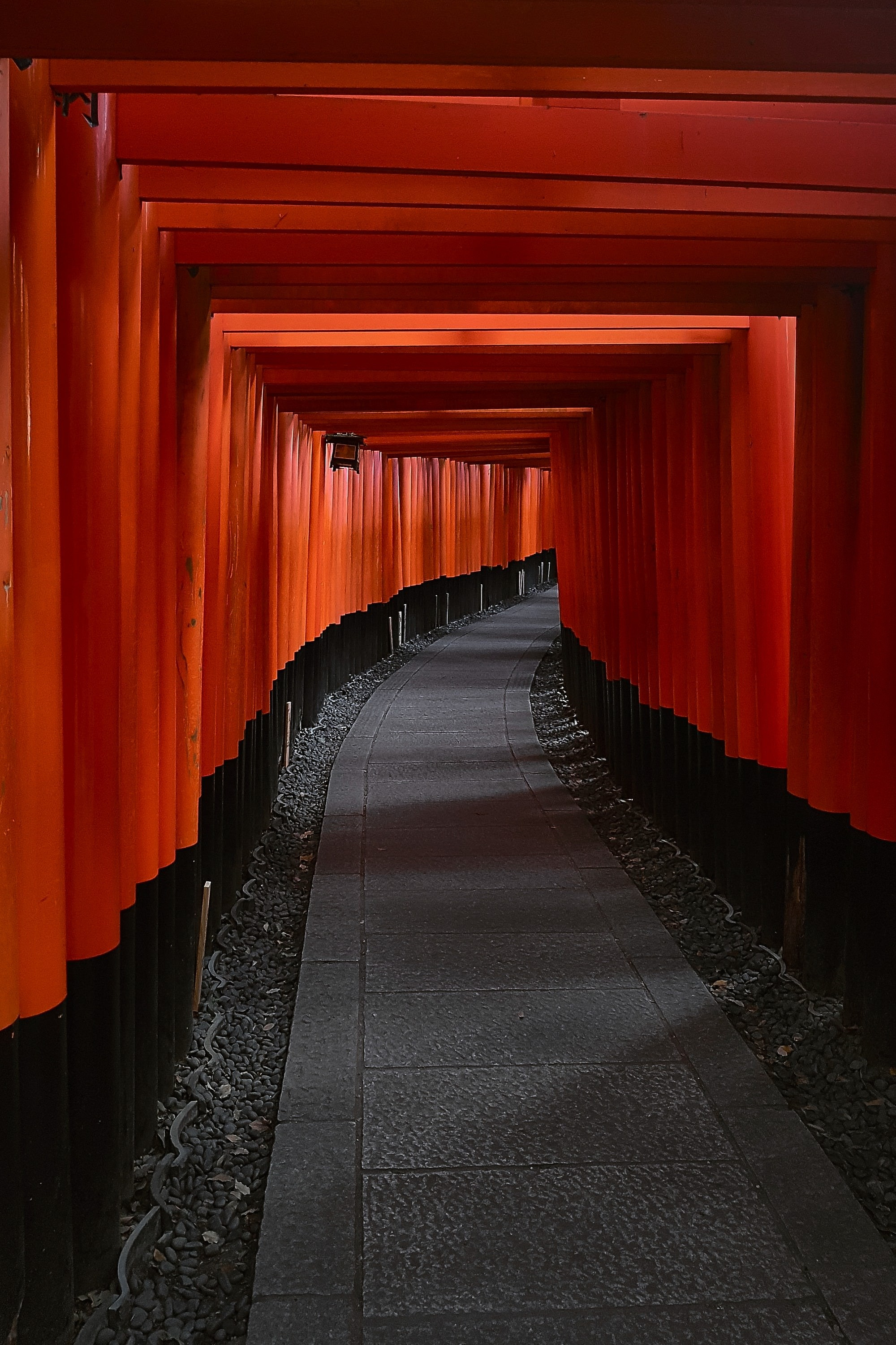
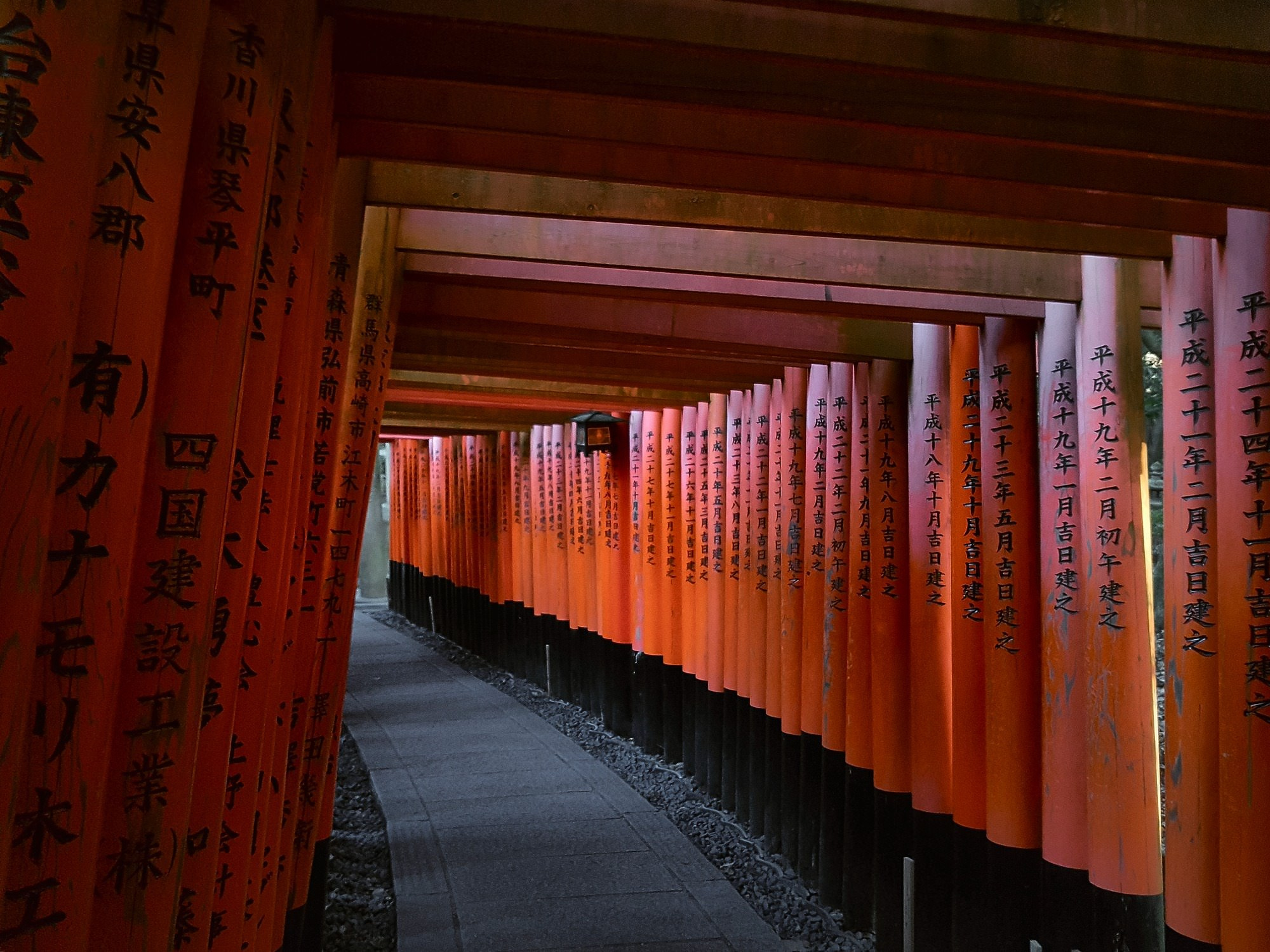
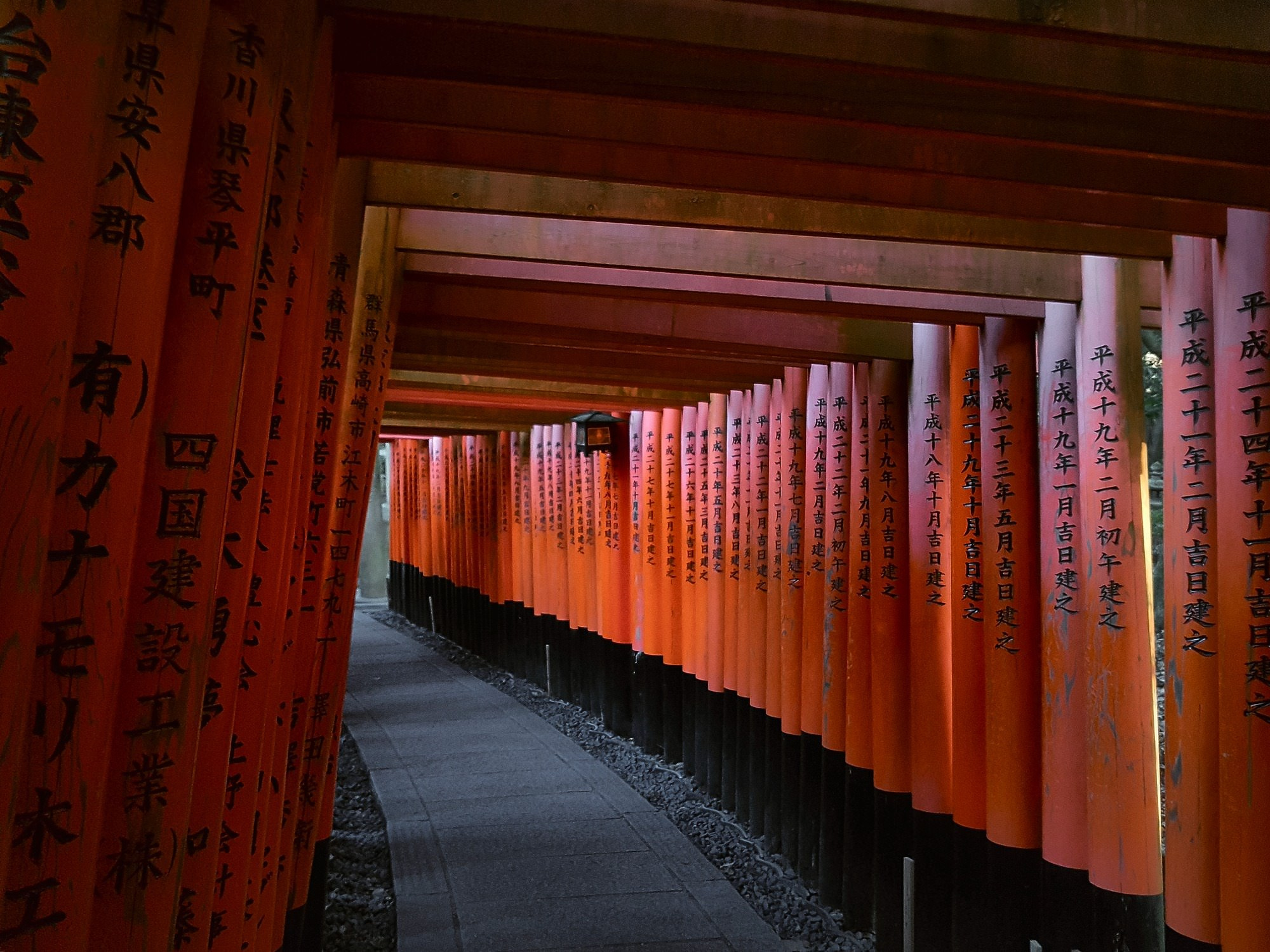
The torii gates of Fushimi Inari are one of the most photographed subjects in Japan, and yet, arriving at dawn before the crowds, they become something entirely private. Ten thousand vermilion gates, each donated by a business or family, creating a tunnel of color and shadow that stretches up the mountain for four kilometers. The lesson here is one every hospitality photographer knows well: repetition, when handled with intention, becomes rhythm. Rhythm becomes mood. Mood is what guests remember long after checkout.
Gion: The Detail That Makes the Difference
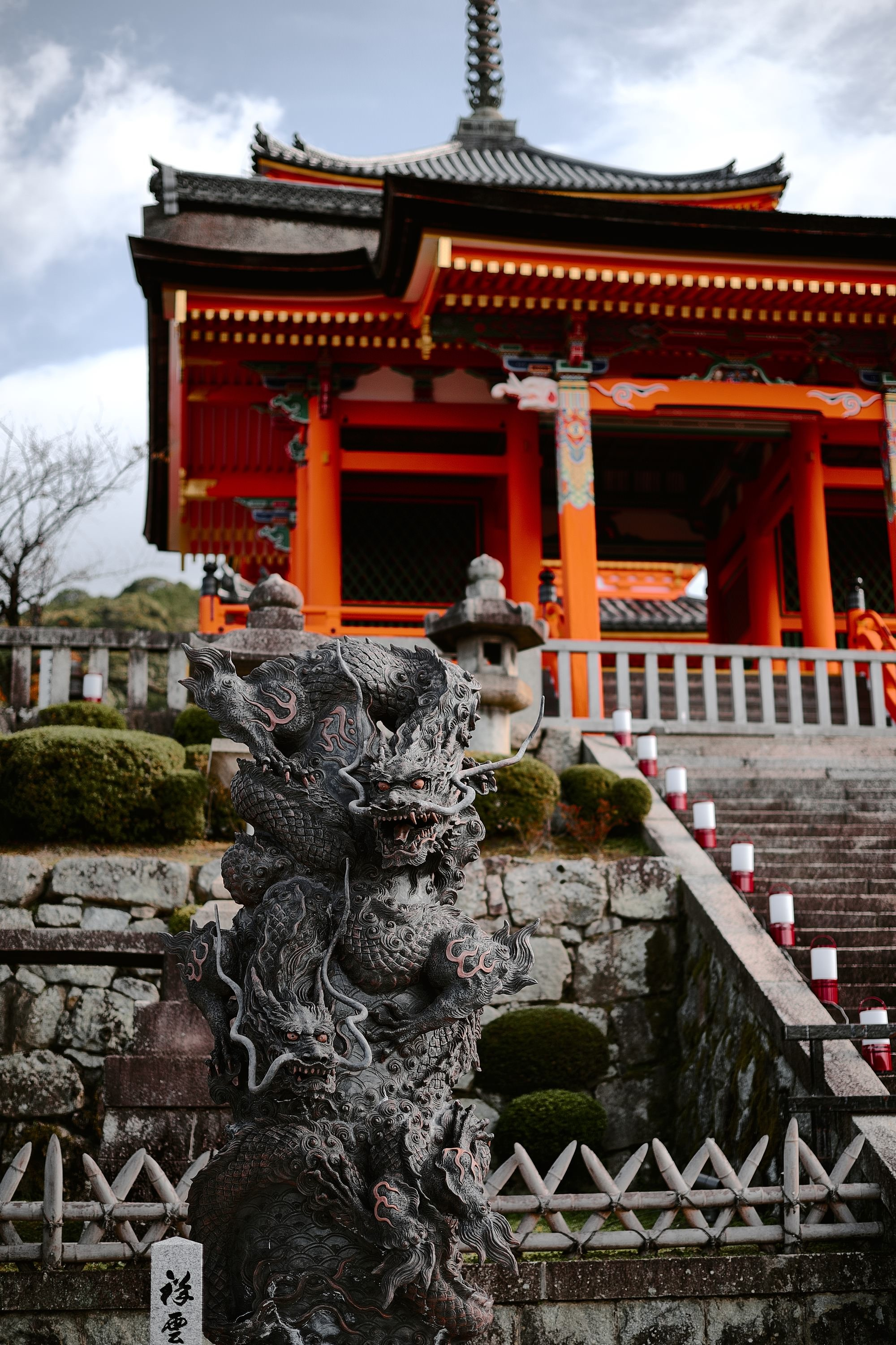
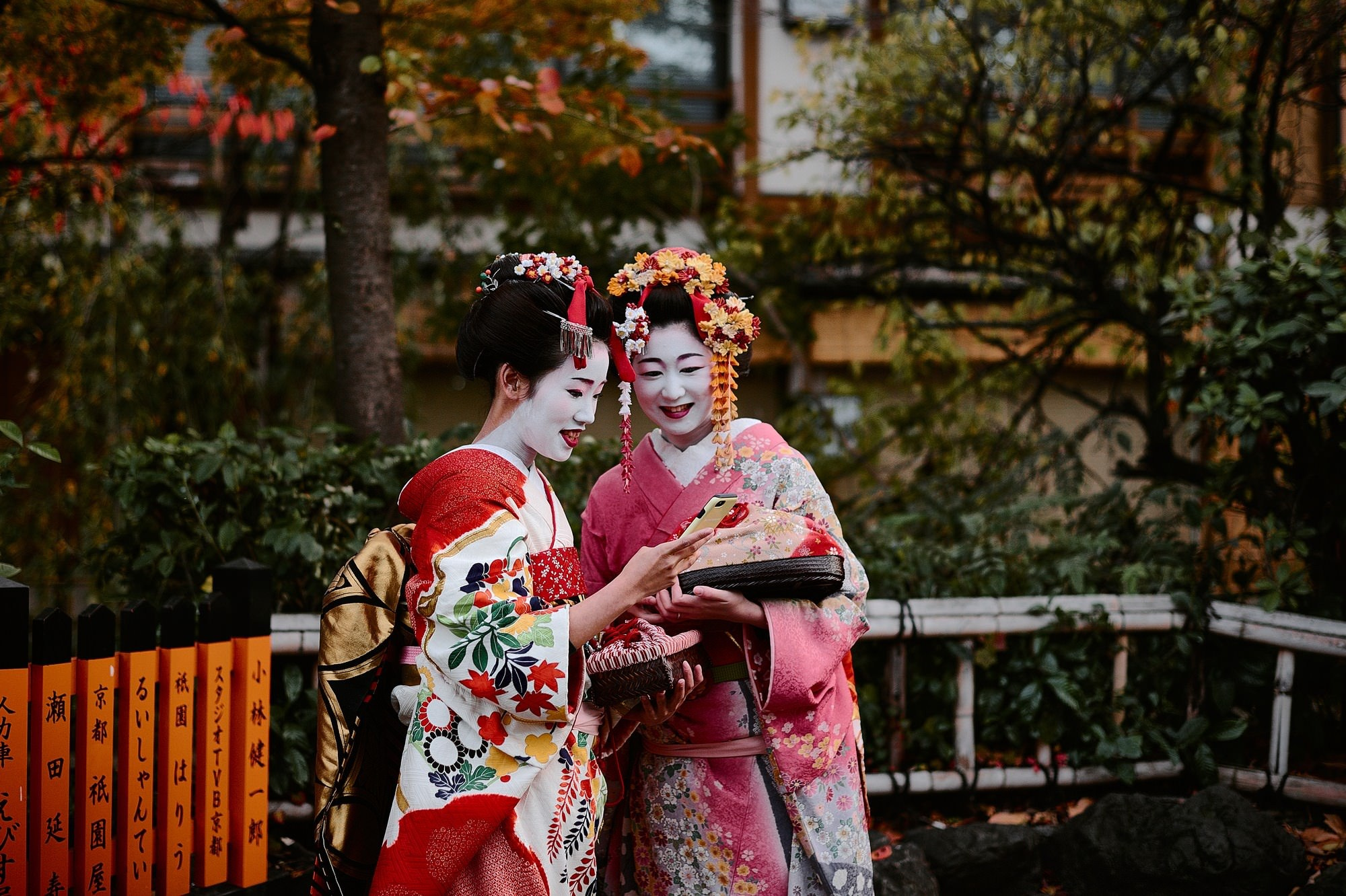
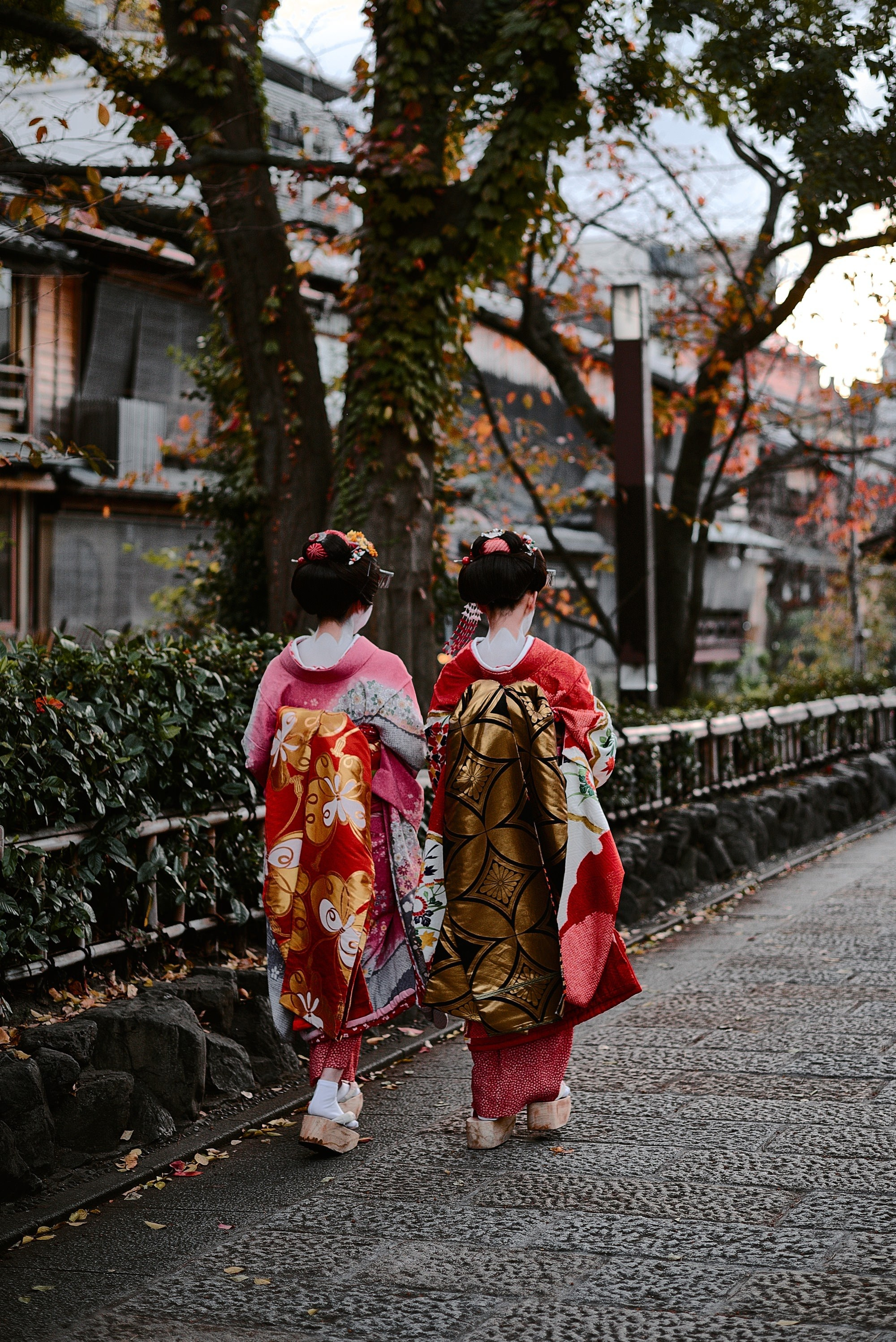
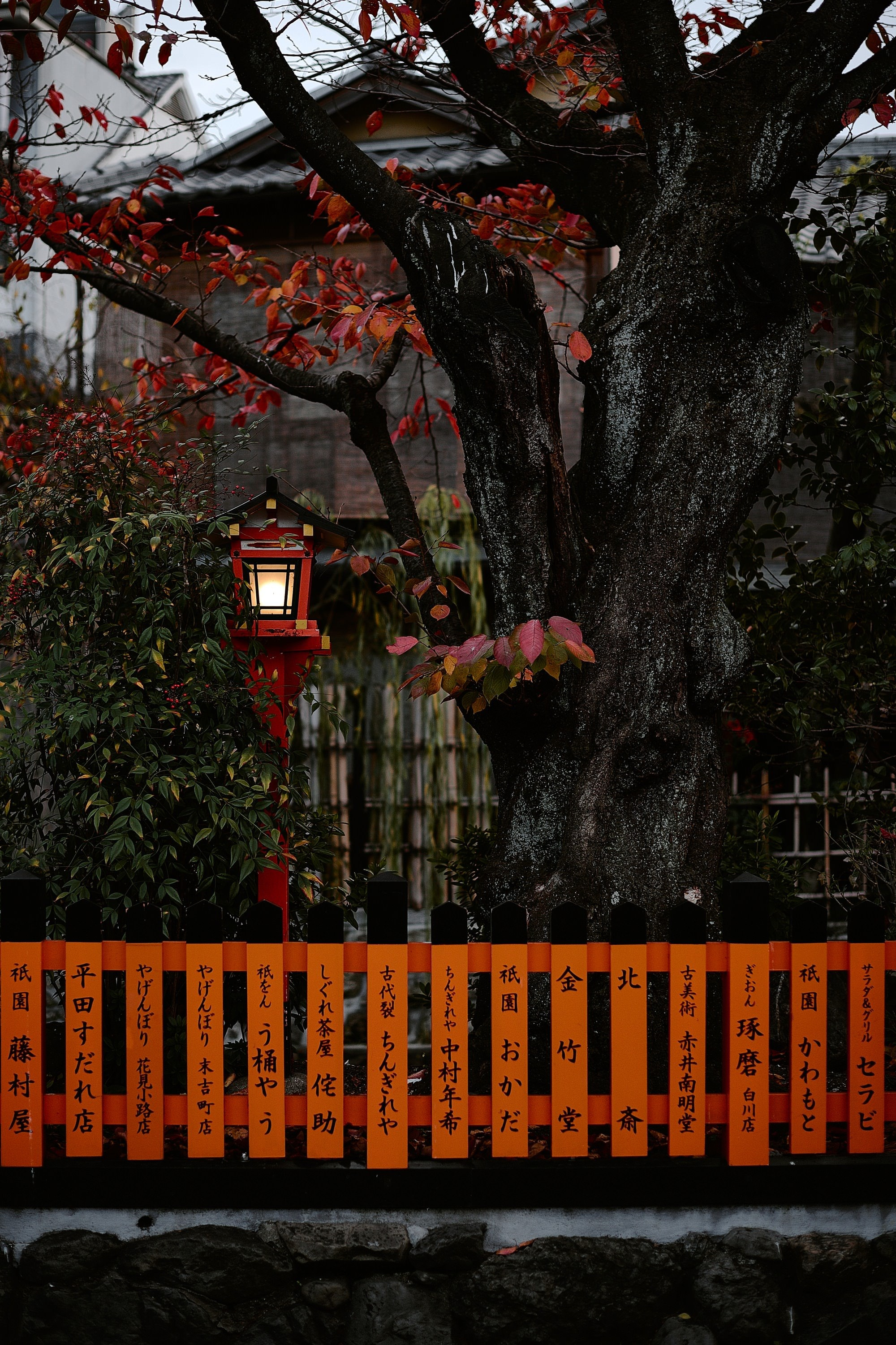
In Gion, Kyoto’s historic geisha district, the details are everything. The worn wood of a machiya facade. A single paper lantern glowing amber against the dusk. The sound of wooden sandals on cobblestone. These are not decorative elements. They are the entire experience. The best hotel photography works the same way: it is not the grand lobby shot that sells a stay, but the steam rising from a cup of tea beside a window, the texture of hand-stitched linen, the way afternoon light moves across a tatami floor.
Arashiyama: Light, Texture, and the Bamboo Forest
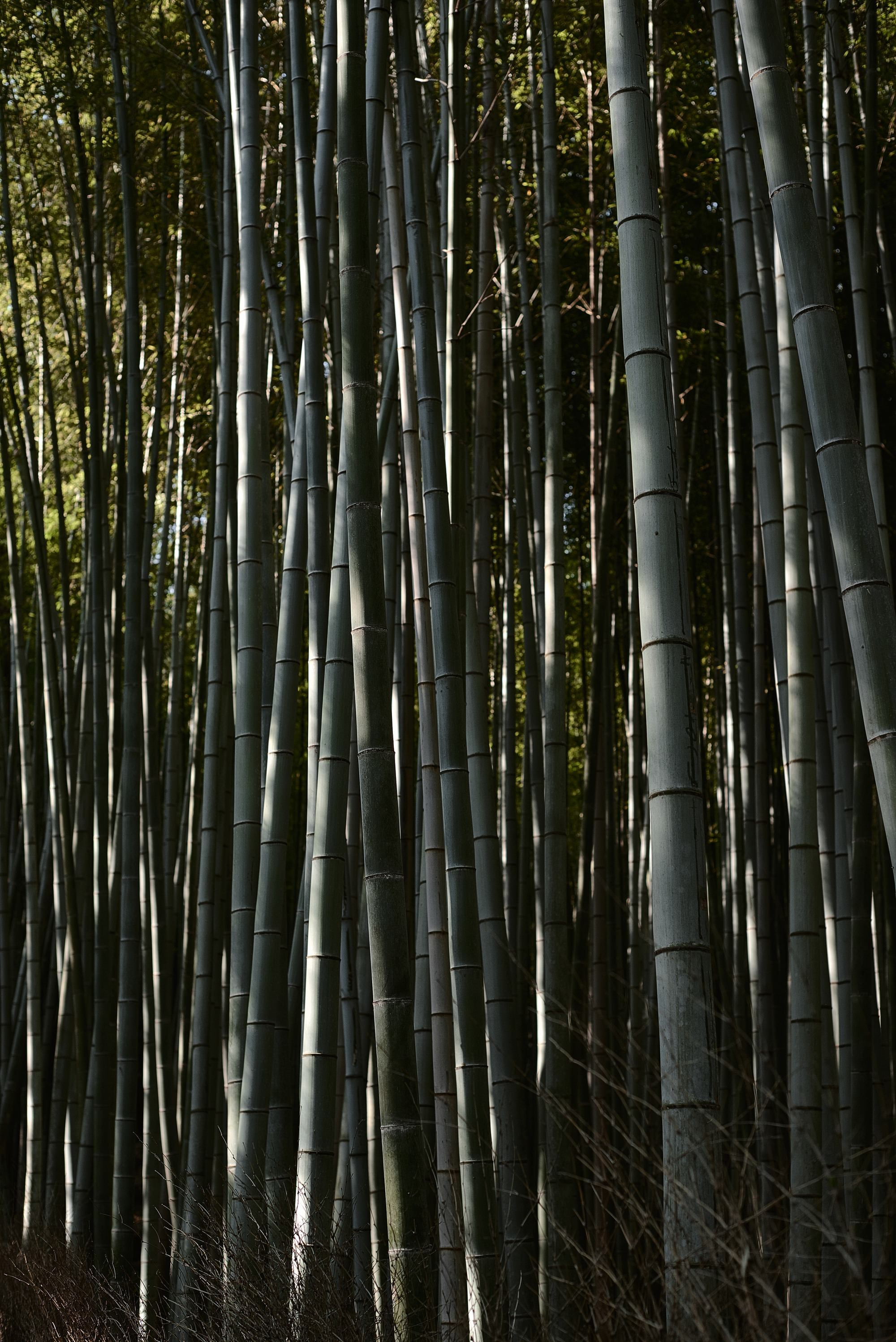
The bamboo forest of Arashiyama is best experienced and photographed in the hour after dawn. The light filters green through the canopy, the stalks creak softly in the wind, and the path narrows to something intimate and otherworldly. Later in the day, the same path becomes crowded and flat. Timing is everything in travel photography, just as it is in hospitality: the difference between an ordinary moment and an extraordinary one is often just a matter of being there at the right hour.
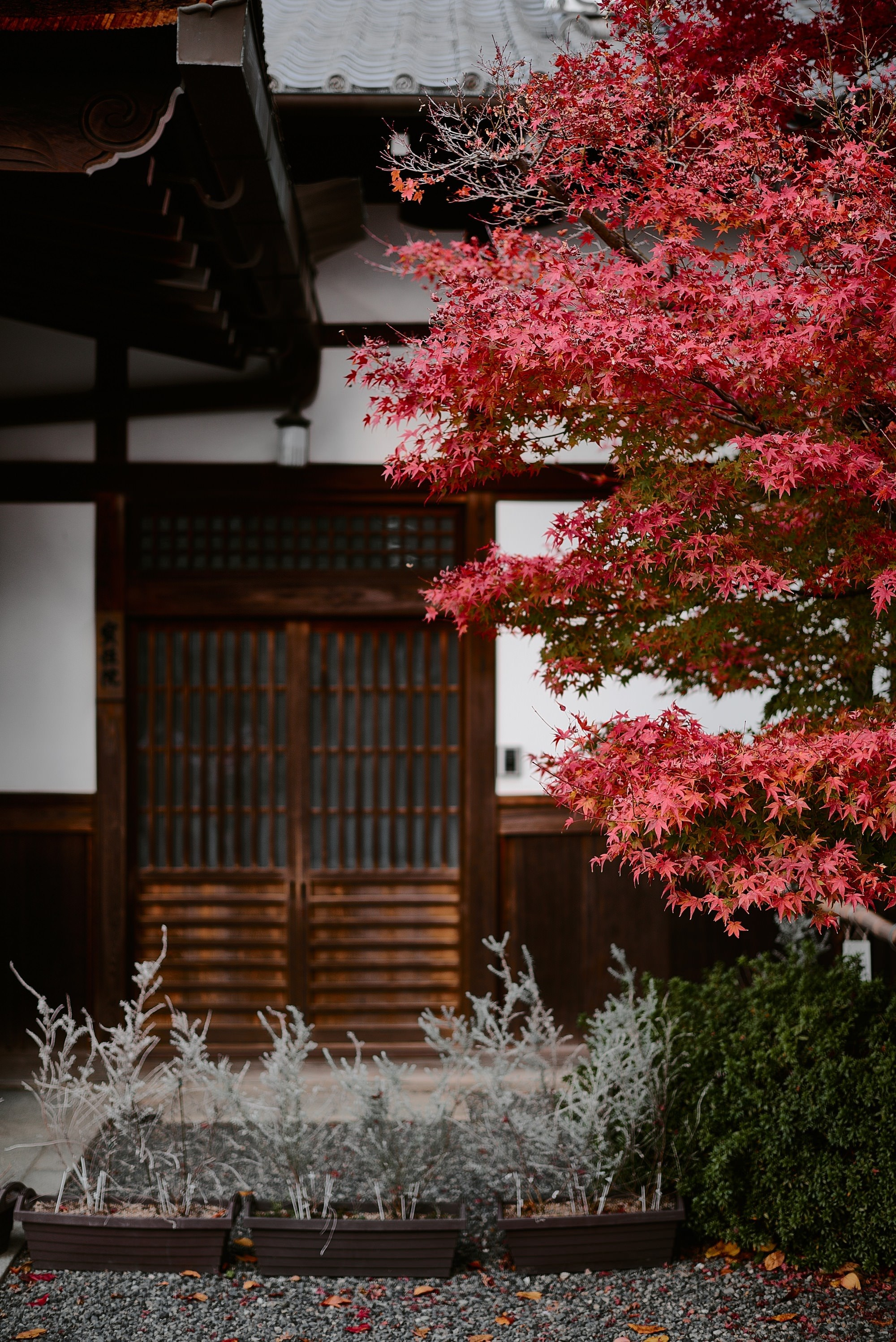
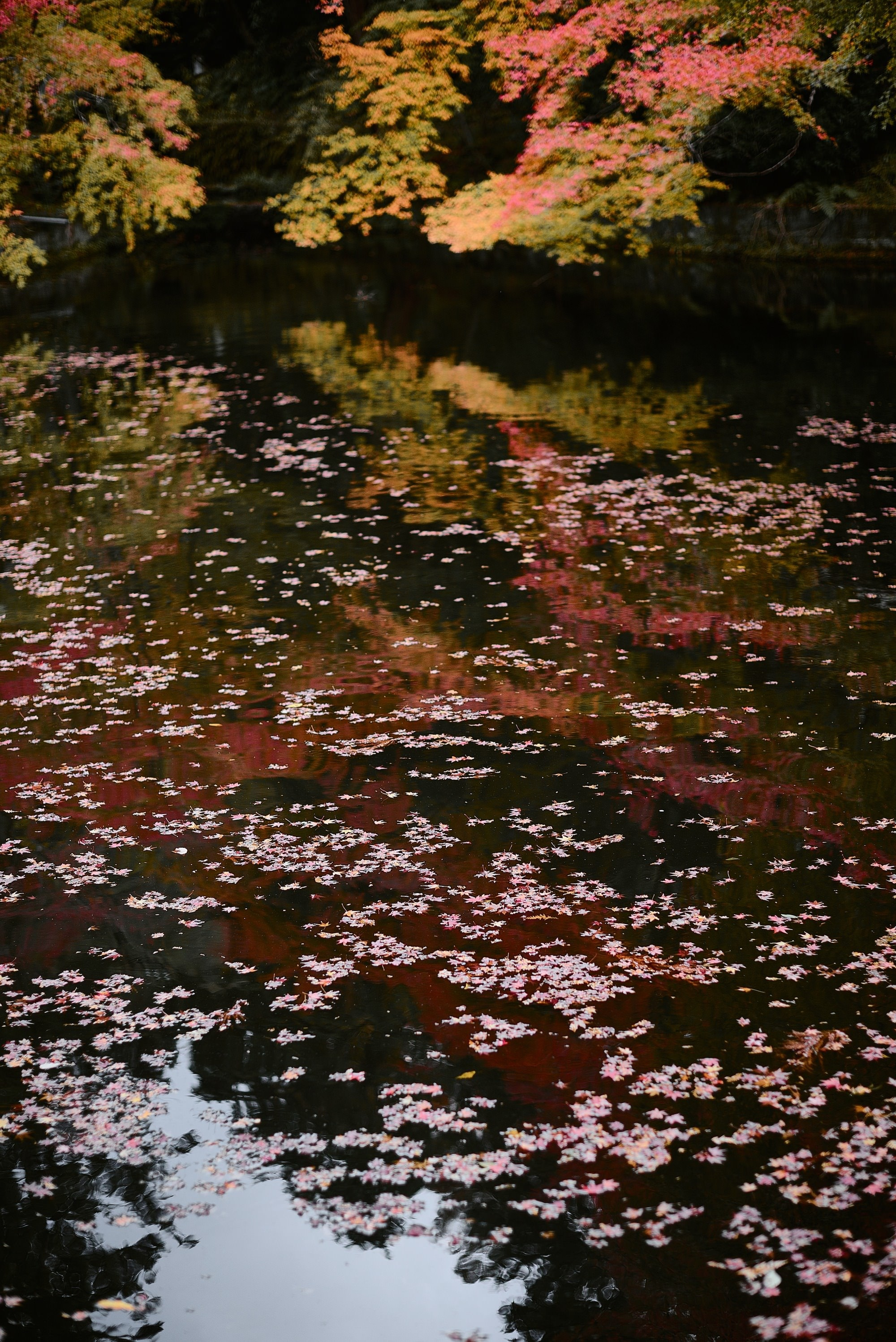
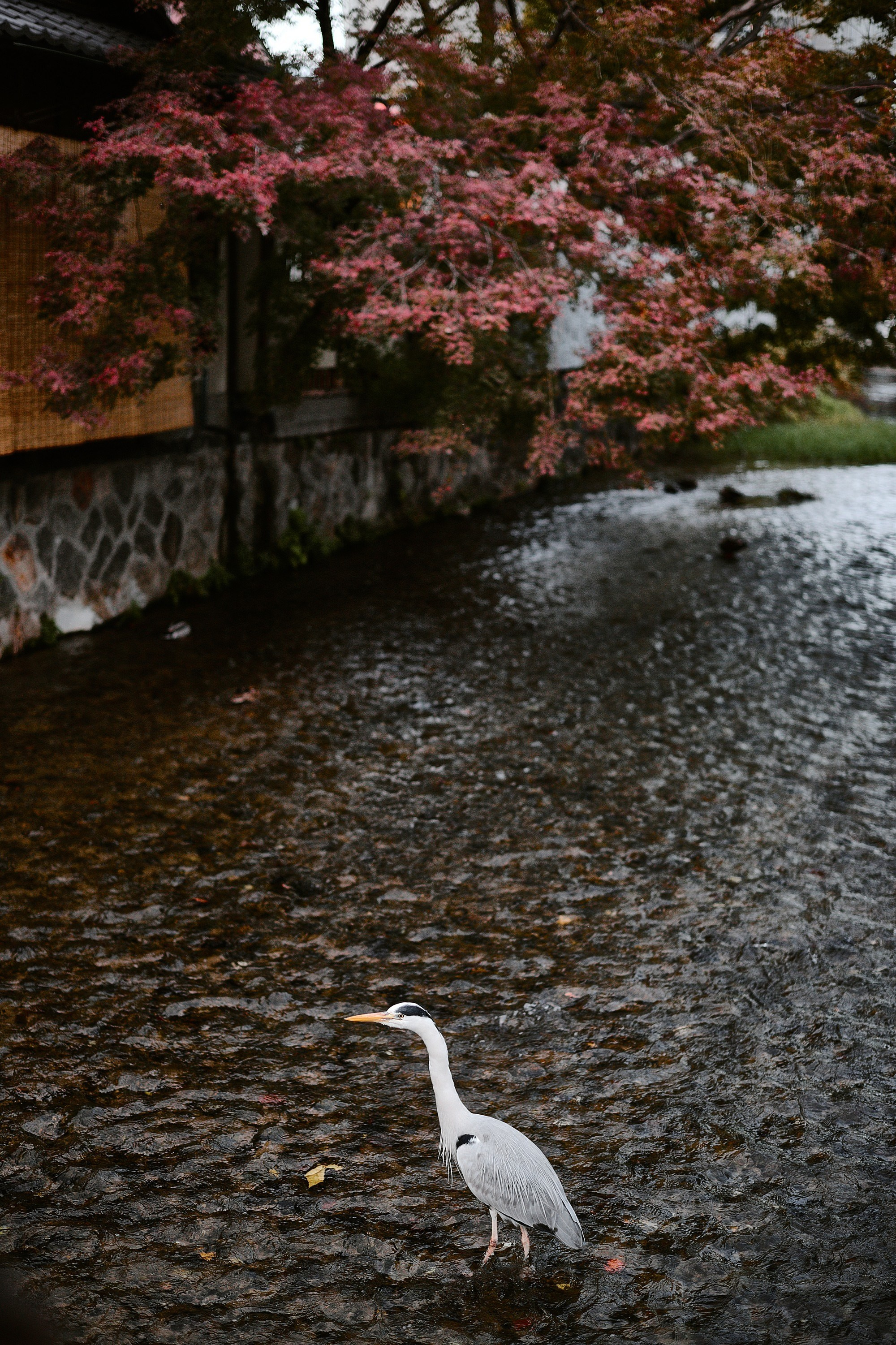
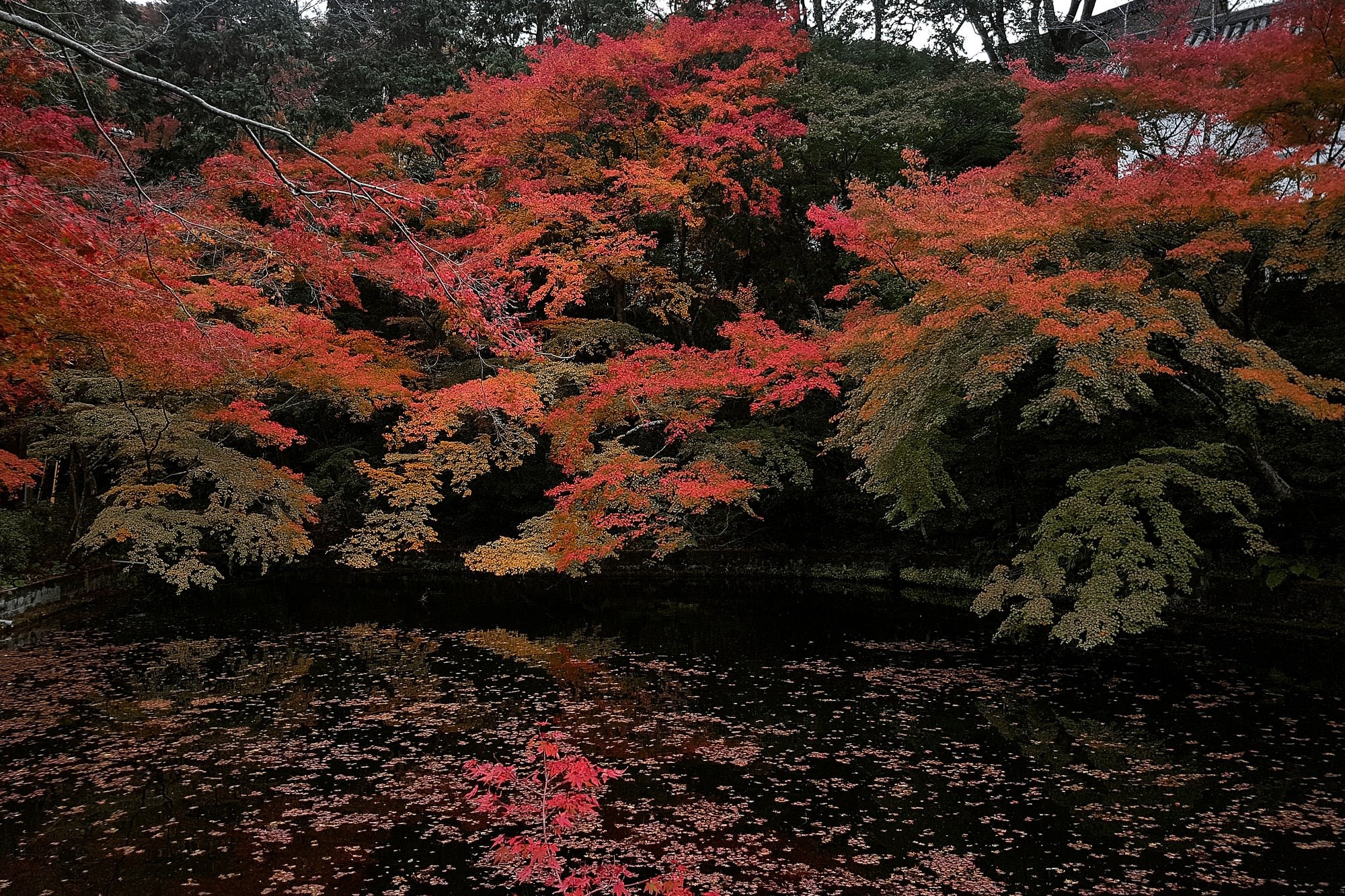
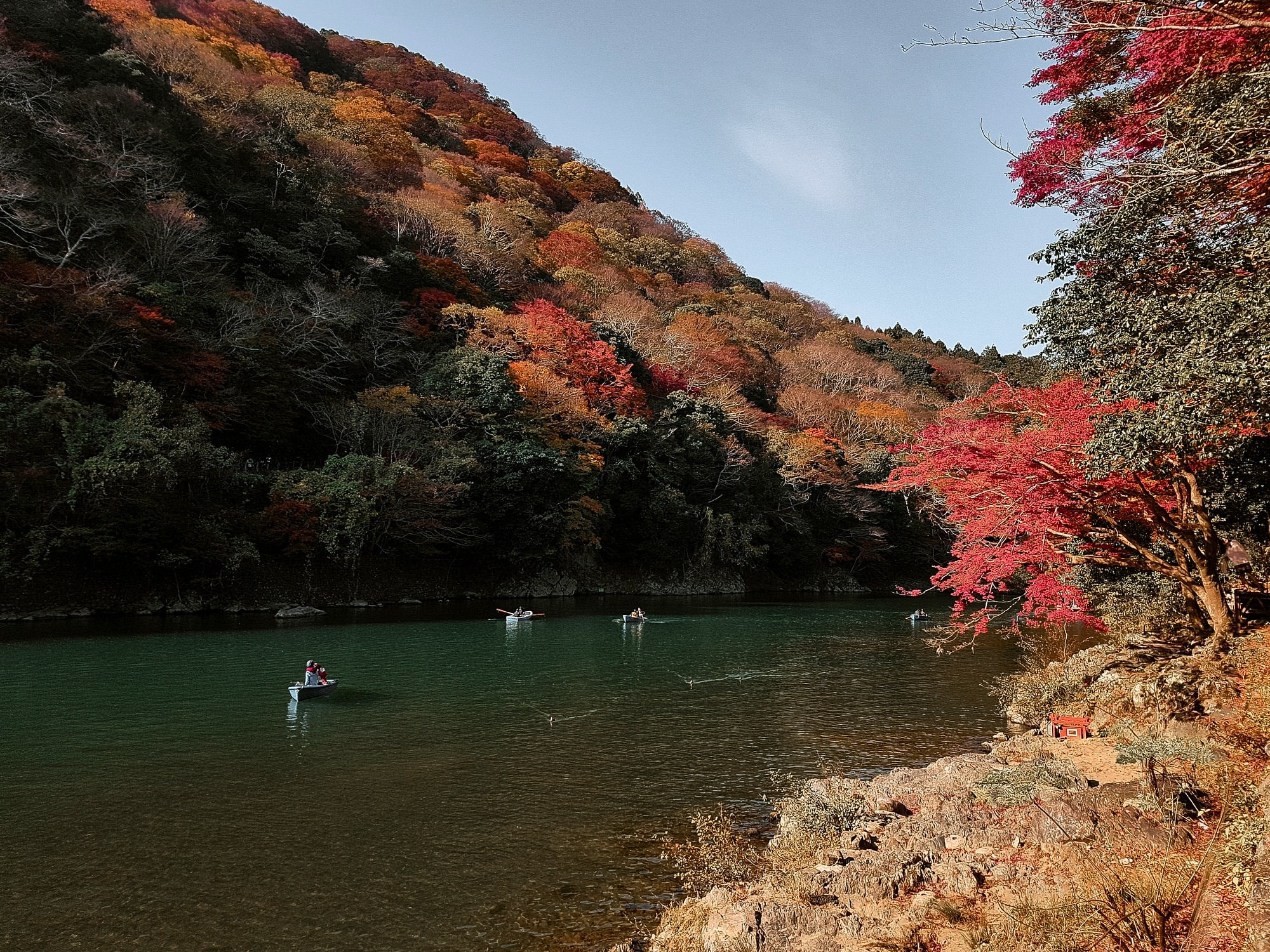
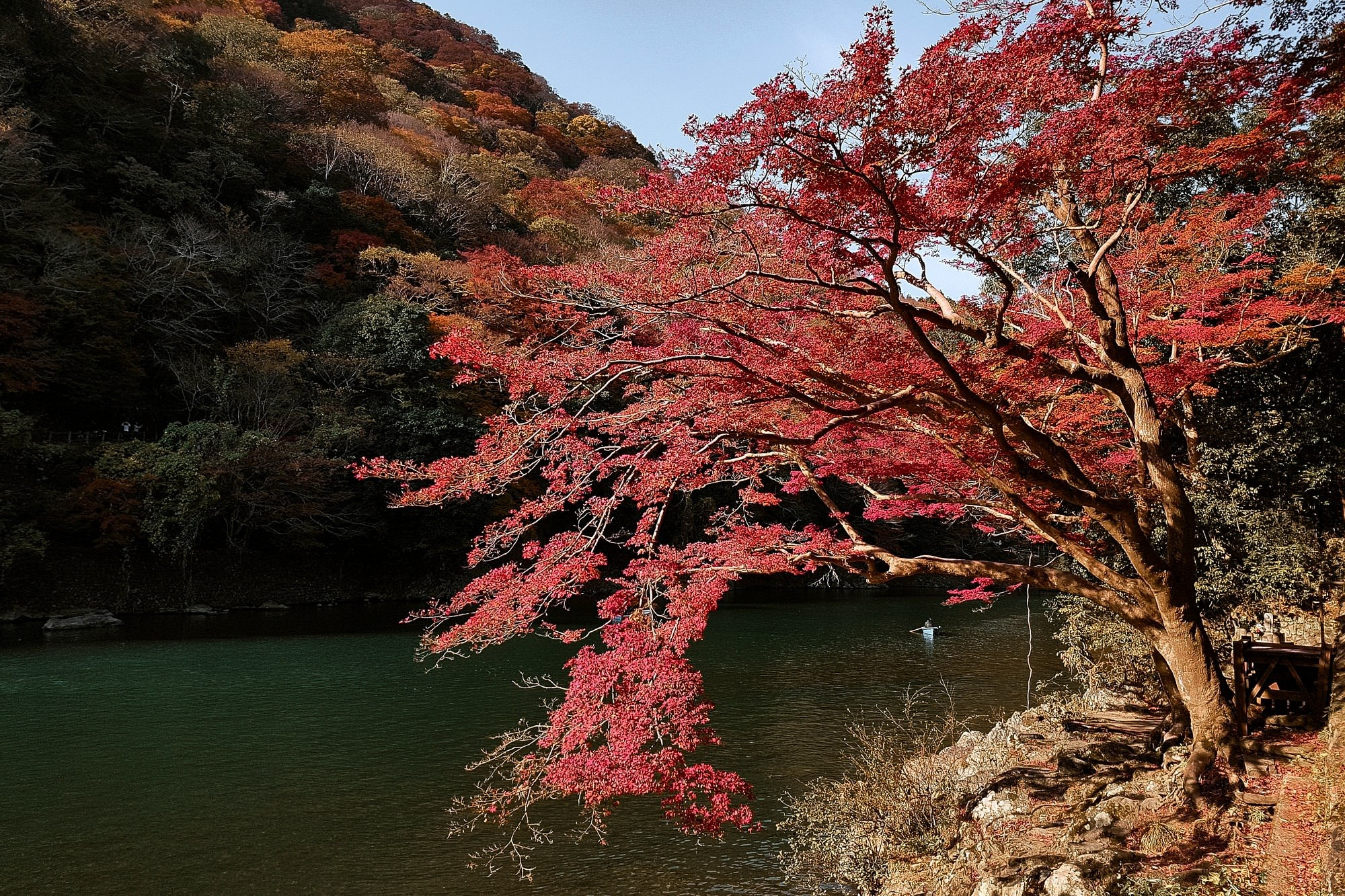
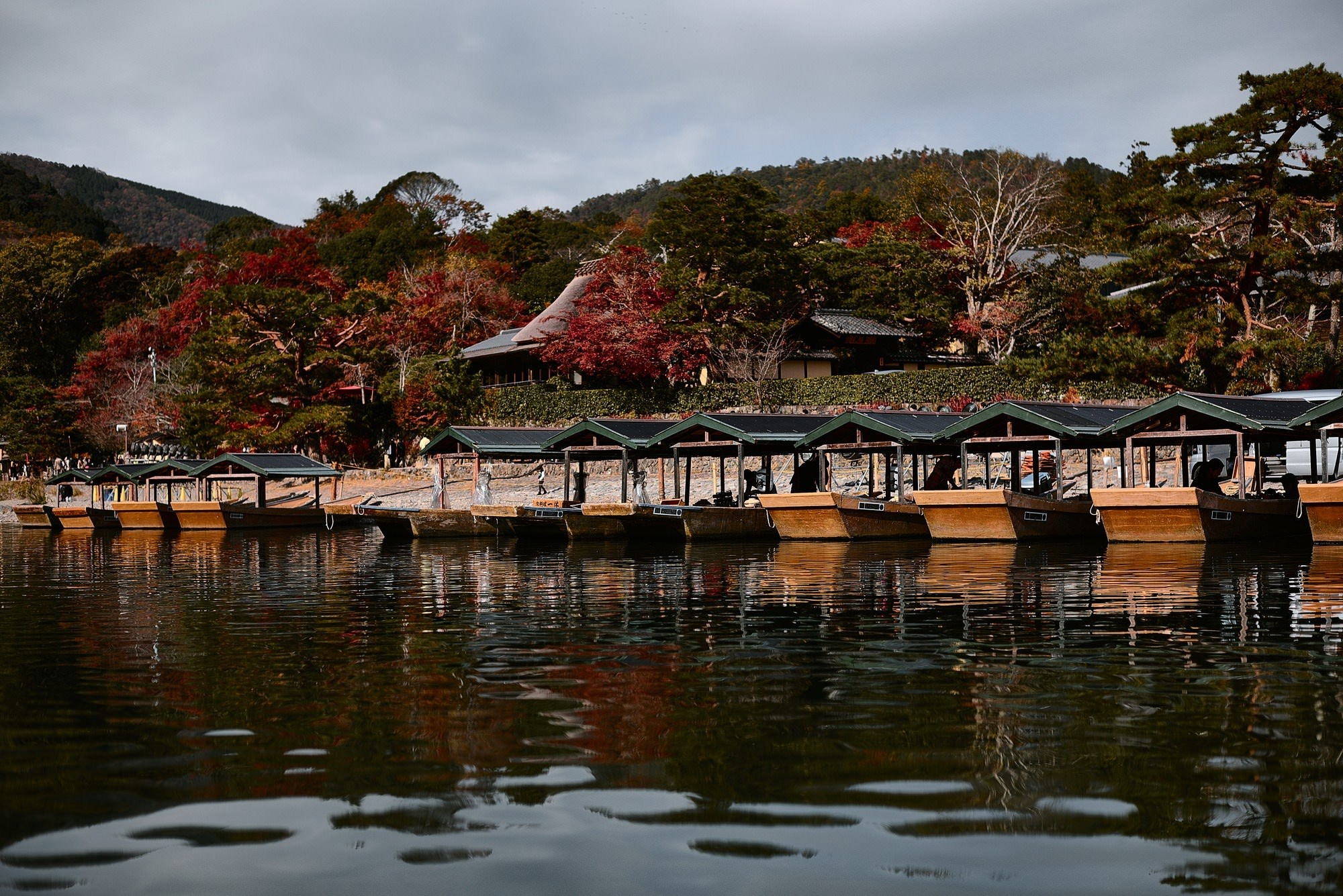
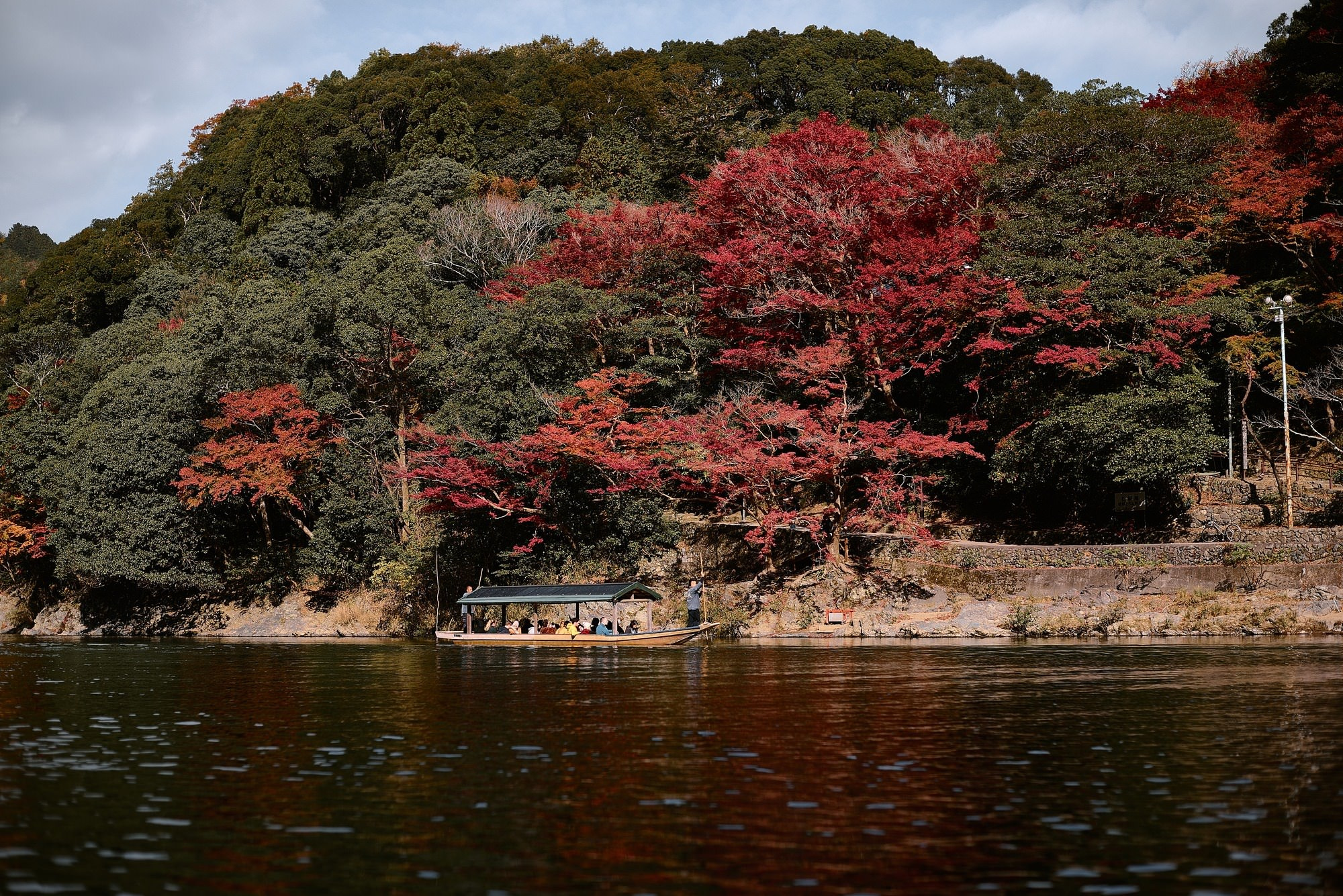
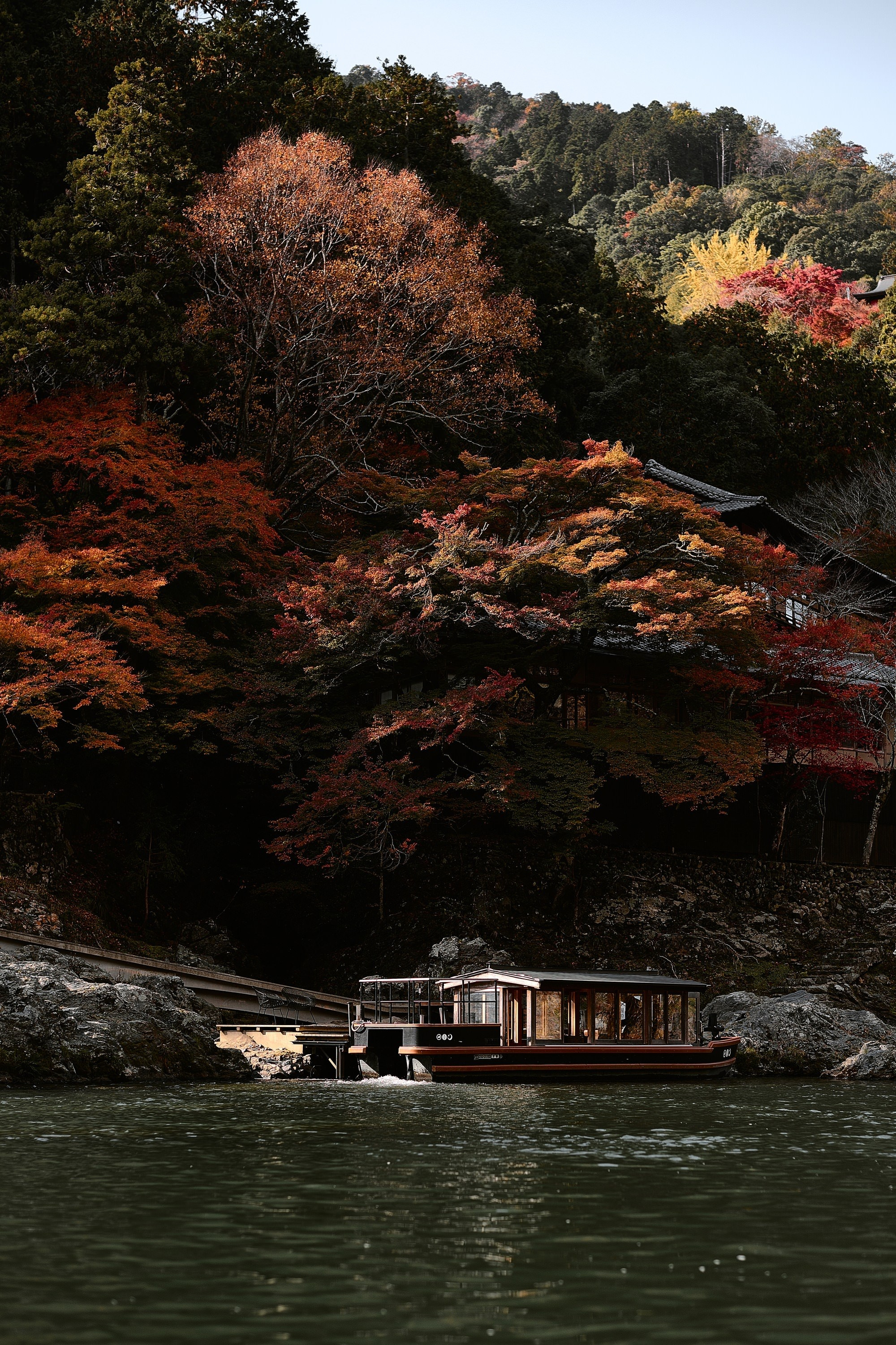
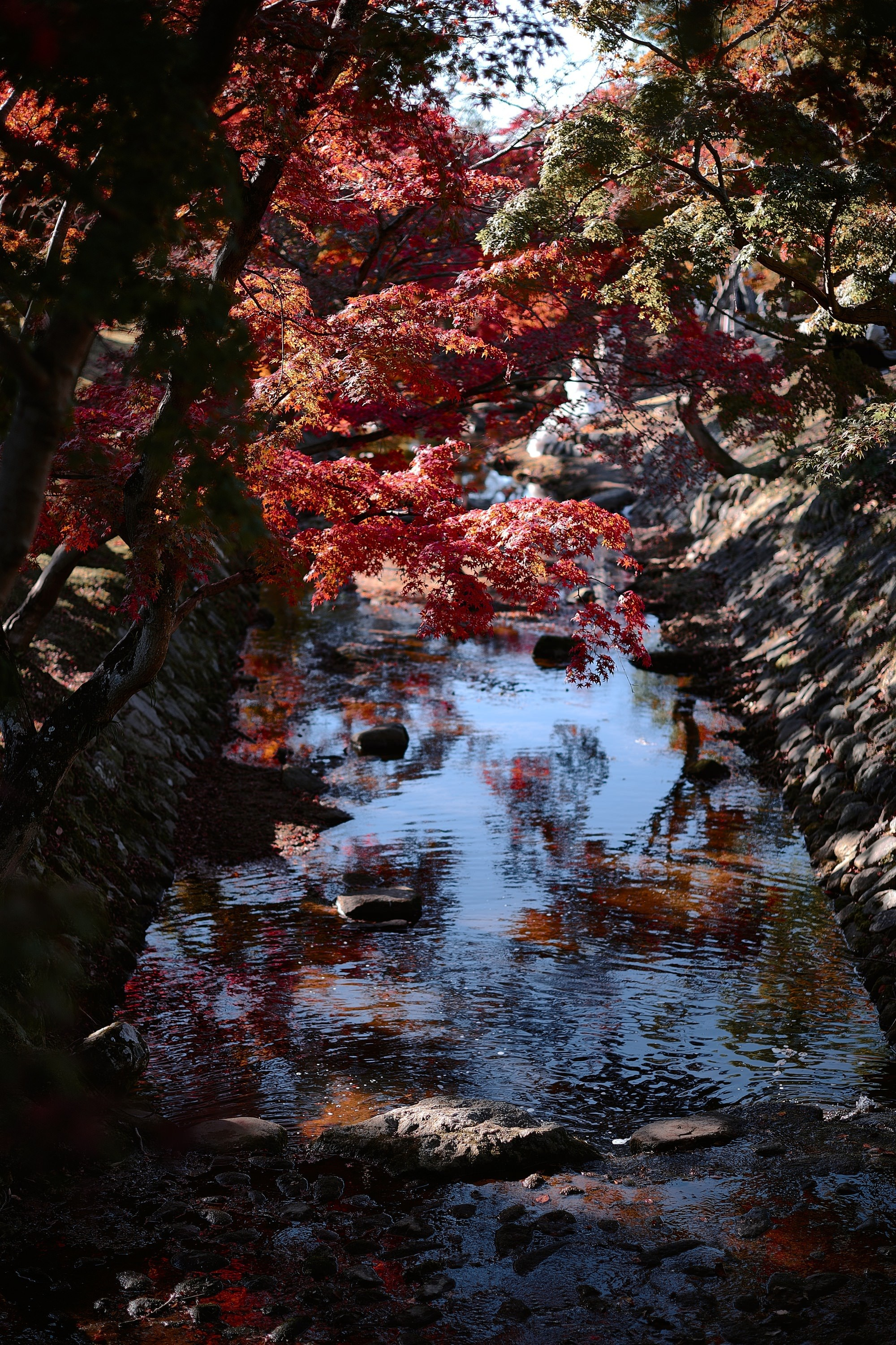
In autumn, Arashiyama transforms entirely. The Hozu River mirrors the maple canopy above it in deep orange and red, a landscape so composed it looks curated. The Japanese call it koyo, the turning of the leaves, and plan around it with the same deliberateness a good hotel plans around its guest experience: every element considered, every moment intentional.
Nara: Stillness and Unexpected Intimacy
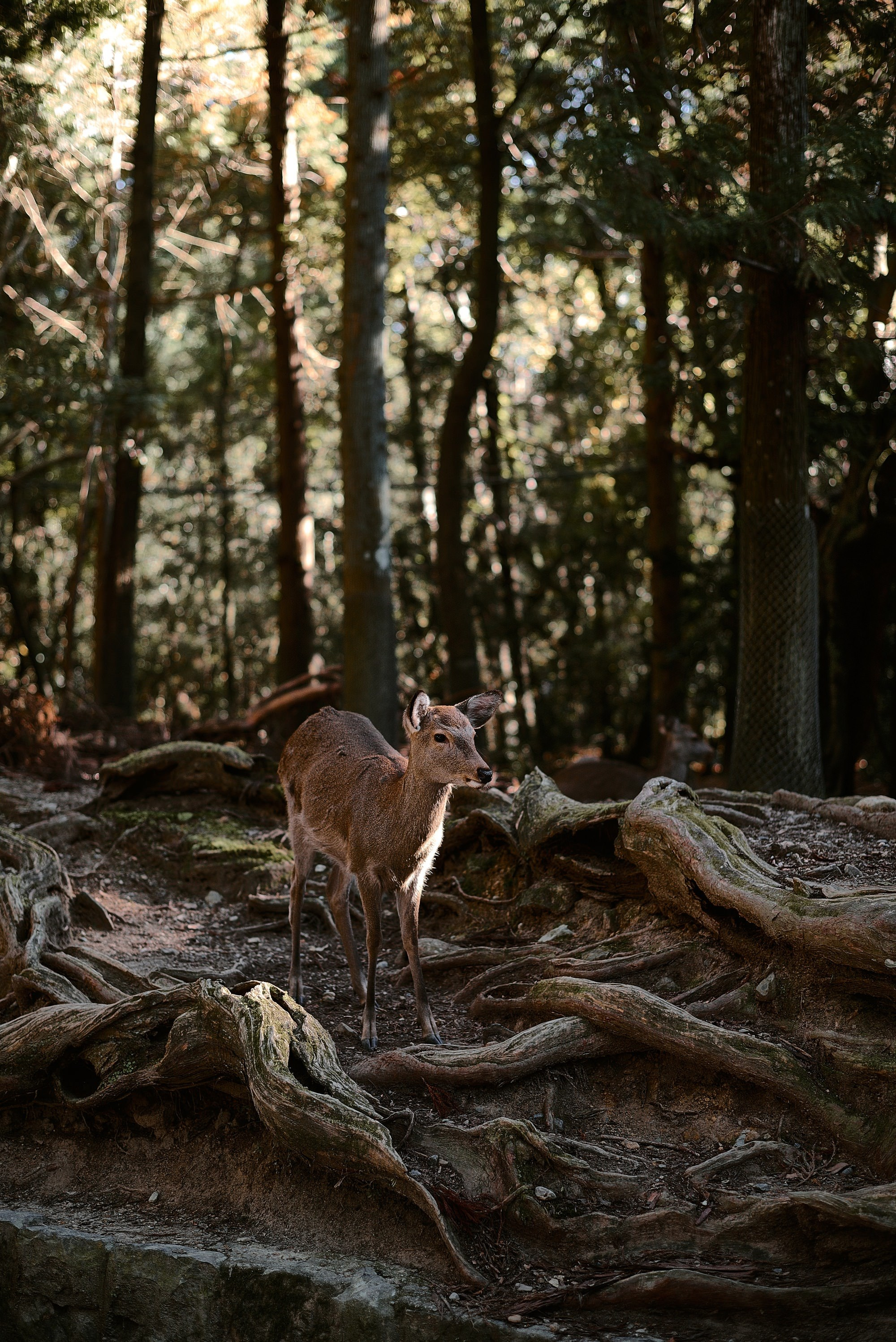
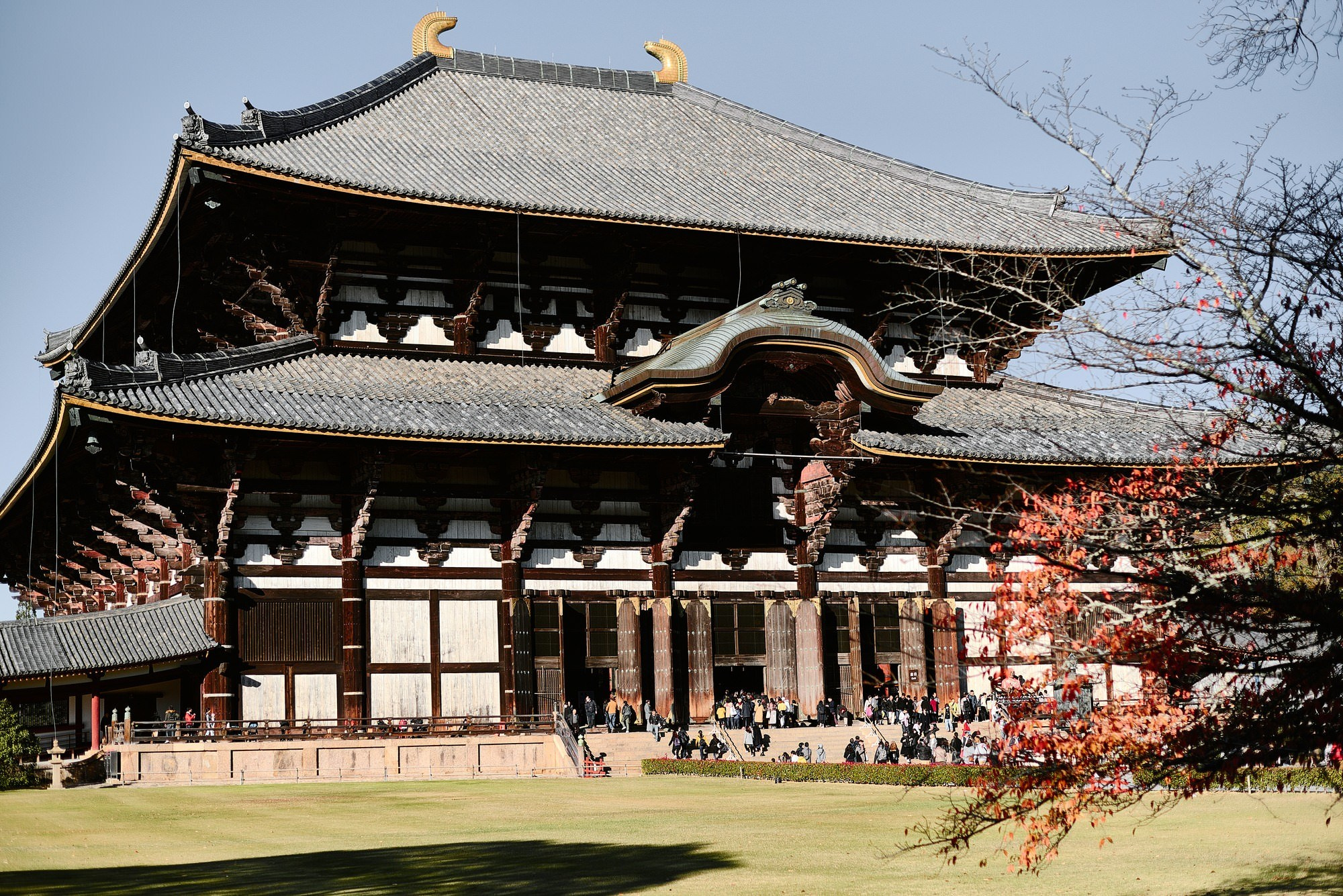
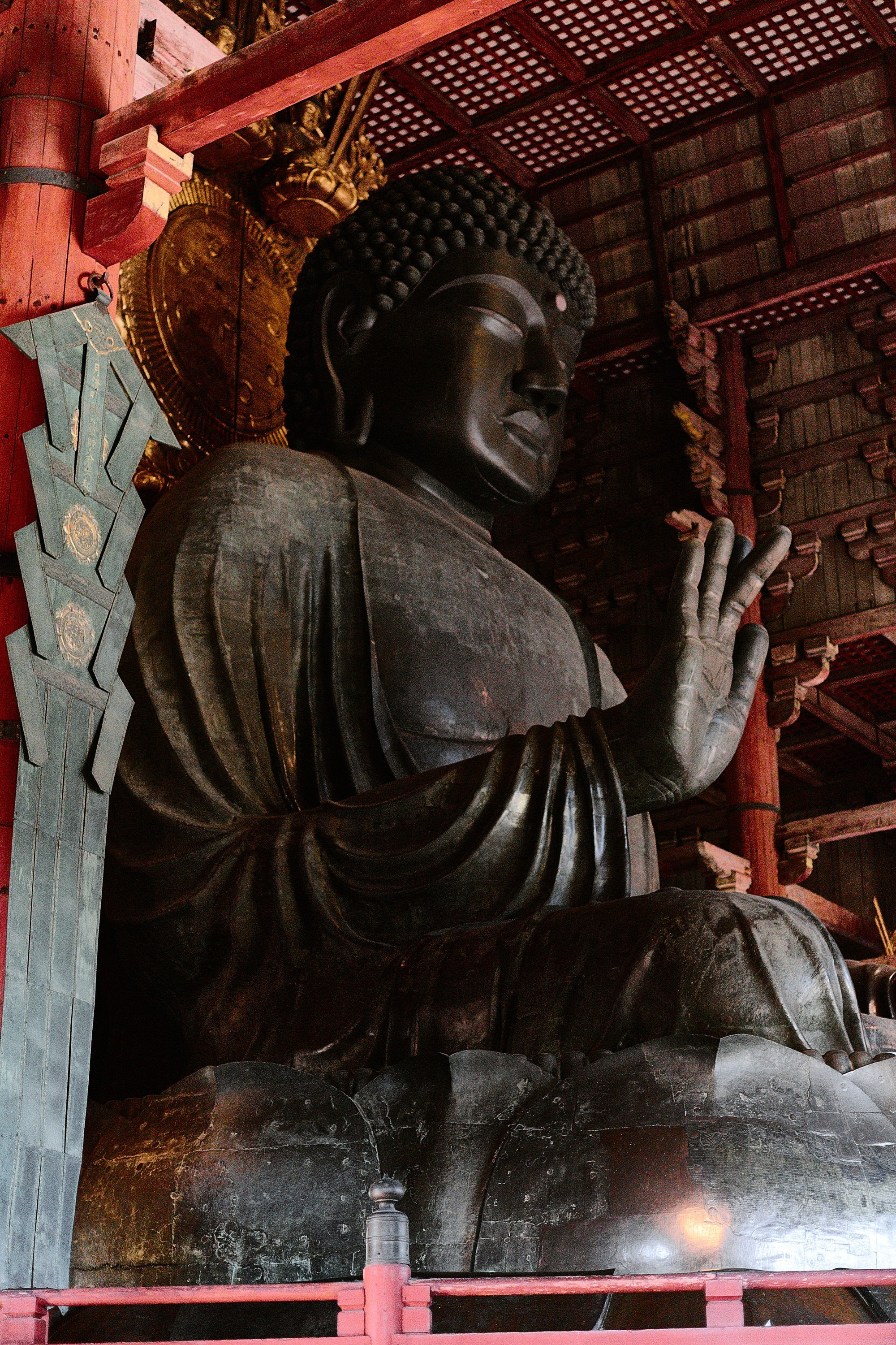
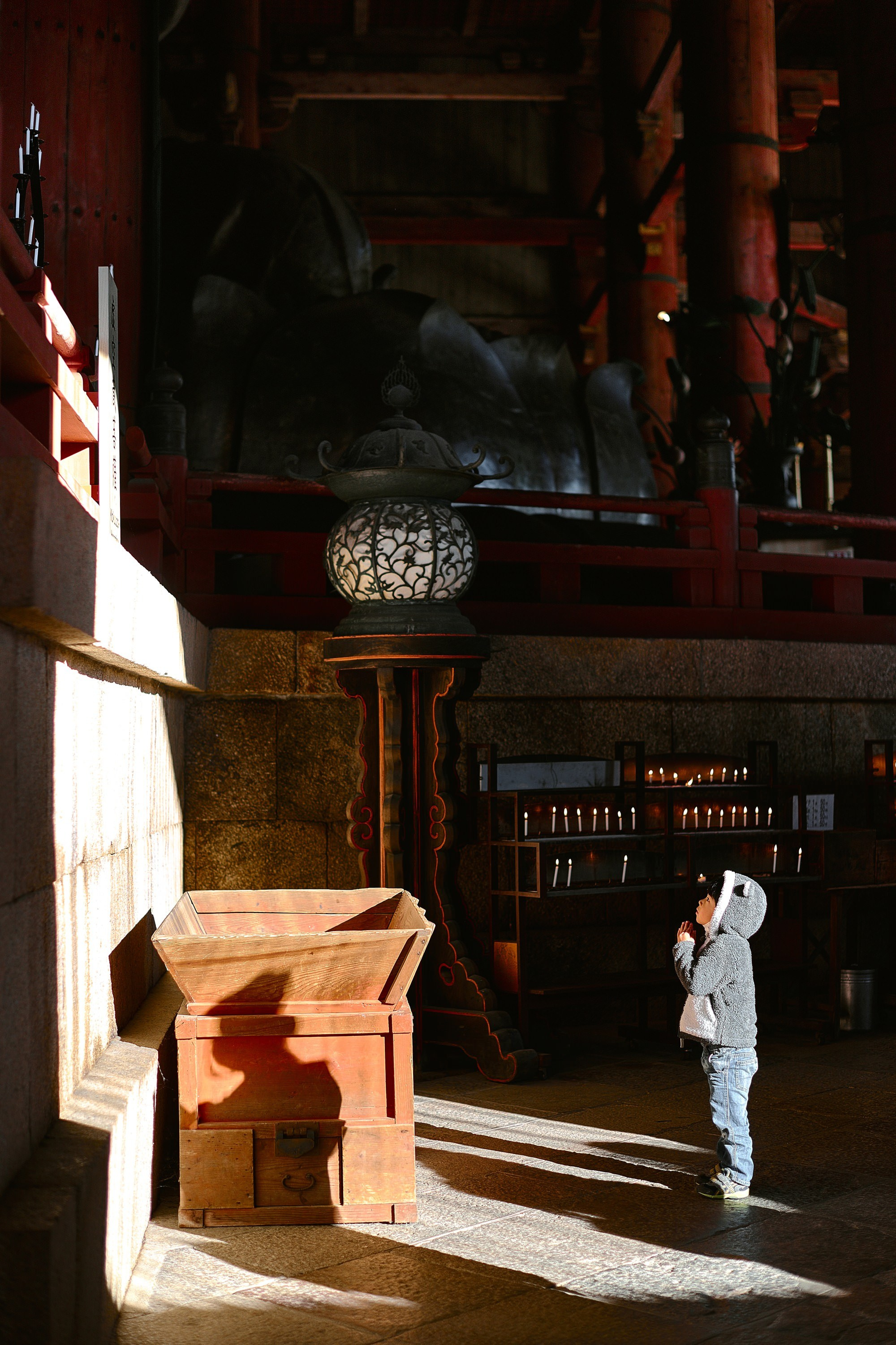
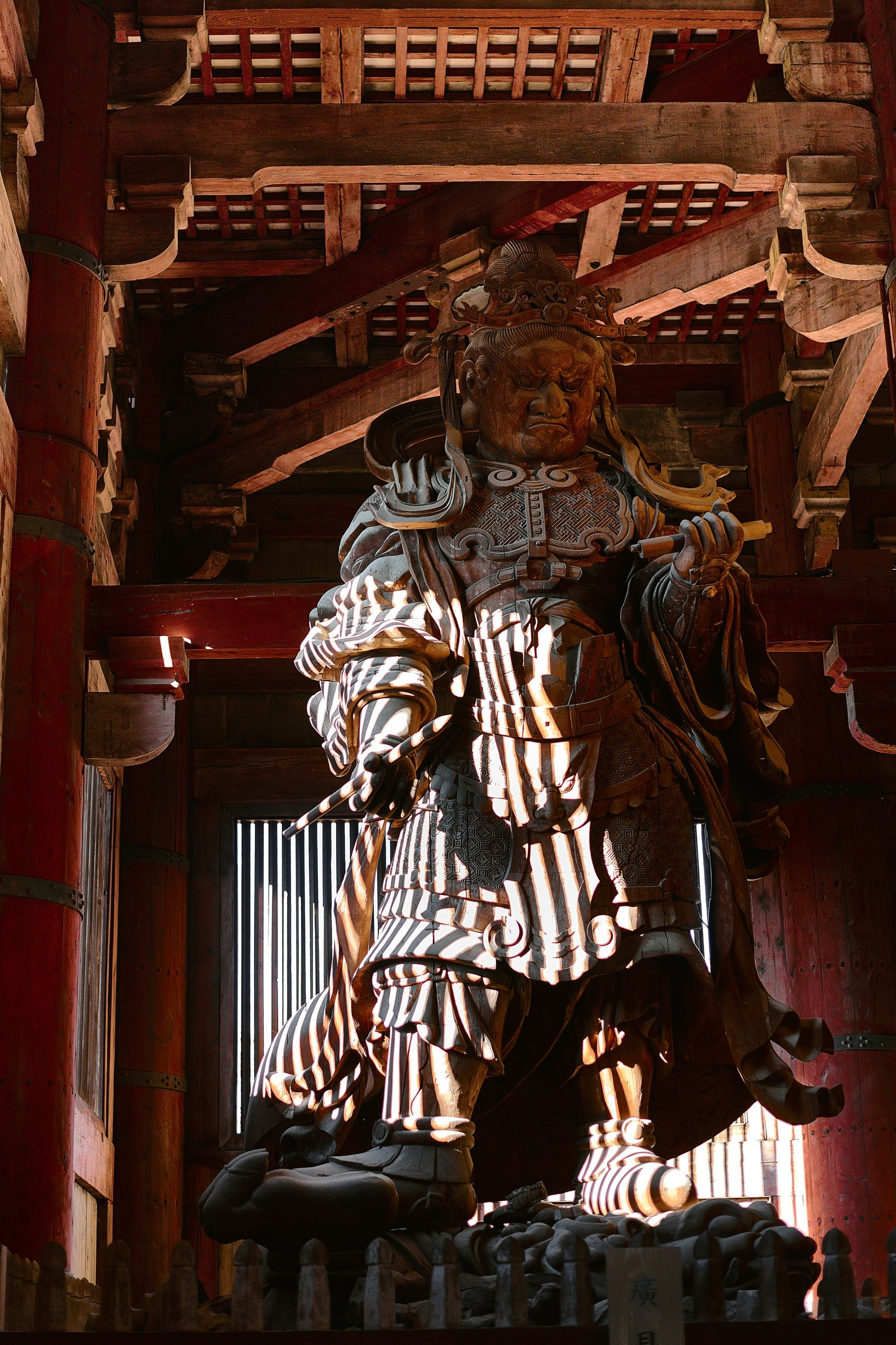
Nara moves at a different pace than Kyoto. The deer roam freely through the park and between the temple grounds, unbothered and unhurried. Tōdai-ji, Japan’s largest Buddhist temple and home to a bronze Buddha fifteen meters tall, sits at the heart of it all with quiet authority. There is something to learn here about hospitality itself: the most memorable experiences are rarely the loudest ones. They are the ones that create space. Space to slow down, to notice, to feel genuinely welcomed.
For brands in the hospitality industry, hotels, resorts, restaurants, wellness retreats, this is the image that resonates: not the perfectly staged scene, but the authentic moment of stillness that makes a guest feel they have arrived somewhere worth being.
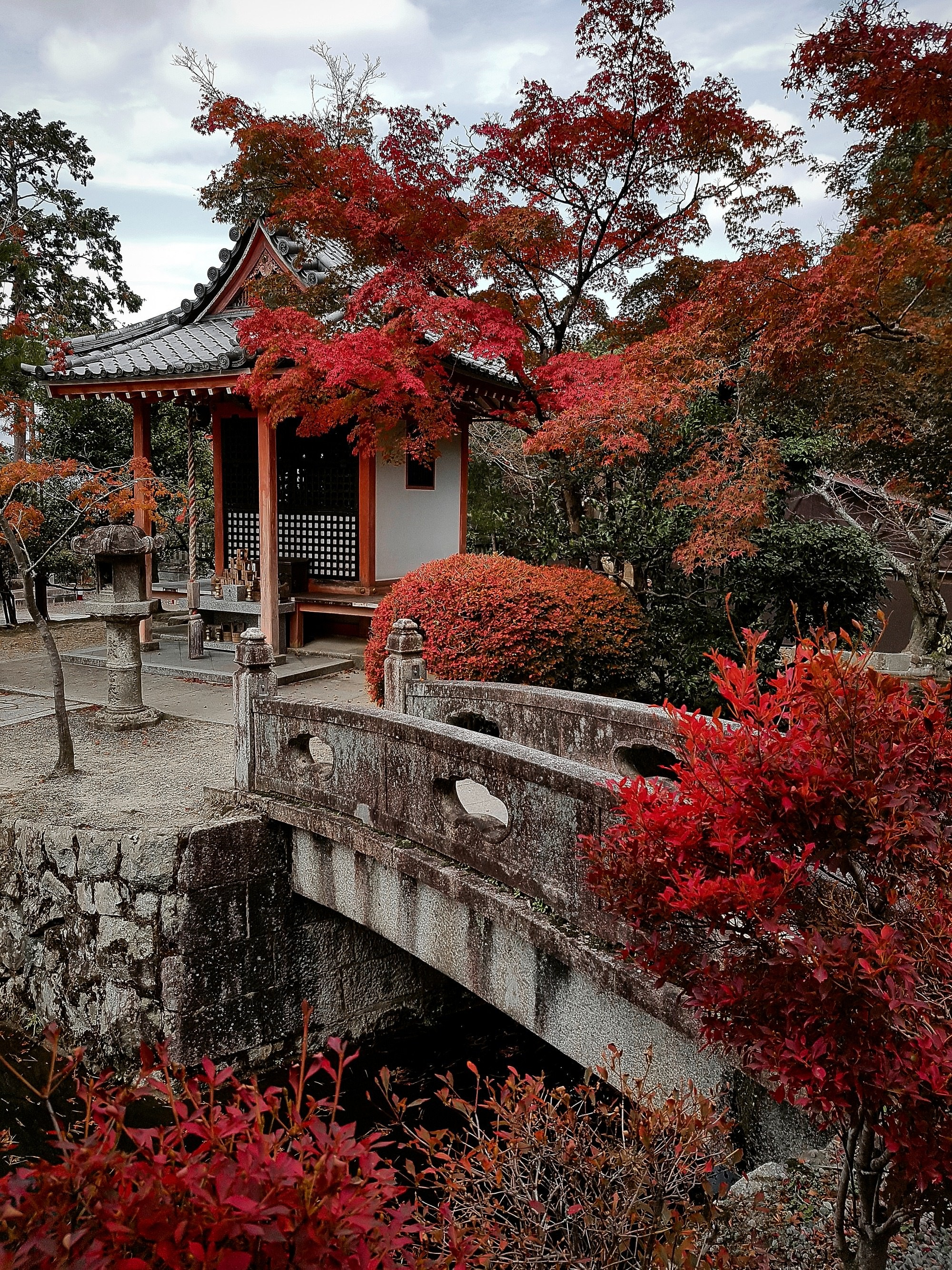
These images were captured during autumn koyo season. If you are a hospitality brand looking for photography that captures atmosphere, detail and the feeling of a place — not just its appearance — get in touch.